Sapphire FUE
en Maxim Hair Restoration
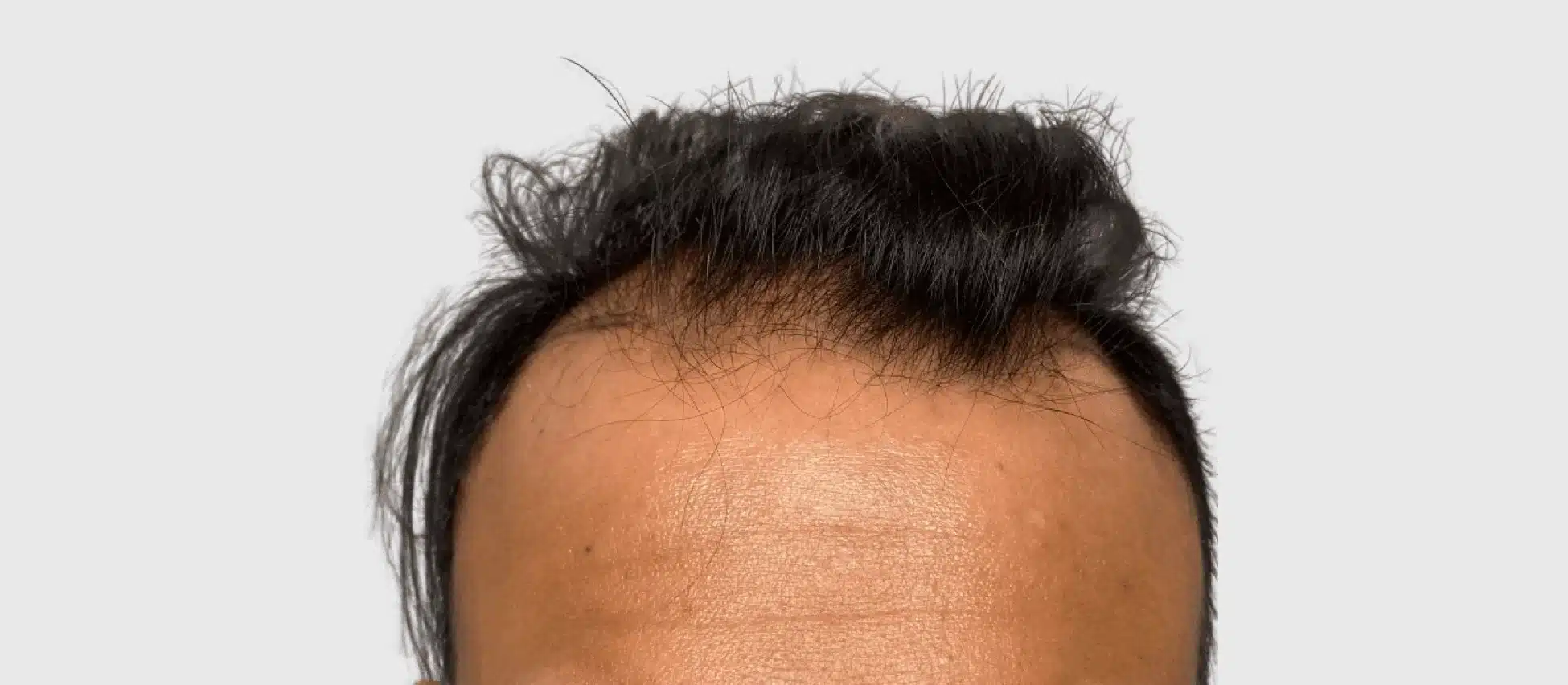
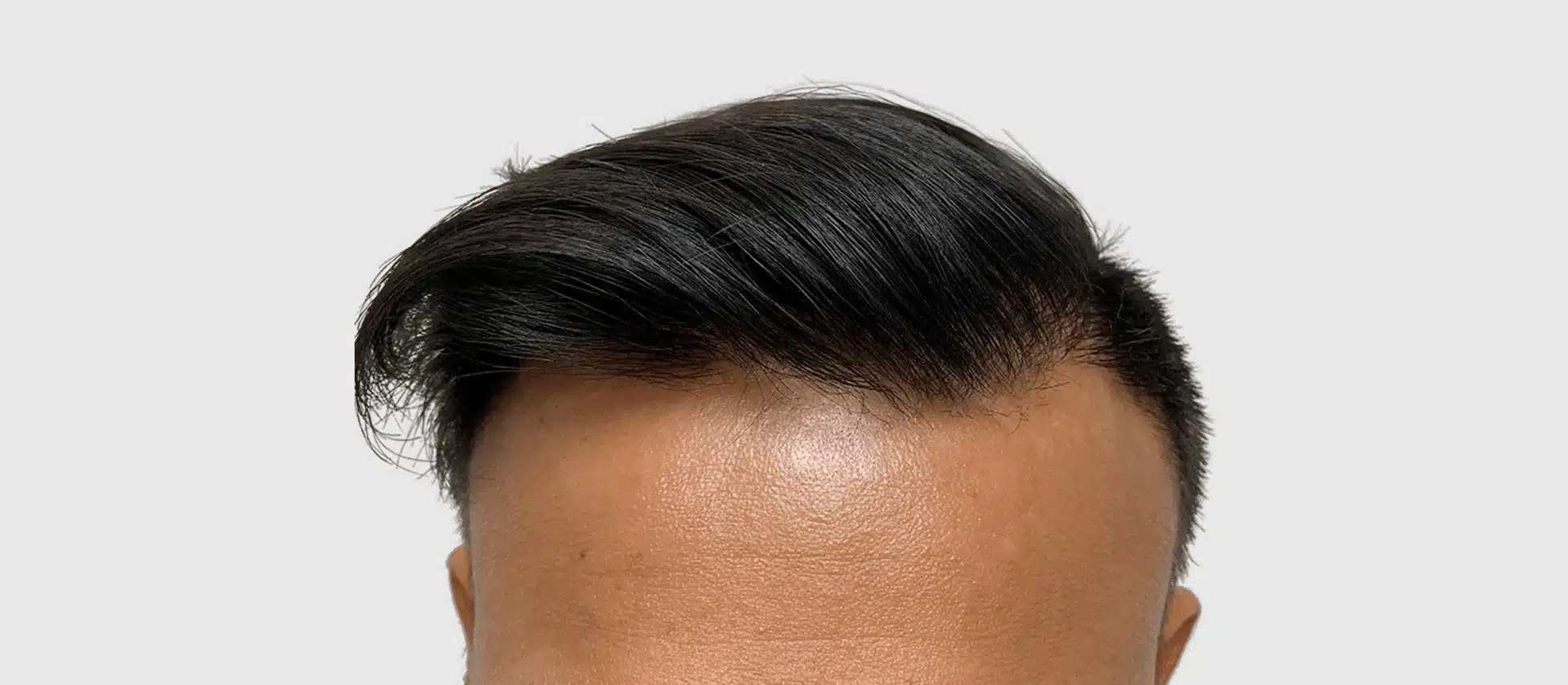
¿Qué es un trasplante capilar FUE zafiro?
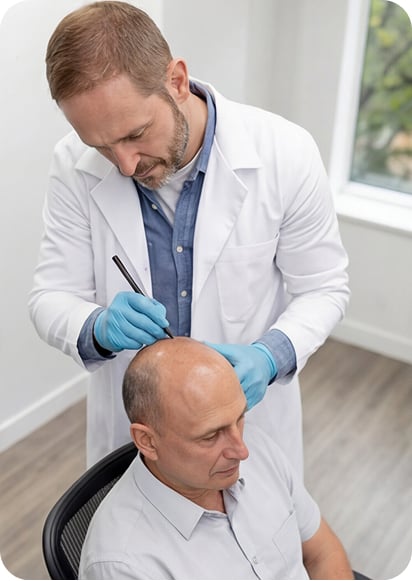
Un trasplante capilar FUE con zafiro es un procedimiento mínimamente invasivo en el que las unidades foliculares individuales se extraen de la zona donante y se trasplantan a las áreas con adelgazamiento o calvicie. Lo que lo hace “de zafiro” no es la forma en que se extraen los injertos, sino el tipo de cuchilla utilizada para crear los sitios receptores. En lugar de cuchillas de acero tradicionales, se utilizan cuchillas de zafiro —hechas de zafiro sintético de grado médico— para hacer las pequeñas aberturas donde se colocan los folículos.
Leer más
Tipos de FUE Zafiro que Ofrecemos
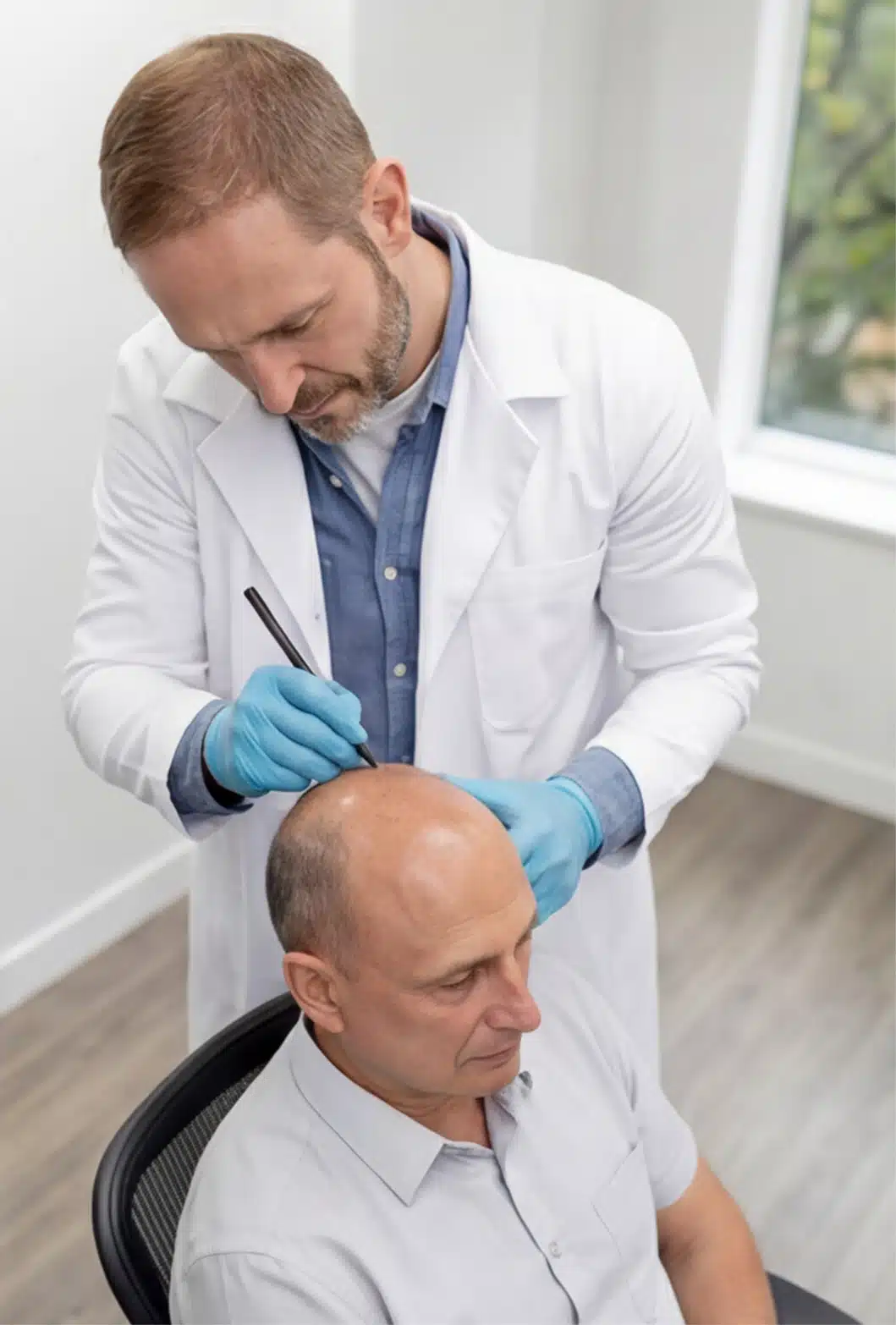
Cada cuero cabelludo y patrón capilar es diferente. En Maxim Hair Restoration, adaptamos la técnica FUE de zafiro para ajustarnos a tus objetivos, características capilares y plan a largo plazo.
¿Por qué elegir Maxim para el trasplante capilar FUE con zafiro?
El FUE de zafiro es tan bueno como el equipo que lo utiliza. En Maxim Hair Restoration, nuestro enfoque siempre está en obtener resultados de trasplante capilar seguros, naturales y duraderos.
Nuestros médicos y especialistas están capacitados en las técnicas modernas de FUE y con zafiro para diversas regiones y tipos de cabello. Saben cuándo es recomendable la técnica FUE con zafiro y cuándo las herramientas tradicionales pueden ser igual de efectivas.
Las cuchillas de zafiro pueden ayudar a realizar incisiones uniformes, pero la manipulación del injerto, su hidratación y la técnica de colocación son igualmente importantes. Nuestro equipo sigue protocolos estrictos para proteger cada folículo, desde la extracción hasta la implantación.
Nuestra galería
Resultados comprobados respaldados por la experiencia y la pericia
Ventajas del método Sapphire FUE

Creación de sitios web optimizada
Los bordes afilados de las hojas de zafiro pueden crear incisiones muy limpias y estrechas. Esto puede ayudar a lograr un resultado más pulido, Leer más

Potencial para una mayor densidad
Dado que las cuchillas de zafiro pueden fabricarse en tamaños muy pequeños, es posible que permitan colocar los sitios más cerca entre sí Leer más

Incisiones suaves y consistentes
Las cuchillas de zafiro suelen producir cortes uniformes. Una profundidad y una forma constantes pueden ser útiles para controlar cómo Leer más

Mínimamente invasivo con la técnica FUE
La técnica Sapphire FUE conserva todas las ventajas típicas de la FUE: no deja una cicatriz lineal larga, solo pequeñas cicatrices puntiformes en la zona donante y la Leer más

Compatibilidad con múltiples tipos de cabello
Cuando se combinan con sistemas adecuados de extracción FUE, las cuchillas de zafiro pueden utilizarse para una variedad de tratamientos capilares Leer más
Tecnologías FUE Zafiro

Cuchillas de zafiro sintético
Utilizamos cuchillas de zafiro sintético de alta calidad, no piedras preciosas naturales. Esto garantiza una dureza constante. Leer más

Creación de sitios de microcanales
Las herramientas de zafiro pueden crear “microcanales” estrechos que se adaptan al tamaño de sus injertos. Leer más

Combinado con sistemas FUE modernos
Las cuchillas de zafiro se utilizan junto con sistemas avanzados de extracción FUE. Si bien la cuchilla de zafiro Leer más

Rotación de múltiples hojas para mayor filo
Hasta las hojas de zafiro pierden el filo con el uso repetido. Nuestros equipos rotan las hojas con frecuencia durante la cirugía para mantener Leer más
Nuestros médicos y clínicos especialistas en FUE de zafiro
El método FUE de zafiro requiere el mismo nivel de precisión y buen juicio que cualquier método avanzado de trasplante capilar. En Maxim Hair Restoration, su procedimiento es realizado por médicos y clínicos con experiencia en FUE, FUT y creación de sitios con zafiro. Ellos comprenden que el material de la hoja es solo una parte de un panorama mucho más amplio.
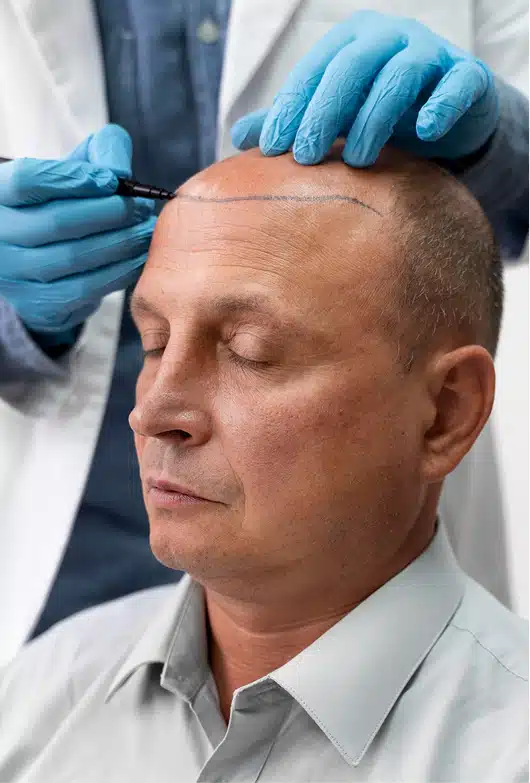
Su médico diseña la línea capilar, planifica el uso de la zona donante, selecciona las herramientas adecuadas y administra la anestesia y el control de la profundidad.
Clóvenes calificados colaboran en la extracción, preparación y colocación de los injertos bajo supervisión médica directa. Este modelo basado en equipos y dirigido por médicos mantiene la calidad y la seguridad en el centro de cada caso.
Preparación para su viaje de FUE con zafiro
Una buena preparación conduce a procedimientos más fluidos y mejores resultados. Lo guiamos a través de cada paso antes de su trasplante capilar FUE con zafiro.

Consulta Primero
Revisamos tus objetivos, evaluamos tu reserva de donantes y analizamos tu patrón de pérdida de cabello, Leer más

Instrucciones antes del procedimiento
Es posible que se le pida que evite ciertos medicamentos, suplementos, alcohol y Leer más

Preparación para cabello y cuero cabelludo
En muchos casos, recomendamos recortar la zona donante y a veces la Leer más

Salud y laboratorios
Dependiendo de la edad, las afecciones médicas o los medicamentos, es posible que necesite medicamentos básicos Leer más

Plan de recuperación
Organice el transporte a casa el día de la cirugía y reserve unos días de Leer más
Detalles y duración del procedimiento
Un poco de preparación ayuda mucho a garantizar el éxito

El día de su procedimiento de FUE zafiro, el equipo lo recibe y se repite su plan una vez más. Se administra anestesia local para adormecer tanto la zona donante como la receptora. Una vez que esté cómodo, se extraen los folículos utilizando herramientas FUE que retiran unidades foliculares individuales de la región donante.

Durante o después de la extracción, el cirujano utiliza cuchillas de zafiro para crear microcanales en el área receptora basándose en el plan de línea capilar y densidad. Estas incisiones se realizan en ángulos, profundidades y direcciones específicos para que, al colocar los injertos, el cabello crezca con un patrón natural.
Luego, los injertos se insertan cuidadosamente en estos sitios creados con zafiro. Dependiendo del tamaño de la sesión y del número de injertos, todo el proceso puede tomar de 6 a 8 horas o más. Por lo general, puede ver películas, escuchar música o descansar durante el procedimiento. Se ofrecen descansos breves según sea necesario.
Recuperación y qué esperar a continuación
Un poco de preparación ayuda mucho a garantizar el éxito

Recuperación inmediata
Es posible que experimente una leve molestia, tirantez o enrojecimiento tanto en la zona donante como Leer más
Resultado final
Los resultados completos de un trasplante FUE de zafiro suelen ser visibles alrededor de los 12 meses, con Leer más
Fase de desprendimiento
Los cabellos transplantados suelen caerse durante las primeras semanas. Esto es normal Leer más
Nuevo crecimiento
Fresh hair usually begins to appear around months three to four. The new Leer más
Visible Results
Between six and nine months, most patients see clear improvements in density, Leer más
What Can Go Wrong With a Hair Transplant?
Any hair transplant, including sapphire FUE, carries certain risks if not done correctly. Understanding these issues helps set realistic expectations.
Over-Promising the Sapphire Tool
Some clinics oversell sapphire blades as a miracle solution. The reality is that design, donor management, and technique matter far more. Misplaced trust in marketing rather than skill can lead to disappointment.
How We Prevent It
We measure donor density, map the extraction pattern, and plan graft counts responsibly to protect long-term donor health.
Unnatural Hairline or Density
If hairlines are drawn too low or grafts are packed without a natural pattern, results can look artificial. Even with sapphire blades, poor planning leads to poor aesthetics.
How We Prevent It
We measure donor density, map the extraction pattern, and plan graft counts responsibly to protect long-term donor health.
Inconsistent Depth or Angle
Depth control and direction still depend on the surgeon’s hand. If grafts are placed too deep, too shallow, or at the wrong angle, they may fail to grow naturally or may look misaligned.
How We Prevent It
We measure donor density, map the extraction pattern, and plan graft counts responsibly to protect long-term donor health.
Overharvesting the Donor Area
Taking too many follicles from the donor zone can cause visible thinning. This risk exists in any FUE procedure, sapphire or not, and must be managed with careful planning.
How We Prevent It
We measure donor density, map the extraction pattern, and plan graft counts responsibly to protect long-term donor health.
Visible Scarring or Patchiness
While FUE avoids a long linear scar, poor technique can still leave visible dots or uneven density. Careful tool selection and harvest patterns reduce this risk.
How We Prevent It
We measure donor density, map the extraction pattern, and plan graft counts responsibly to protect long-term donor health.
Infection or Prolonged Inflammation
If aftercare is ignored or sterility protocols are not followed, infection or ongoing inflammation can occur. Reputable clinics minimize this risk with strict standards and clear instructions.
How We Prevent It
We measure donor density, map the extraction pattern, and plan graft counts responsibly to protect long-term donor health.
Mismatched Expectations
If patients are led to believe that “sapphire” alone guarantees superior results, they may be disappointed even when the outcome is good. Honest consultation helps align expectations with what the procedure can realistically deliver.
How We Prevent It
We measure donor density, map the extraction pattern, and plan graft counts responsibly to protect long-term donor health.
Preguntas frecuentes
Información útil para guiar sus decisiones sobre la restauración capilar.

Blogs
Perspectivas, guías y novedades del mundo de la restauración capilar.