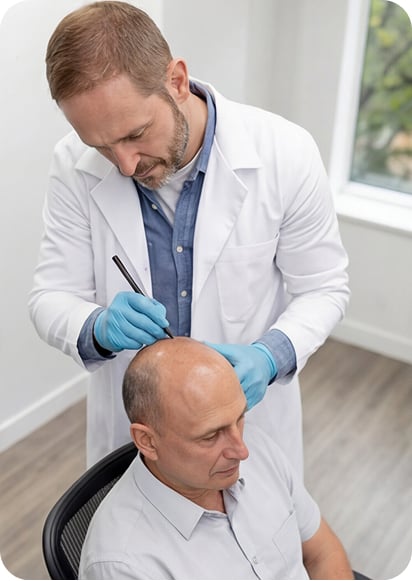
Beard Transplant
at Maxim Hair Restoration
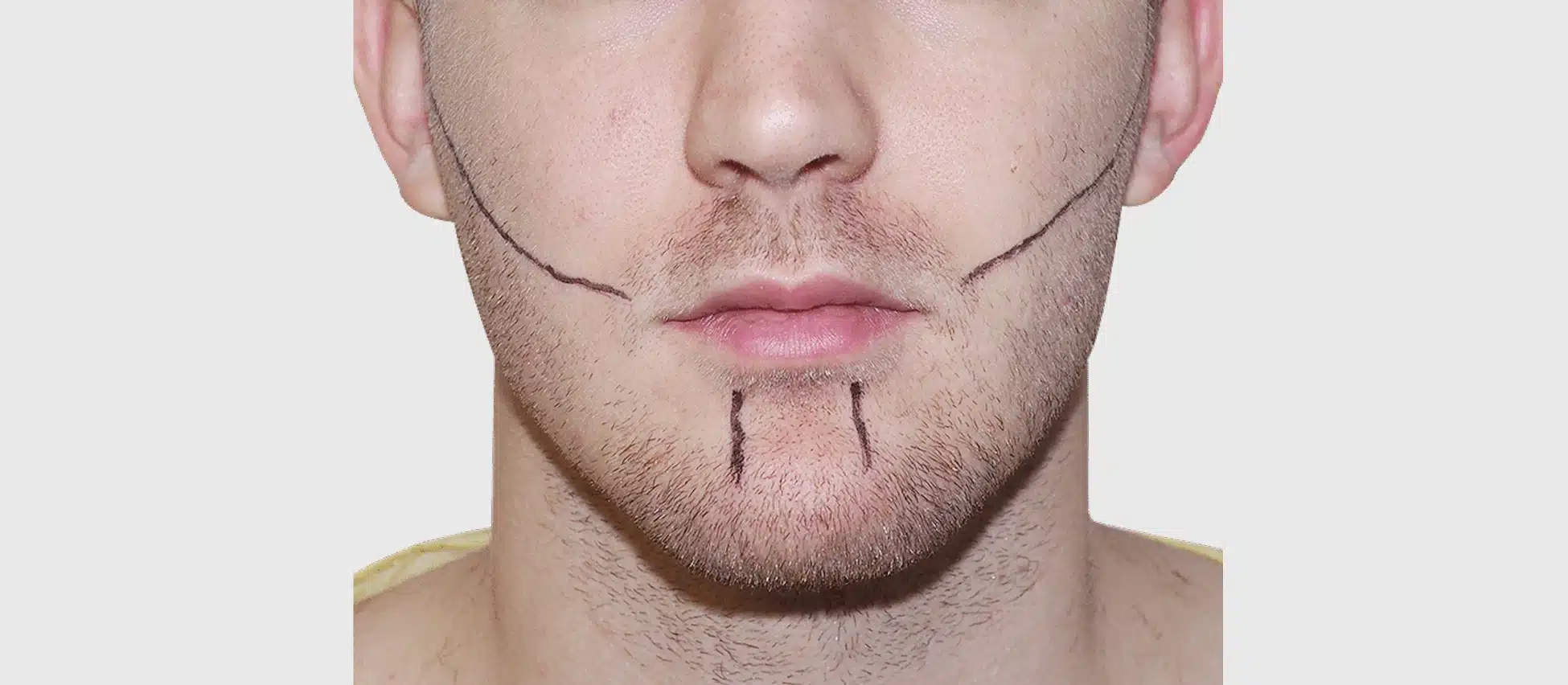
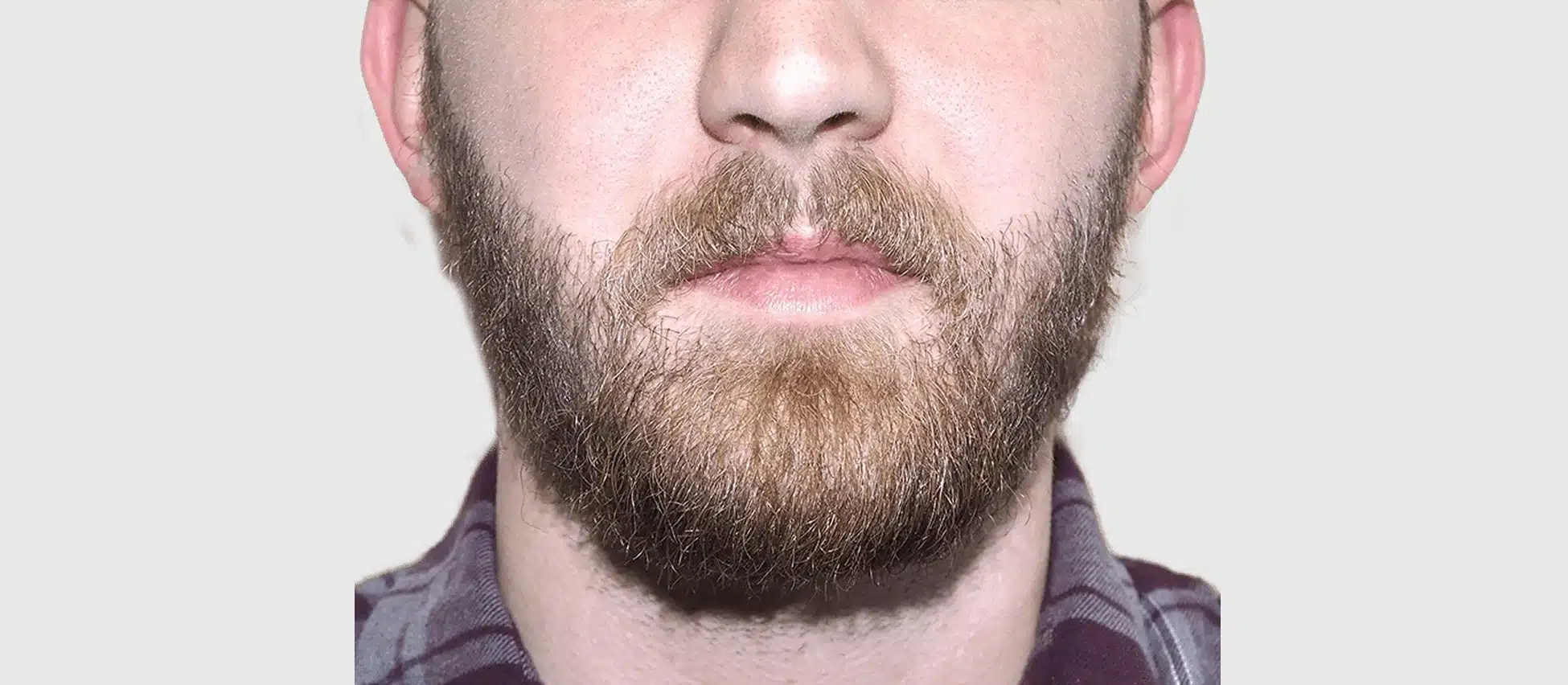
What Is a Beard Transplant?
A full, well-shaped beard has become a symbol of style, maturity, and confidence. Yet not everyone is born with even facial hair growth. Some men struggle with patchy beards, thin mustaches, missing sideburns, or facial hair that never quite connects. Others have scars, previous procedures, or genetic patterns that prevent them from growing the beard they want.
Read More
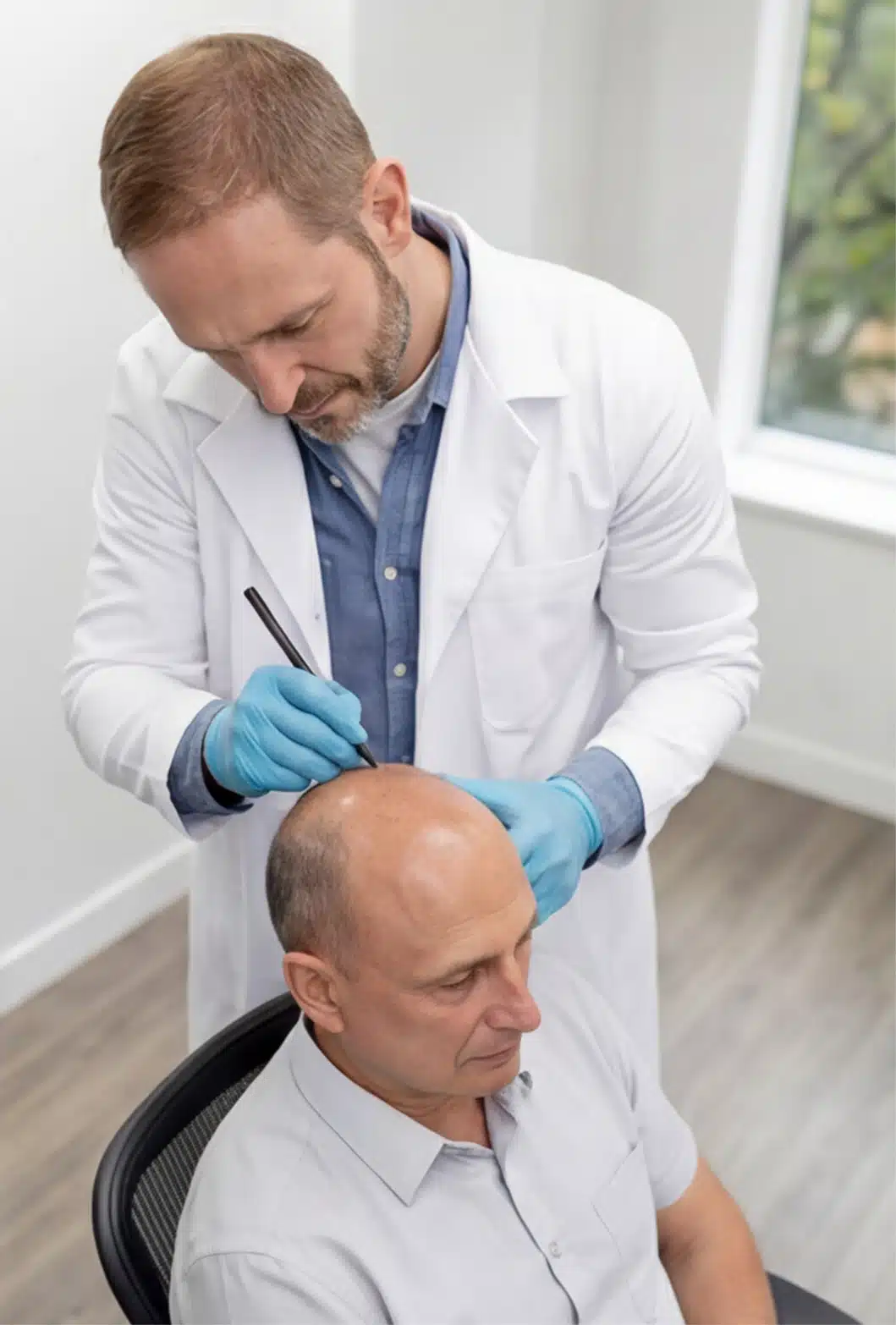
Types of Beard Transplant We Offer
Every face is different, and every beard goal is unique. At maxim, we offer several approaches to beard transplantation so your treatment can be tailored to your needs, hair type, and facial structure.
Why Choose maxim for Beard Transplant
Selecting the right team for your beard transplant is just as important as the procedure itself. At maxim hair restoration, we combine medical expertise, artistic planning, and advanced technology to create long-lasting facial hair that looks like it has always belonged to you.
Our doctors and clinicians regularly perform beard and facial hair transplants, not just scalp procedures. They understand how facial hair should sit on the face, how it changes your profile, and how to avoid harsh or unnatural lines.
maxim clinicians are skilled in both FUE and FUT techniques and understand when each is appropriate based on your donor supply, hair characteristics, and coverage goals. This flexibility allows us to design the strongest plan for your long-term results.
Our Gallery
Proven outcomes backed by experience and expertise
Advantages of Beard Transplant

Permanent, Real Facial Hair
The transplanted follicles are your own living hair. Once they fully heal and begin growing, they are Read More

Natural Look and Feel
Because your own hair is used, the texture and appearance of the new beard blend seamlessly with Read More

Customizable Shape and Coverage
You are not limited to a single style. Your beard transplant can be tailored to match your ideal Read More

Boost in Confidence and Style Options
A fuller beard can change how you see yourself and how you present to the world. It opens the door Read More
Beard Transplant Technologies

Refined FUE Systems for Facial Hair
Micro-punch devices are used to gently harvest individual hair follicles from the donor area with minimal trauma. Read More

Microscopic Graft Preparation
Grafts are examined and refined under magnification so that single-hair and double-hair units can be placed Read More

Precision Incision Tools for Face-Specific Angles
Very small blades or needles create the tiny sites where each graft is placed. The angle and direction of each Read More

Supportive Regenerative Therapies
In select cases, complementary treatments such as ACP or cellular micrografting may be Read More
Our Specialized Beard Transplant Doctors & Clinicians
Beard transplantation requires a different eye and skill set than scalp-only procedures. At maxim hair restoration, your beard transplant is planned and performed by doctors and clinicians who focus on hair restoration as a core specialty. They understand how facial hair interacts Read More
During your consultation, your clinician will review your health history, examine your donor and facial hair patterns, and discuss what is realistic based on your goals and hair characteristics.
Read More
Preparing for Your Beard Transplant Journey
Good preparation makes your beard transplant smoother and supports better outcomes.

Start With a Consultation
You will sit down with a beard transplant specialist to discuss your Read More

Medication and Lifestyle Adjustments
You may be asked to avoid alcohol, smoking, blood thinners, Read More

Health and Clearance
Clients with a history of heart disease, hypertension, or other Read More

Rest, Food, and Logistics
Get a good night’s sleep before your procedure. Eat a light breakfast on the morning of your appointment Read More

Pre and Post-Op Instructions
You will receive written guidance outlining what to avoid, how to wash the areas, what to expect after surgery, and Read More
Procedure Details & Duration
A little preparation goes a long way in ensuring success

Beard transplants are performed as outpatient procedures in a comfortable clinic setting. After arrival, your beard design is reviewed and marked on your face. Local anesthesia is applied Read More

Grafts are placed one by one into these sites, gradually building your new beard line, filling patches, and adding density where needed. The full process commonly takes several hours, Read More
Recovery & What to Expect Next
A little preparation goes a long way in ensuring success

First Few Days
Right after your beard transplant, you can expect mild swelling, redness, and Read More
Early Healing Phase
Within a week or so, scabs begin to fall off and swelling decreases. Read More
Shedding Phase
In the first few weeks, many of the transplanted hairs will shed as part of Read More
New Growth and Density
New beard growth typically starts to become visible around three to Read More
Final Result
Full maturation of the beard often occurs between 12 and 18 months Read More
Frequently Asked Questions
Helpful information to guide your hair restoration decisions.