Facial Hair Transplant
at maxim hair restoration
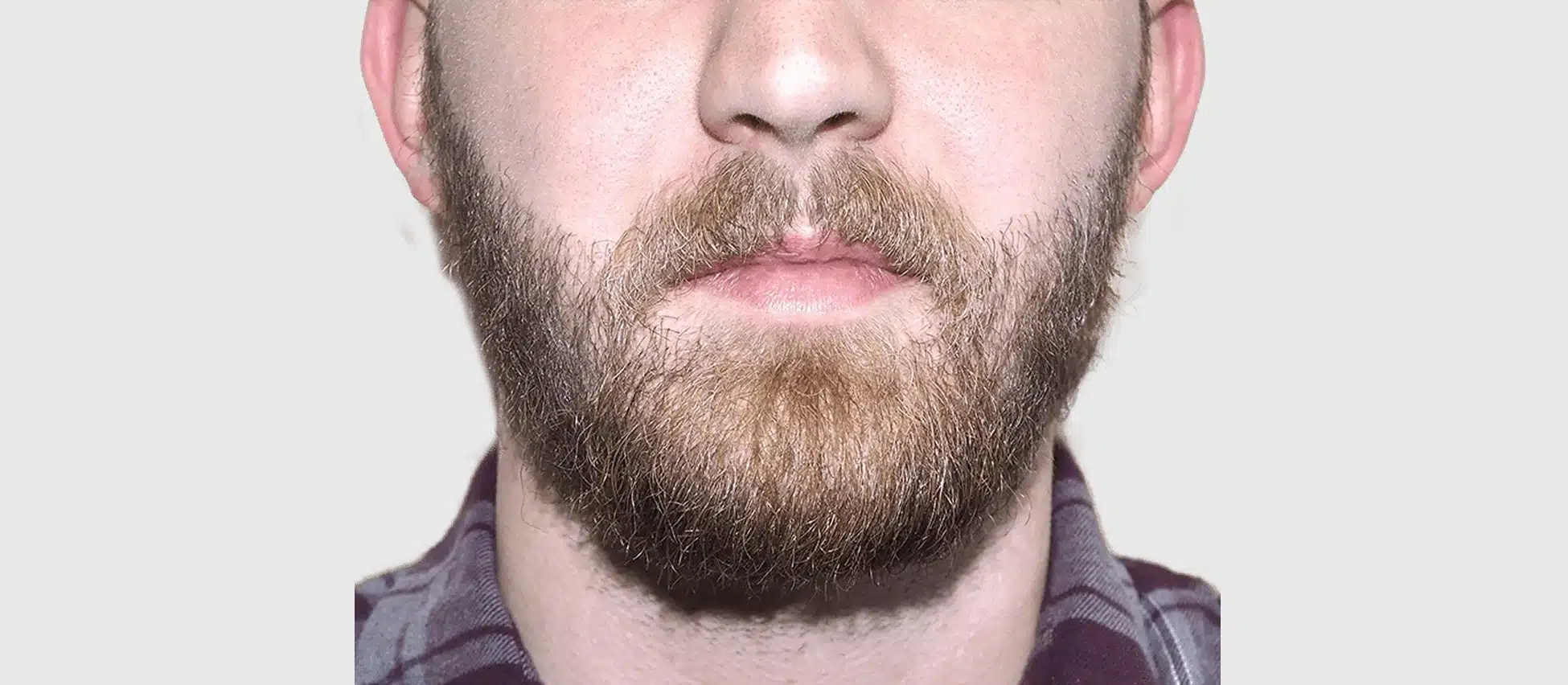
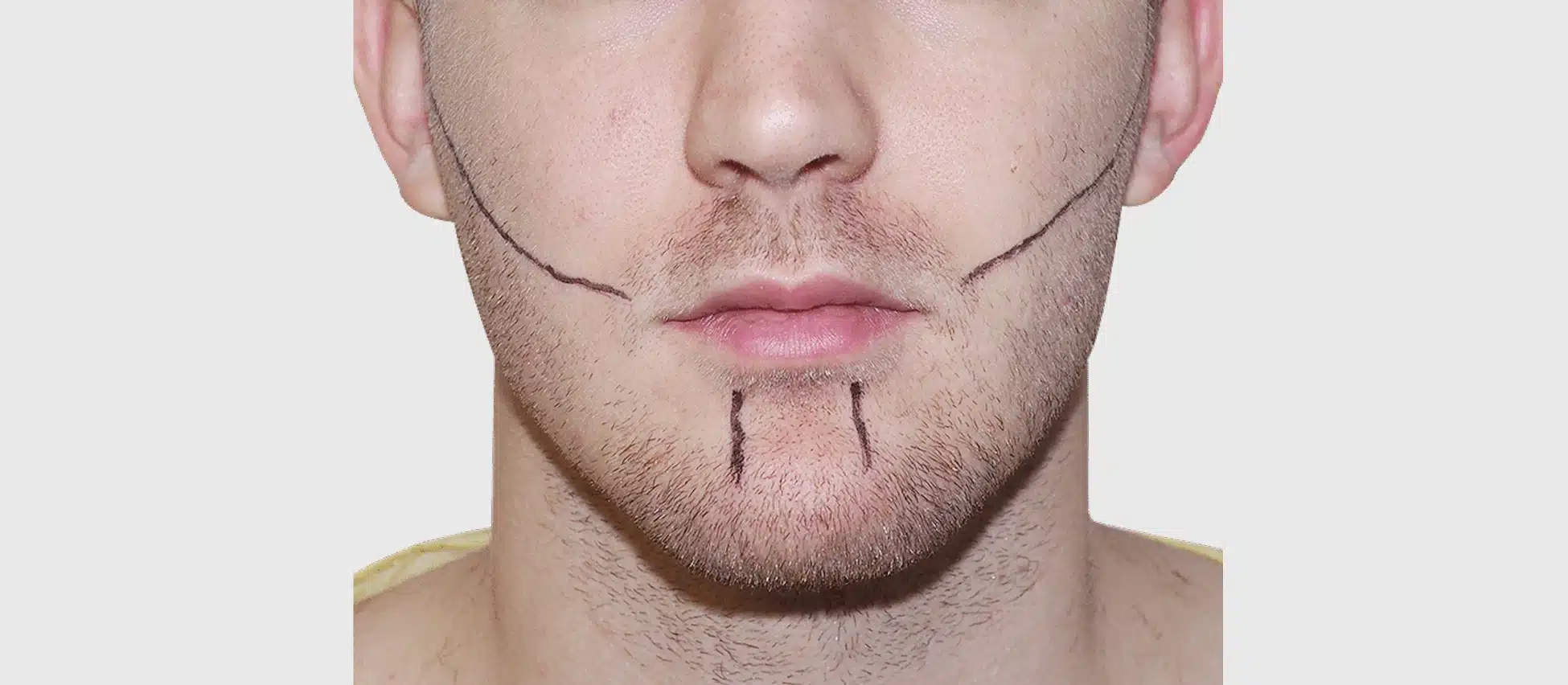
What Is a Facial Hair Transplant?
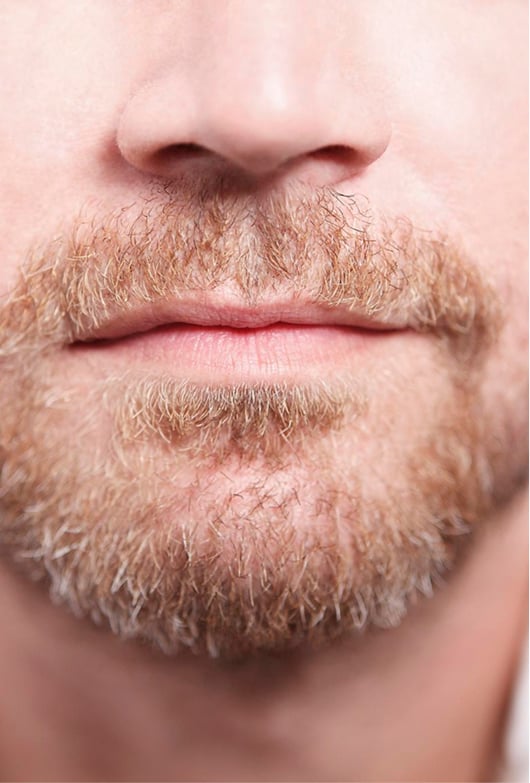
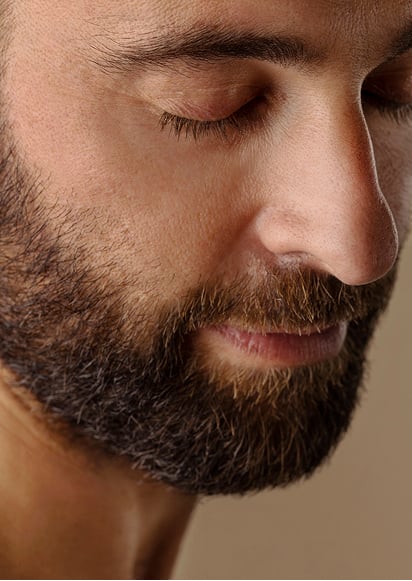
A facial hair transplant is a procedure in which healthy hair follicles are taken from a donor area—usually the back or sides of the scalp or sometimes the body—and transplanted into the face, including the beard, mustache, sideburns, cheeks, jawline, or eyebrows. The goal is to create fuller, more defined facial hair that complements your bone structure and personal style.
Read More
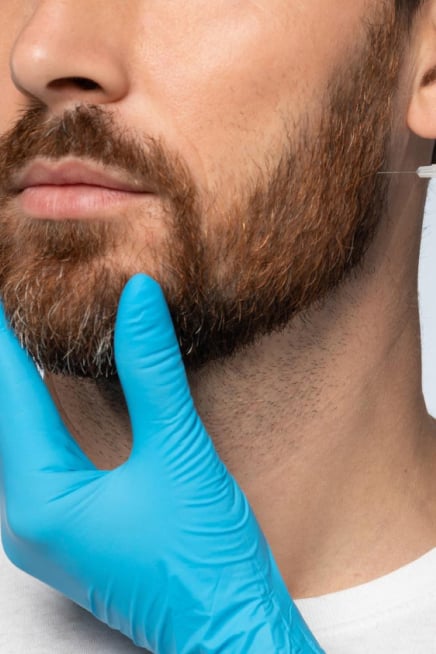
Types of Facial Hair Transplant We Offer
Every face is unique, and so is every facial hair pattern. At maxim hair restoration, we customize your treatment plan based on your goals, facial structure, and existing hair.
Why Choose maxim for Facial Hair Transplant
Facial hair restoration requires more than simple graft placement. It demands an understanding of facial anatomy, symmetry, and styling. Here is what sets maxim hair restoration apart:
Your procedure is led or overseen by doctors experienced in hair transplantation and facial aesthetics. Our teams draw from global hair restoration techniques to achieve natural outcomes across different face shapes, ethnicities, and hair types.
We use advanced FUE systems and fine tools to harvest and place follicles with minimal trauma. Facial placement focuses on angulation, curl, and density to ensure your new facial hair lies flat and grows in a natural direction.
Our Gallery
Proven outcomes backed by experience and expertise
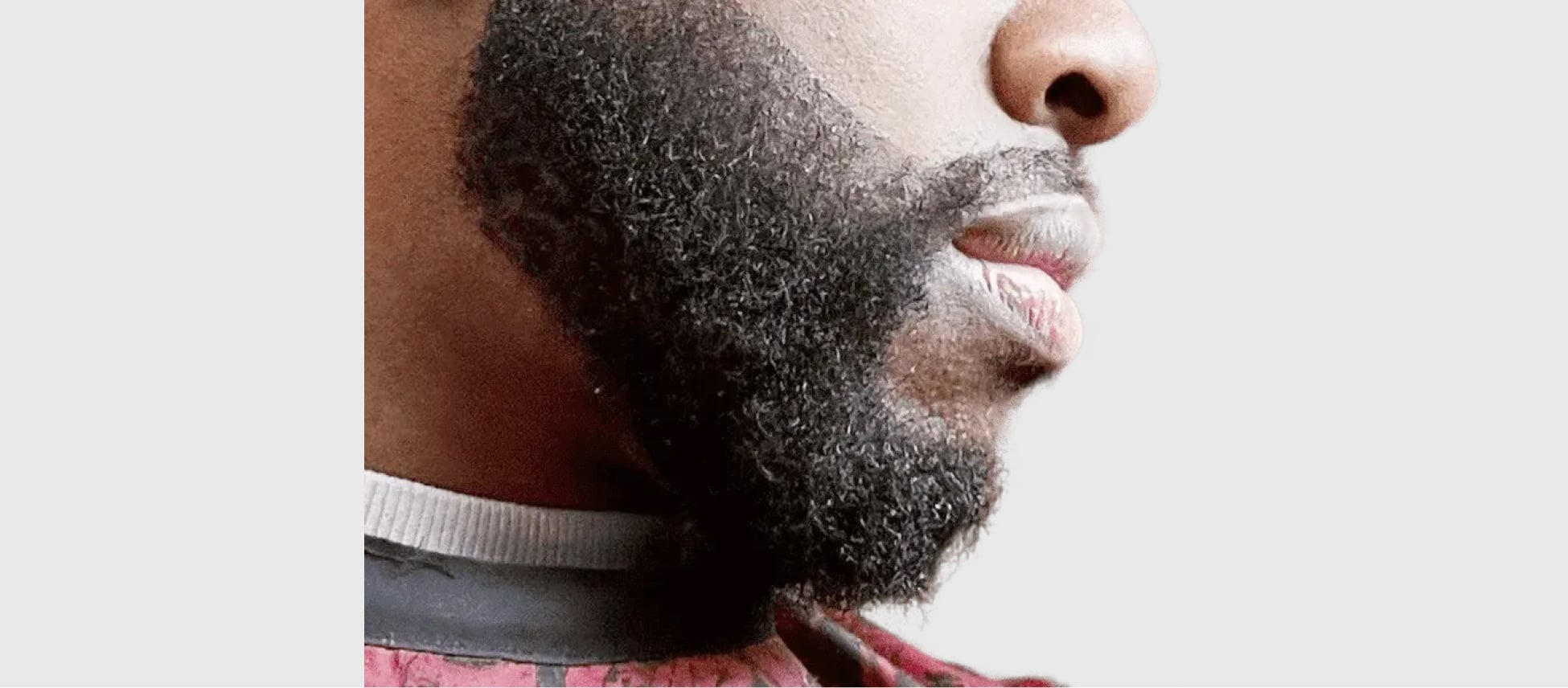
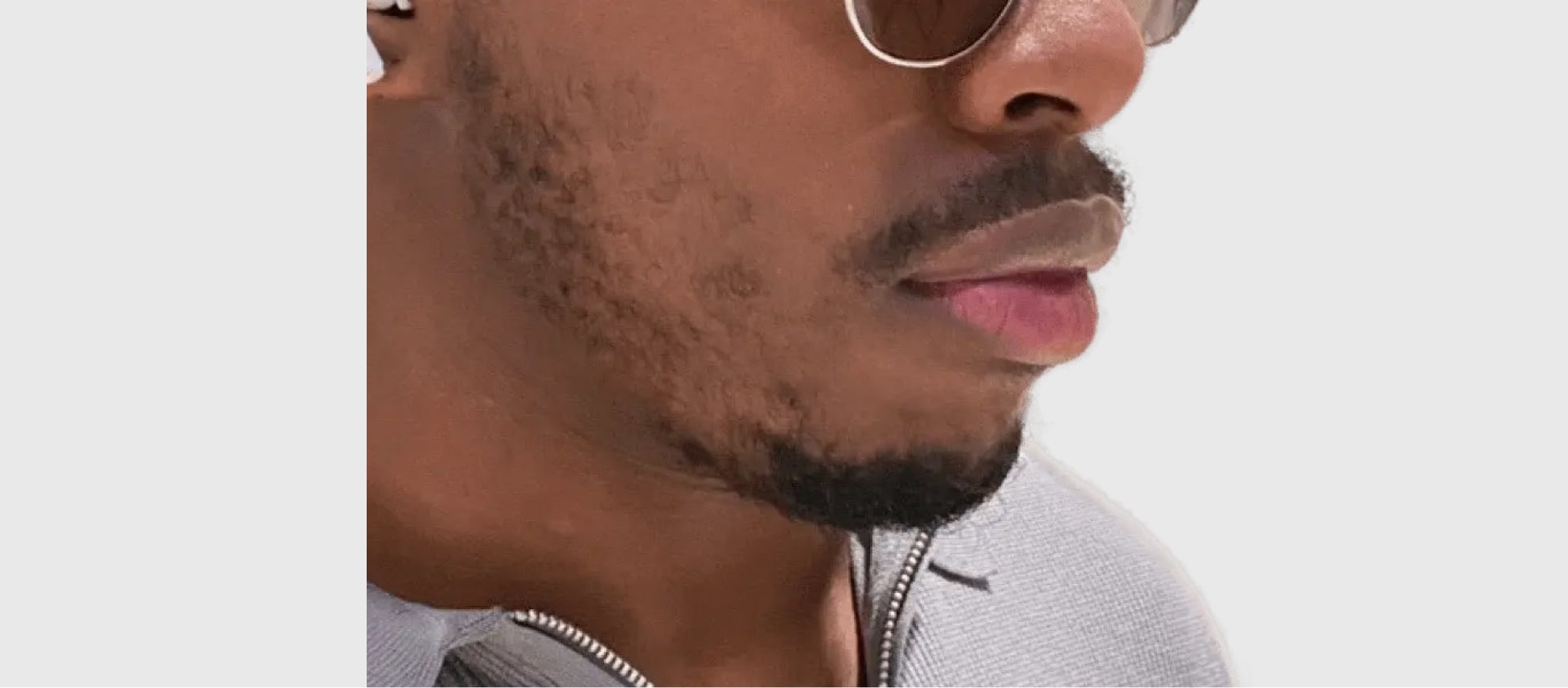
Advantages of Facial Hair Transplant

Natural and Permanent Results
The procedure uses your own hair follicles. Once transplanted, they grow permanently in their new location and Read More

No Linear Scar with FUE
When FUE is used as the harvesting method, there is no long, linear scar in the donor area. Instead, tiny dot scars are Read More

Fast Return to Daily Life
Most patients are able to resume light daily activities within a few days. Mild redness and small crusts fade, Read More

High-Density Possibilities
With careful donor planning, facial hair transplants can create significant density, especially in the cheeks, Read More

Minimal Discomfort
Local anesthesia and refined techniques help keep the procedure comfortable. Most patients describe the Read More
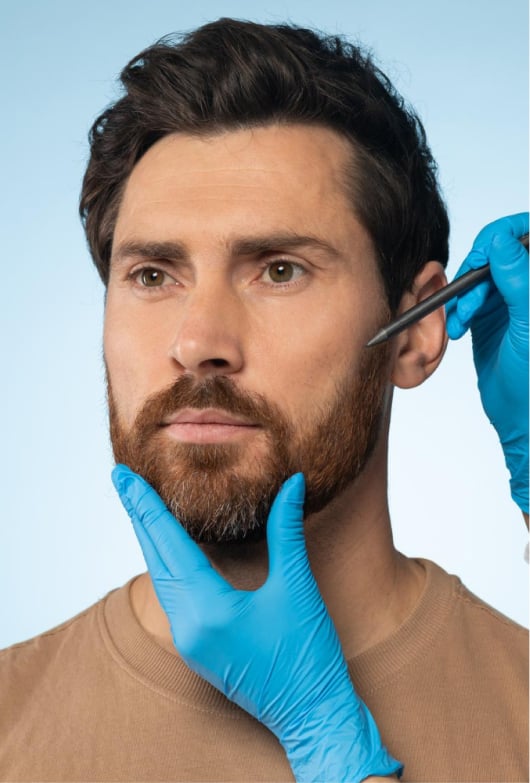
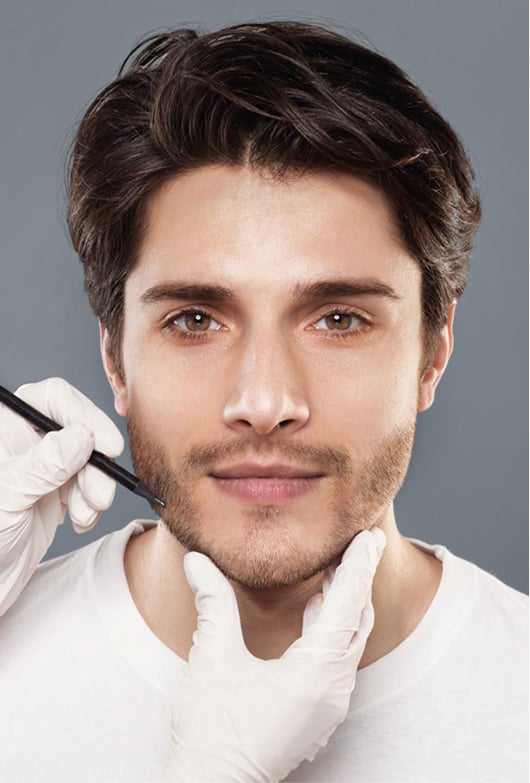
Facial Hair Transplant Technologies

WAW FUE System
The WAW FUE system uses a specialized punch designed to follow the natural shape of hair follicles, Read More

ATERA FUE System
The ATERA FUE system keeps grafts lubricated from extraction to placement, helping protect Read More

Additional FUE & FUT Systems
Our doctors and clinicians are trained on several advanced systems, including Cole, Neograft, Read More

Hybrid Plans with SMP and Cellular Micrografting
When appropriate, we combine facial hair transplants with non-surgical treatments like scalp Read More
Contact us
Our Specialized Facial Hair Transplant Doctors & Clinicians
Facial hair restoration demands attention to fine details. At maxim hair restoration, your procedure is performed and supervised by experienced physicians and clinicians who specialize in hair transplantation for the face and scalp. They understand how beard and eyebrow hairs differ from scalp hair in direction, angle, and texture, and they design your treatment accordingly.
Your doctor plans the donor strategy, designs your beard or brow shape, administers anesthesia, and leads the overall procedure.
Trained clinicians assist with graft handling and placement under the doctor’s guidance to maintain consistency and quality. This team-based approach ensures that every graft is positioned for natural growth and that the final result enhances your facial symmetry and overall appearance.
Preparing for Your Facial Hair Transplant Journey
A smooth experience starts with good preparation. We guide you through each step so you know exactly what to expect.

Consultation First
You will meet with our team to review your goals, examine your facial hair, Read More

Pre-Procedure Instructions
We may ask you to avoid alcohol, smoking, blood thinners, and certain Read More

Hair & Skin Prep
We will advise you on how to trim or shave the donor area and, if needed, parts of Read More

Health & Labs
For some patients—especially those with medical conditions or over a certain Read More

Plan for Recovery
Arrange transportation home on the day of the procedure and plan to Read More
Procedure Details & Duration
A little preparation goes a long way in ensuring success
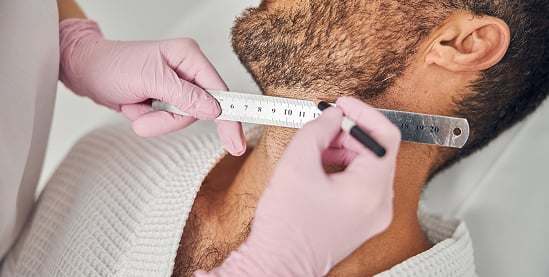
On the day of your facial hair transplant, you arrive at the clinic and review your plan with the doctor. Local anesthesia is administered to numb both the donor and recipient areas, so you remain comfortable and awake. Hair follicles are then harvested—usually with FUE, sometimes with FUT or body hair harvesting, depending on your plan.

Once the grafts are prepared, the doctor creates tiny recipient sites in the beard, mustache, sideburn, jawline, or eyebrow areas. These sites are angled and directed to follow the natural growth pattern for that region of the face. The follicles are then carefully placed one by one. A full beard transplant can take most of the day, often up to 8–10 hours. Eyebrow or smaller-area procedures may be completed in 4–6 hours. During the procedure, you can watch movies, listen to music, chat with the team, or rest while the work is being done.
Recovery & What to Expect Next
A little preparation goes a long way in ensuring success
Immediate Recovery
The treated areas may feel slightly tight, swollen, or sore. Tiny crusts form Read More
Shedding Phase
It is normal for the transplanted hairs to shed in the weeks after the procedure. Read More
New Growth
Fresh facial hairs typically begin to appear around three to four months post- Read More
Visible Results
By six to nine months, most patients see clear changes in beard or brow shape Read More
Final Outcome
Full results are typically seen by 12 months, with complete maturation of the hair Read More
Frequently Asked Questions
Helpful information to guide your hair restoration decisions.

Our Stories
Insights, guides and updates from the world of hair restoration.