Female Hair Restoration
at Maxim Hair Restoration
What Is a Female Hair Restoration?
Female hair restoration is a comprehensive and personalized approach to diagnosing and treating hair loss in women. Unlike male pattern baldness, which follows a predictable pattern, women often
Read More
Types of Female Hair Restoration
Every woman’s pattern of hair loss is different. We offer a wide range of female hair restoration treatments so your plan can focus on the areas that matter most to you.
Why Choose maxim for Female Hair Restoration
At maxim hair restoration, we take female hair loss seriously and build care around your specific needs as a woman.
Our physicians and clinicians bring experience from diverse backgrounds and training programs, including advanced work in women’s hair loss. They understand hormonal changes, postpartum shedding, menopause-related thinning, and genetic female pattern loss, and apply that knowledge to every plan.
We use precision tools, including sapphire blades and micro punches, to create tiny incisions and high-density placement. This approach supports fast healing and allows us to work between existing hairs without damaging them.
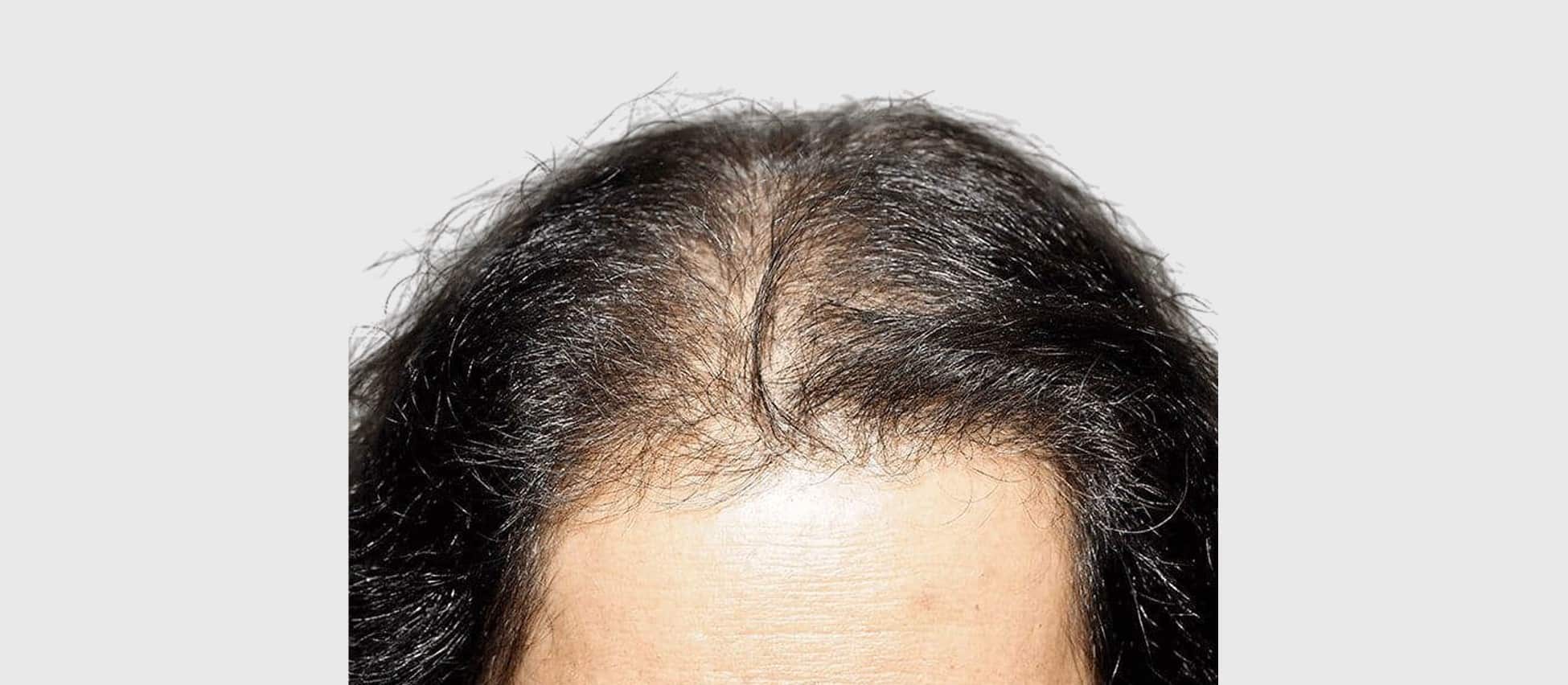
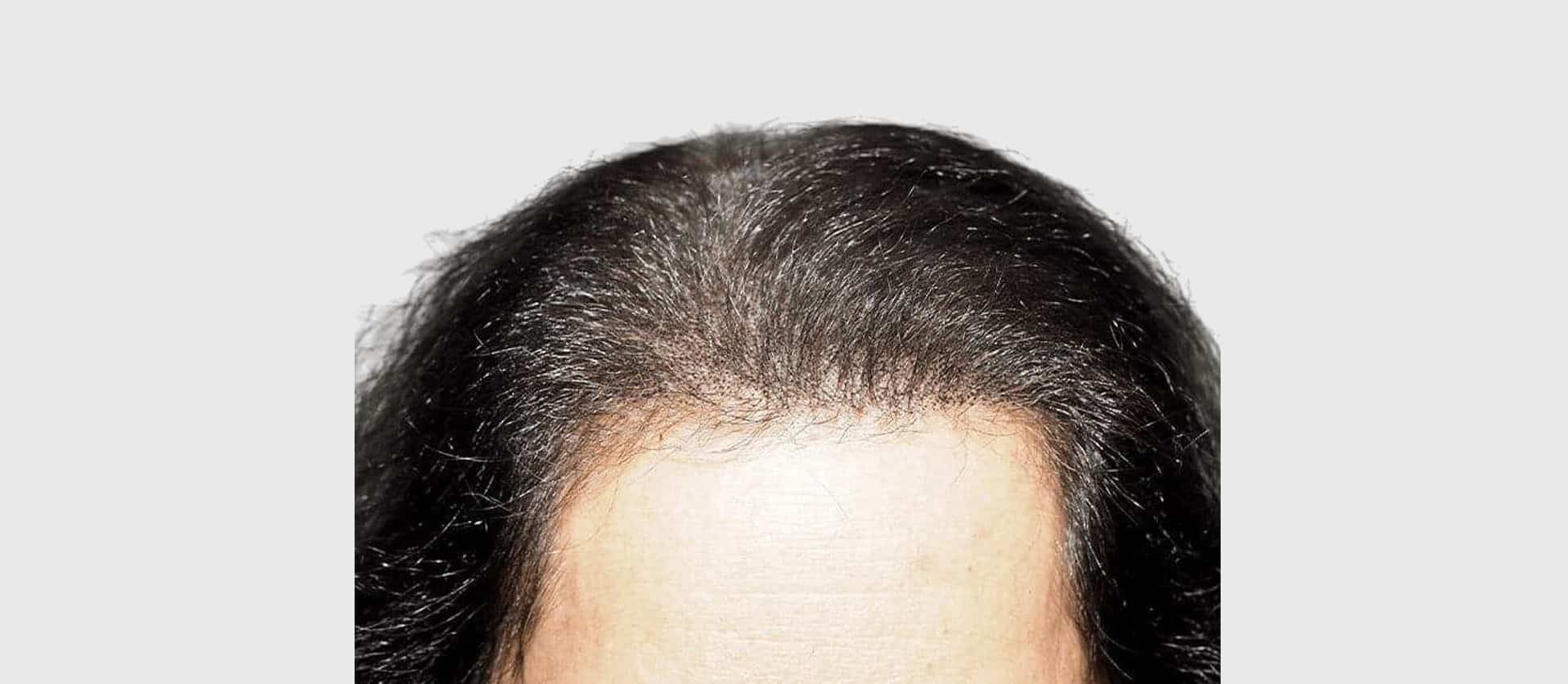
Our Gallery
Proven outcomes backed by experience and expertise
Advantages of Female Hair Restoration

No Linear Scar
For many women, we focus on FUE and other minimally invasive methods that avoid a long strip scar. Read More

Fast Recovery
Most women return to normal routines quickly. While we recommend avoiding intense exercise and Read More

Natural Results
Every graft is placed to follow your natural growth direction and density pattern. We pay close attention Read More

Versatility
Female hair restoration is not limited to one area. We can address eyebrows, hairlines, temples, parts, crowns, Read More
Female Hair Restoration Technologies

Sapphire Blades & Micro Tools
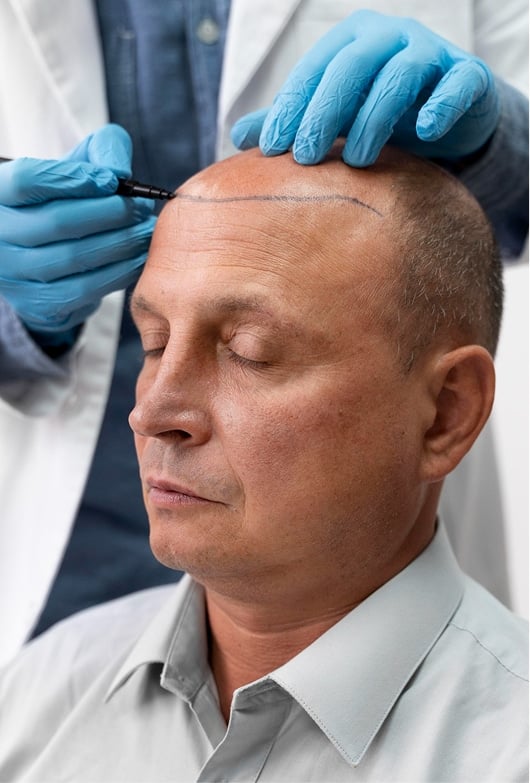
We use ultra-fine blades and micro instruments to create small, precise recipient sites. This allows for Read More

Digital Hairline Design Software
Our doctors can digitally map and preview your new hairline, part, or eyebrow shape before surgery. Read More

Chilled Graft Preservation
During your procedure, harvested follicles are carefully stored in chilled, protective solutions until they are placed. Read More

Hybrid Manual Techniques
We combine manual skill with modern devices to match the needs of each zone on your scalp. Read More
Contact us
Our Specialized Female Hair Restoration Doctors & Clinicians
Our female hair restoration doctors and clinicians are dedicated to understanding the specific challenges women face when dealing with hair loss. They recognize that women often come in with emotional stress tied to thinning, and they approach every case with care, discretion, Read More
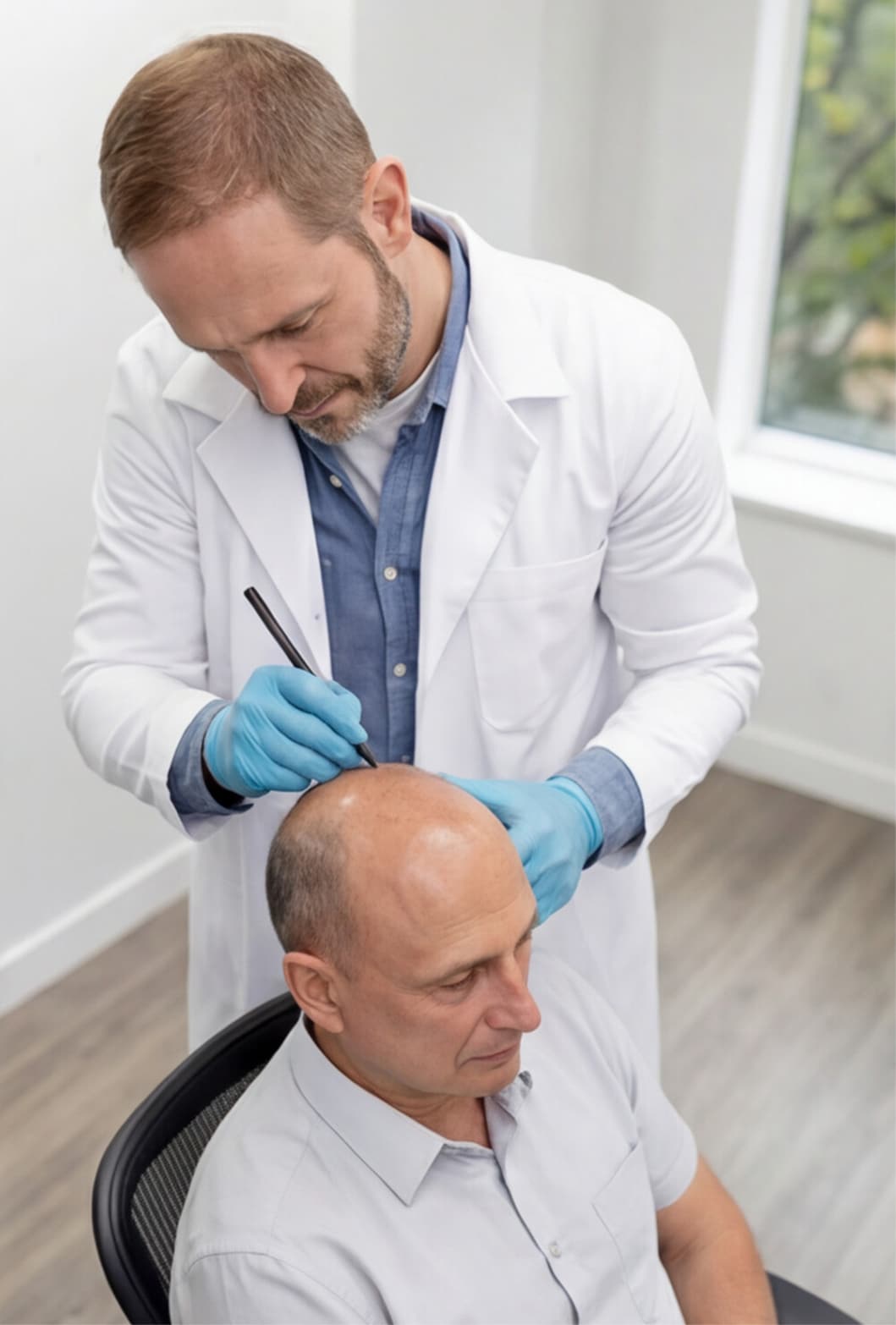
During your consultation, they take time to review your medical history, examine your donor area, map your thinning patterns, and discuss your aesthetic goals in detail. They consider how you wear your hair every day—whether you prefer middle parts, side parts, ponytails, curls, or protective styles—so your results look natural and blend seamlessly with your preferred look.
Read More
Preparing for Your Female Hair Restoration Journey
Good preparation makes the process smoother and increases the likelihood of excellent results.

Consultation First
You will meet with our team to review your goals, examine your facial hair, Read More

Pre-Procedure Instructions
We may ask you to avoid alcohol, smoking, blood thinners, and certain Read More

Hair & Skin Prep
We will advise you on how to trim or shave the donor area and, if needed, Read More

Health & Labs
For some patients—especially those with medical conditions or over a certain age Read More

Plan for Recovery
Arrange transportation home on the day of the procedure and plan to rest for Read More
Procedure Details & Duration
A little preparation goes a long way in ensuring success
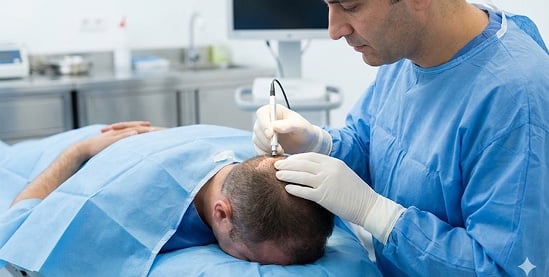
On the day of your facial hair transplant, you arrive at the clinic and review your plan with the doctor. Local anesthesia is administered to numb both the donor and recipient areas, so you remain comfortable and awake. Hair follicles are then harvested—usually with FUE, sometimes with FUT or body hair harvesting, depending on your plan.
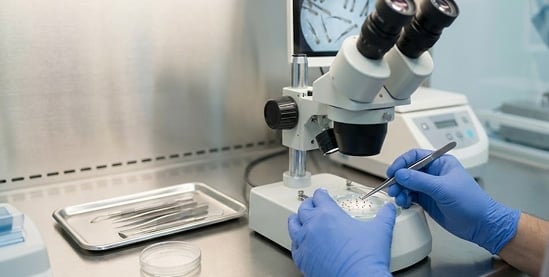
Once the grafts are prepared, the doctor creates tiny recipient sites in the beard, mustache, sideburn, jawline, or eyebrow areas. These sites are angled and directed to follow the natural growth pattern for that region of the face. Read More
Recovery & What to Expect Next
A little preparation goes a long way in ensuring success
Immediate Recovery
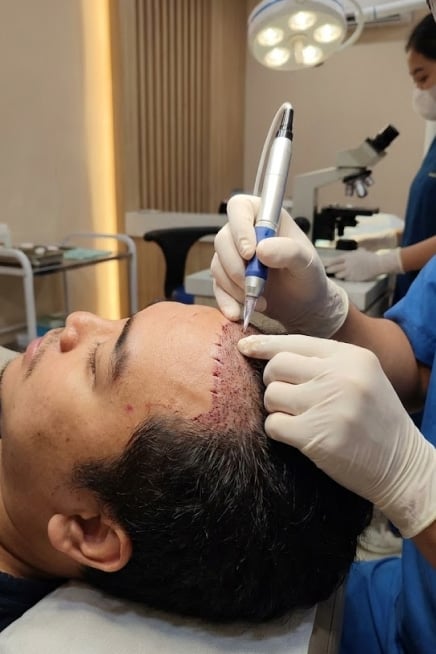
The treated areas may feel slightly tight, swollen, or sore. Tiny crusts form around Read More
Shedding Phase
It is normal for the transplanted hairs to shed in the weeks after the procedure. Read More
New Growth
Fresh facial hairs typically begin to appear around three to four months post- Read More
New Growth
Early growth typically starts around three to four months. At first, the hair may be Read More
Visible Results
From about six to nine months, most women notice a clear difference in volume, Read More
Frequently Asked Questions
Helpful information to guide your hair restoration decisions.