Hybrid Procedures
at Maxim Hair Restoration
What Is a Hybrid Procedure?
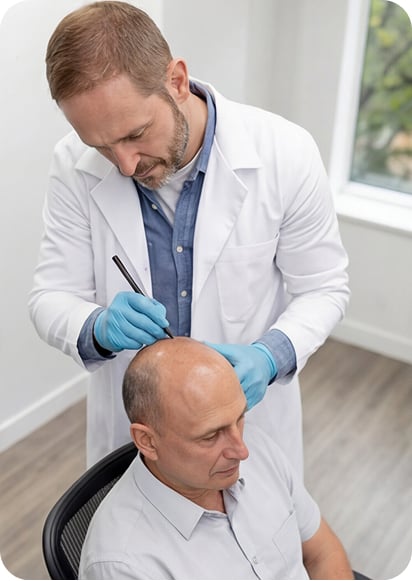
Hybrid procedures are customized hair restoration plans that combine more than one treatment—often both surgical and non-surgical—to target hair loss from multiple angles at the same time. Instead of relying on a single technique like FUE, FUT, or SMP alone, a hybrid approach blends methods such as hair transplantation, regenerative therapies, and scalp-based treatments to create fuller, more natural, and more durable results.
Read More
Types of Hybrid Procedures We Offer
Every hybrid procedure is built around you, but most plans fall into a few common categories. During your consultation, your provider will help you decide which approach matches your goals, timeline, and budget.
Why Choose maxim for Hybrid Procedures
At maxim hair restoration, hybrid procedures are thoughtfully designed, not randomly stacked. Here is how we approach combination treatments differently:
Our hybrid plans are led and supervised by physicians who understand both traditional hair transplant surgery and modern regenerative therapies. They draw from international best practices and evidence-based techniques to create safe, effective roadmaps tailored to each client.
When FUE is part of your hybrid plan, we employ refined tools such as sapphire blades and micro punches to place grafts with high precision. This precision makes it easier to later blend in SMP, regenerative injections, or other therapies around the transplanted hair.
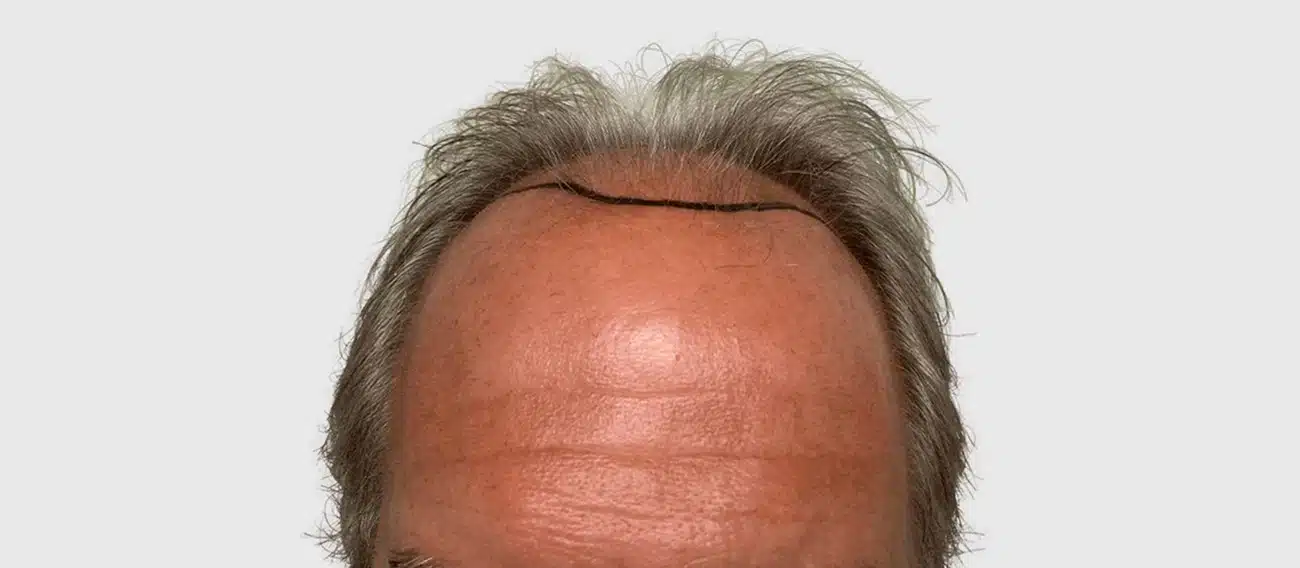
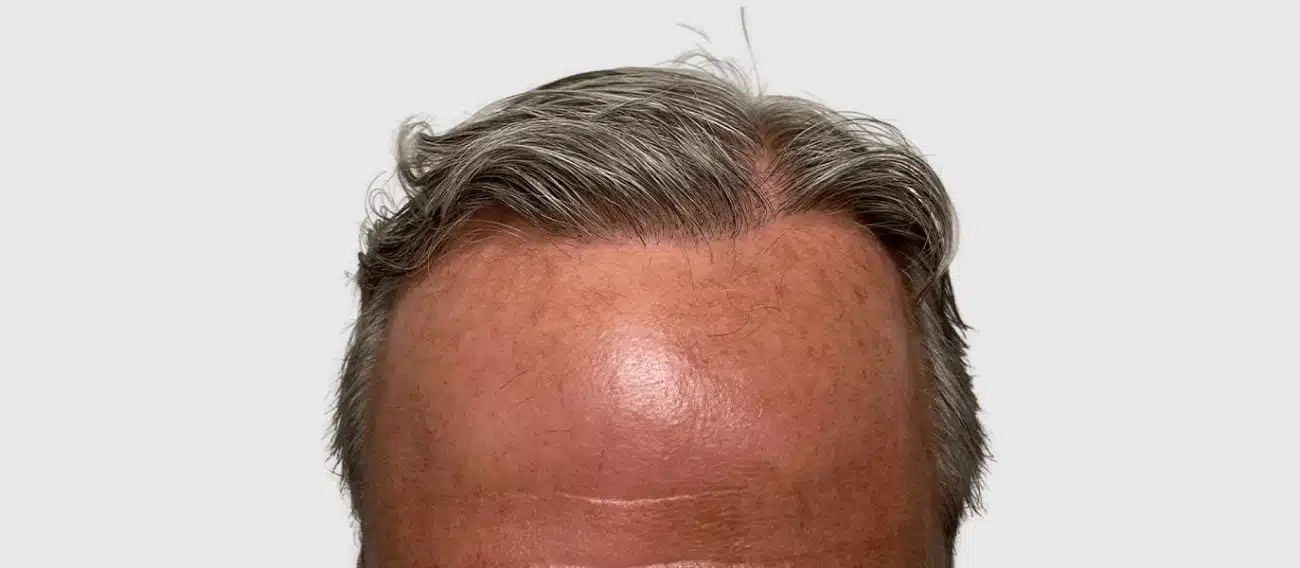
Our Gallery
Proven outcomes backed by experience and expertise
Advantages of Hybrid Procedures

Multidimensional Results
Hair loss is rarely caused by a single factor, so addressing it with only one procedure can limit what is possible. Read More

Better Use of Donor Hair
By supplementing transplants with SMP, regenerative injections, and medical therapies, we often need Read More

Customization for Unique Patterns
Clients with complex patterns—such as scars, traction alopecia, female pattern loss, or diffuse thinning—often Read More

Improved Healing and Comfort
When regenerative therapies like ACP, cellular micrografting, or CIT are paired with transplants, they can help Read More

Long-Term Planning, Not Just a One-Time Fix
Hybrid procedures are usually part of a multi-year strategy that considers how your hair will age. Read More
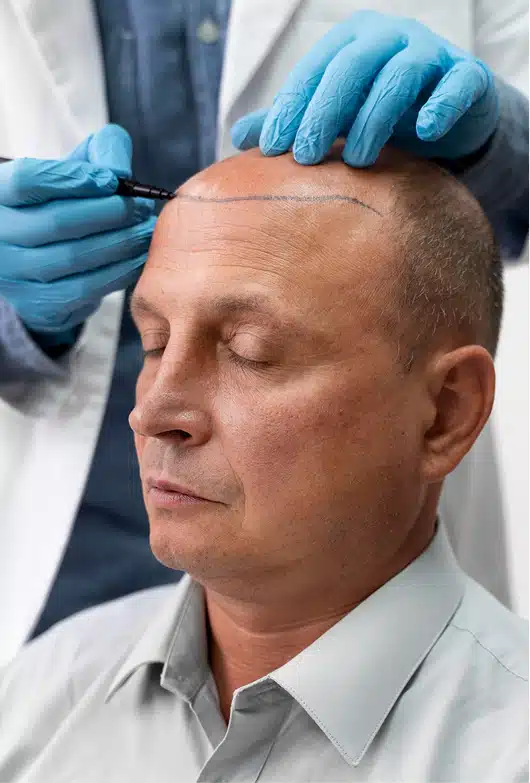
Hybrid Procedures Technologies

Modern FUE & FUT Systems
High-precision tools like WAW FUE, ATERA, and refined strip techniques provide clean grafts that Read More

Scalp Micropigmentation (SMP) Equipment
Medical-grade pigments and ultra-fine needles create realistic follicle impressions that blend with real hair. Read More

Regenerative Processing Devices (ACP, Micrografting)
Specialized centrifuges and closed processing systems are used to prepare autologous conditioned Read More
Our Specialized Hybrid Procedures Doctors & Clinicians
Hybrid procedures demand excellent planning and coordination. At maxim hair restoration, your case is overseen by doctors and clinicians who specialize in combining surgical and non-surgical solutions, not just offering them separately. They understand how each technique Read More
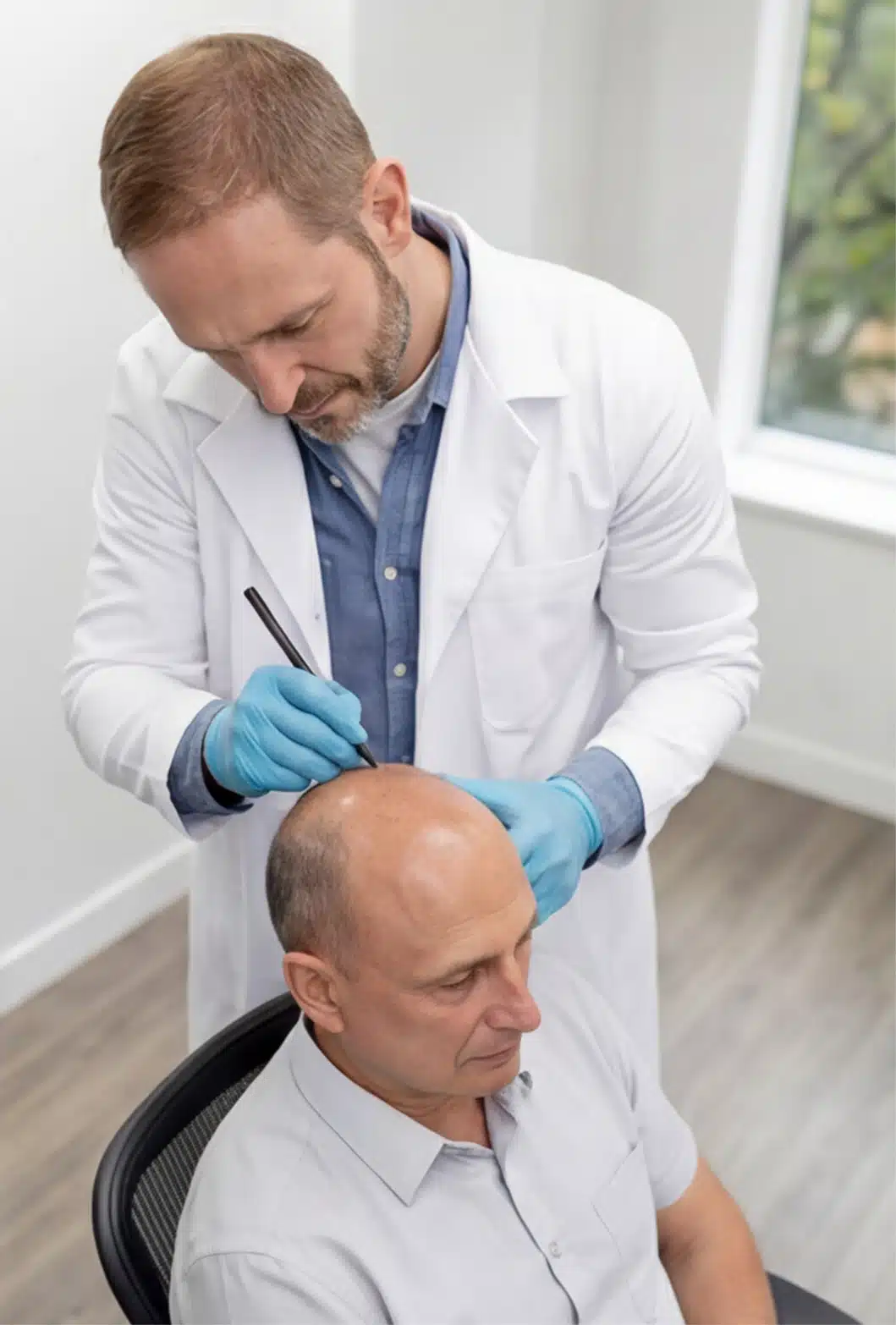
During your consultation, your provider will review your medical history, discuss your past hair treatments, examine your scalp and donor areas, and ask about your timeline, lifestyle, and expectations. From there, they build a structured hybrid plan that outlines each phase: which procedures happen when, what type of recovery is needed, and how results will be evaluated.
Read More
Preparing for Your Hybrid Procedures Journey
Good preparation can make your hybrid experience smoother and your results more predictable:

Consultation First
Your journey begins with a detailed one-on-one consultation. We review your Read More

Pre-Procedure Instructions
You may be asked to avoid blood thinners, certain supplements, alcohol, or Read More

Hair & Skin Prep
You will receive specific instructions on how to wash and prepare your hair Read More

Health & Labs
For some clients, especially those with complex medical histories, basic Read More

Plan for Recovery
Because hybrid procedures may involve multiple visits, it is important to plan Read More
Procedure Details & Duration
A little preparation goes a long way in ensuring success

The timeline for a hybrid procedure depends on which treatments are being combined and whether they are done on the same day or over several weeks or months. A typical hybrid path might look like this:
You arrive at the clinic, review the day’s plan, and have your scalp cleansed and prepared. If a transplant is scheduled, local anesthesia is administered to the donor and recipient areas, and FUE or FUT is performed as planned. Grafts are harvested, prepared under magnification, and placed into tiny recipient sites designed to mimic natural growth patterns.

On the same day or soon after, supporting procedures such as ACP injections, CIT, or SMP may be performed in designated zones. Each therapy is sequenced so that it works with—not against—the others. Some steps, like laser therapy or certain topicals, may happen on separate visits or at home between in-office appointments.
Total procedure time for any given session can range from 30–60 minutes for purely non-surgical visits to 6–8 hours or longer for major transplant days. Your team will walk you through the length and structure of each step before you begin, so you always know what to expect.
Recovery & What to Expect Next
A little preparation goes a long way in ensuring success

Immediate Recovery
After each visit, you may experience different levels of sensitivity, swelling, or Read More
Shedding Phase
Transplanted hairs typically shed within the first few weeks, which is a normal part Read More
New Growth
Fresh growth from transplanted follicles usually starts to appear around Read More
Visible Results
As the months pass, you should notice better coverage, improved hair quality, Read More
Final Outcome
Most clients see their full transplant results by 12 months, with continued Read More
Frequently Asked Questions
Helpful information to guide your hair restoration decisions.