PDO
at maxim hair restoration
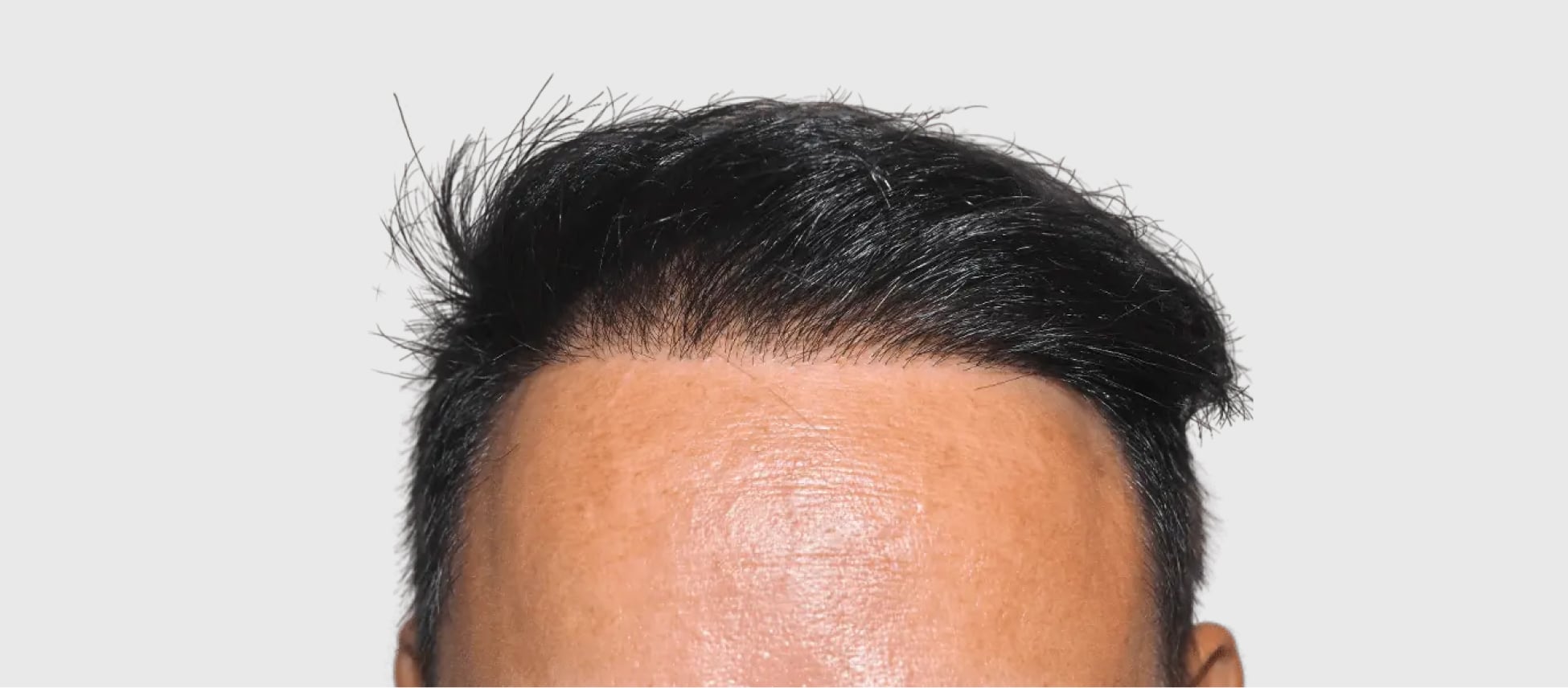
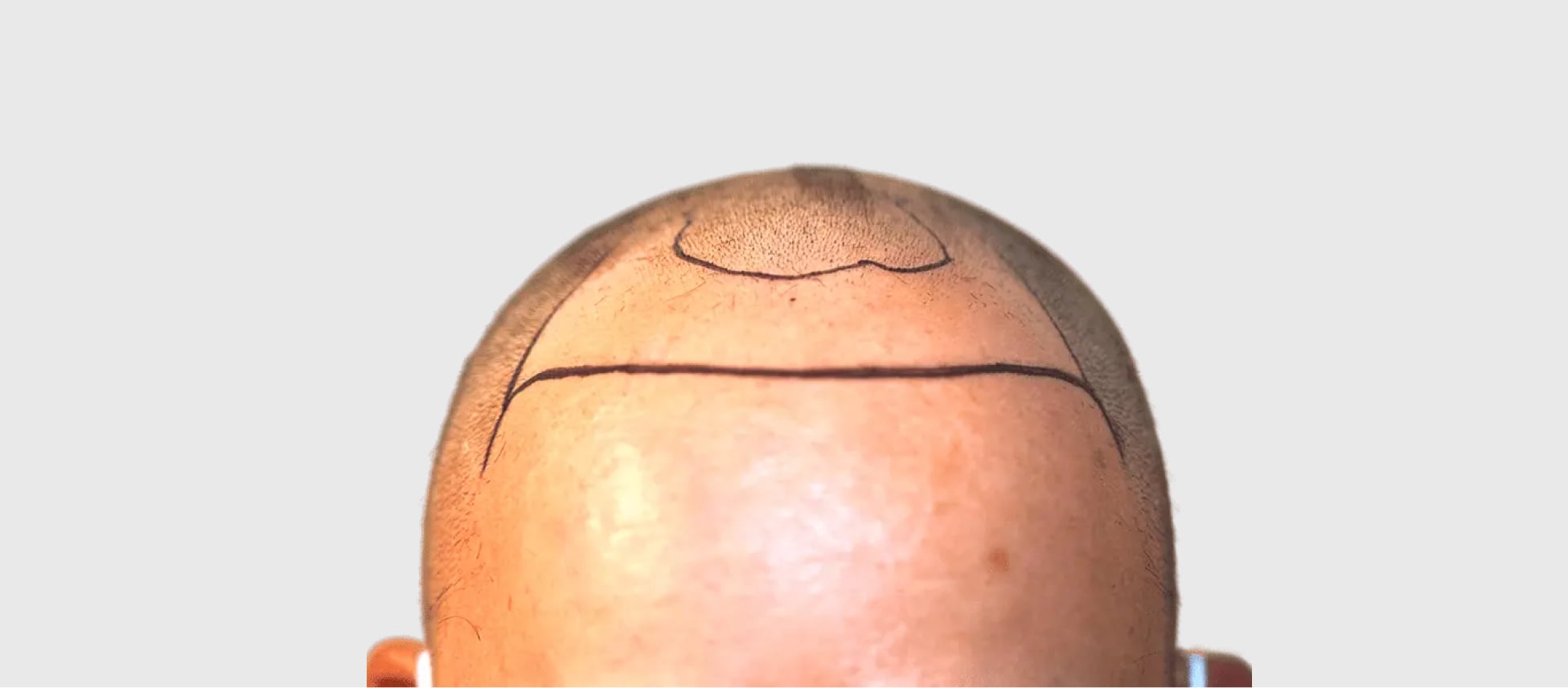
What Is a PDO Hair Restoration Treatment?
A PDO hair restoration treatment is a non-surgical procedure that uses very thin, absorbable polydioxanone threads placed just under the scalp surface to stimulate and support hair follicles. These threads are made from the same material used safely for many years in medical sutures. Over several months, they gradually dissolve while triggering a cascade of beneficial responses in the scalp.
Read More
Types of PDO Hair Restoration Treatments
PDO treatments can be customized based on your pattern of hair loss, scalp condition, and goals. At maxim hair restoration, we commonly use:
Why Choose maxim for PDO Hair Restoration
PDO threads are a tool, but results depend heavily on who is using them and how your plan is built. Here’s how maxim hair restoration approaches PDO:
Treatments are designed and overseen by experienced medical providers who understand both hair biology and aesthetics. Our team has worked with diverse hair types and patterns of loss.
We use local anesthesia (such as scalp ring blocks) and refined insertion methods to keep you as comfortable as possible during each session.
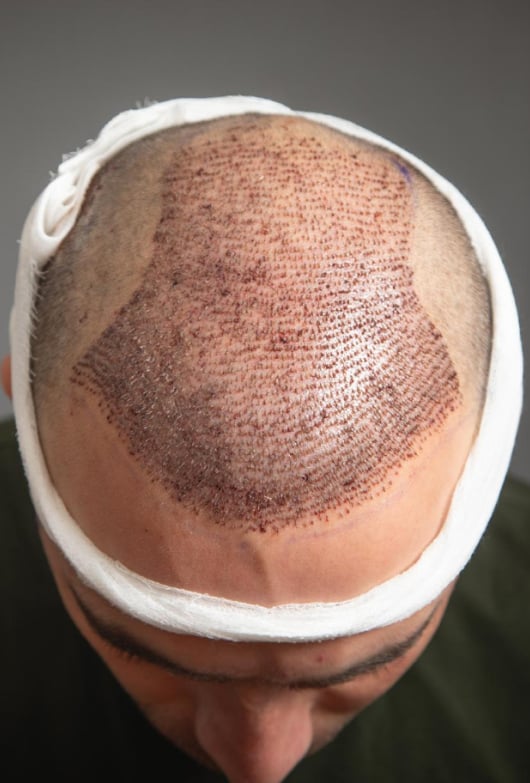
Our Gallery
Proven outcomes backed by experience and expertise


Advantages of PDO Hair Restoration

Increases Hair Regrowth Potential
By improving blood flow, nutrient delivery, and local growth signals around the follicles, PDO can help support Read More

Non-Surgical & Minimally Invasive
PDO is performed through tiny entry points in the scalp. There are no incisions, no stitches, and no removal Read More

Supports Scalp Quality and Structure
Collagen, elastin, and hyaluronic acid produced in response to PDO threads can improve the scalp’s structural Read More

Few and Mild Side Effects for Most Patients
Temporary tenderness, a feeling of “heaviness,” minor swelling, or bruising can occur. These are usually mild Read More

Customizable Treatment Frequency
Some people are satisfied after one treatment cycle. Others choose periodic sessions—often every 4–6 months—to Read More
PDO Technologies

Medical-Grade PDO Threads
We use sterile, absorbable polydioxanone threads designed for medical use. They are thin, flexible, and Read More

Concentrated Growth Factor Preparation
A small blood draw is taken and processed to concentrate your own growth factors. These are then applied Read More

CIT / Microneedling Devices
Controlled microneedling (sometimes called CIT – collagen induction therapy) is performed to trigger Read More

Targeted Thread Placement Patterns
When appropriate, we combine facial hair transplants with non-surgical treatments like scalp Read More
Contact us
Our Specialized PDO Doctors & Clinicians
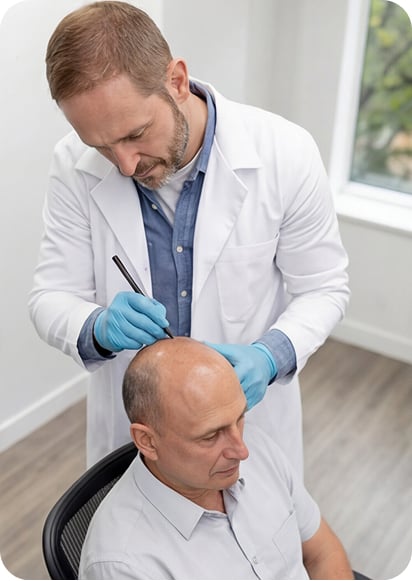
PDO hair restoration requires careful assessment and precise technique. At maxim hair restoration, your PDO treatment is designed and overseen by medical professionals who focus on hair and scalp health. They evaluate your hair loss pattern, review your medical history, and determine whether PDO threads are appropriate for your stage of thinning.
During the procedure, your provider manages anesthesia, growth factor preparation, microneedling, and thread placement. Clinical staff support each step and follow standardized protocols for safety and sterility. After treatment, you receive clear instructions and access to follow-up so your progress can be monitored and your plan adjusted if needed.
Our goal is not simply to place threads but to integrate PDO into a thoughtful, long-term hair restoration strategy that feels realistic and sustainable for you.
Preparing for Your PDO Journey
A smooth experience starts with good preparation. We guide you through each step so you know exactly what to expect.

Consultation First
We begin with a detailed consultation to review your hair history, family Read More

Pre-Procedure Instructions
You may be asked to avoid blood thinners, alcohol, and certain supplements Read More

Scalp Preparation
We may recommend arriving with clean, product-free hair. Heavy hair sprays, oils, Read More

Medication and Medical Review
If you take prescription medications, especially those affecting bleeding or Read More

Plan Your Day
A PDO session typically takes 1–2 hours. Many patients return to routine Read More
Procedure Details & Duration
A little preparation goes a long way in ensuring success

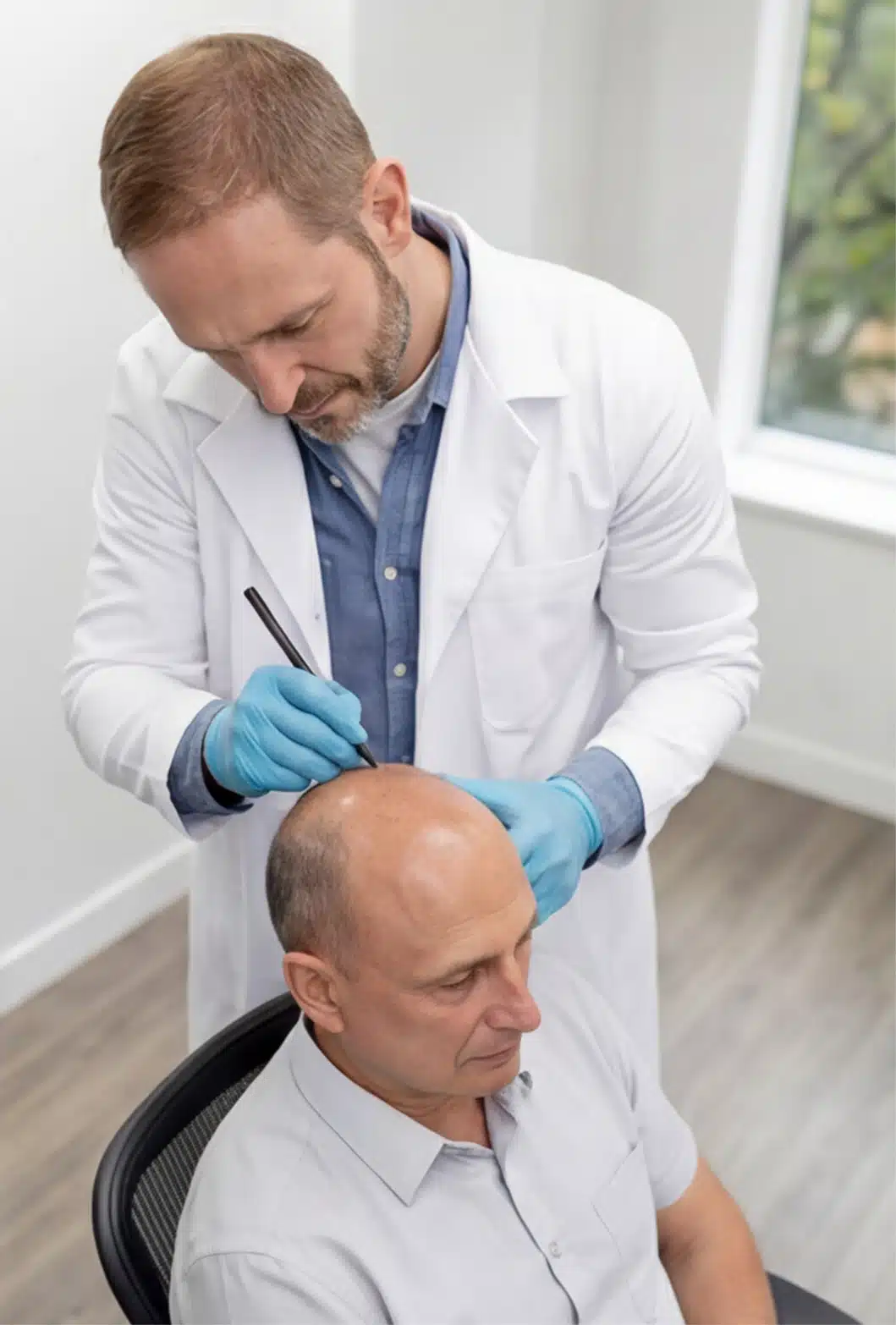
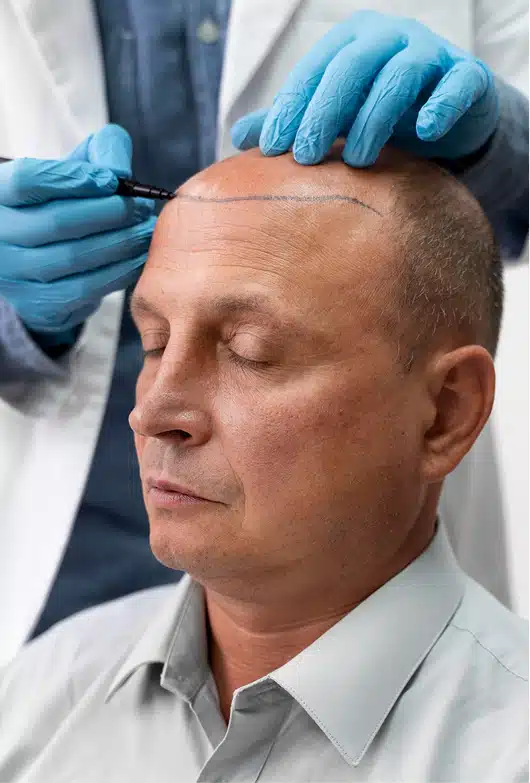
A PDO hair restoration appointment usually takes about one to two hours from start to finish, though times may vary based on your plan. After you check in, your provider may take photos and mark the areas to be treated. A small amount of blood is drawn and processed to concentrate growth factors, which are then applied or injected into the scalp.

Next, a local anesthetic is administered, often as a scalp ring block, to numb the treatment region. Controlled microneedling is performed to activate the skin’s healing response and further enhance penetration of growth factors. Finally, PDO threads are carefully placed into targeted areas of thinning using fine needles or cannulas. Once the threads are in position, they begin their work behind the scenes, while you can typically leave the clinic shortly after the session.
Recovery & What to Expect Next
A little preparation goes a long way in ensuring success

Immediate Recovery
Right after treatment, you may notice mild swelling, tenderness, or a feeling of Read More
Short-Term Changes
Some patients see mild bruising or pinpoint marks from thread entry sites or Read More
Early Improvement
Changes in shedding or hair texture can start to appear in the first few months. Read More
Visible Results Over Time
Because PDO relies on your body’s healing and remodeling processes, Read More
Maintenance & Follow-Up
Your clinician will discuss whether a single round of PDO is sufficient or whether Read More
Frequently Asked Questions
Helpful information to guide your hair restoration decisions.

Blogs
Insights, guides and updates from the world of hair restoration.