Hair Loss in Your 20s: Causes, Signs, and Treatment
Hair loss in your 20s can feel very daunting because most people expect healthy hair and steady hair growth at this stage of life. The last thing to expect is a wider part, a receding hairline, or a visible scalp. The reality is that hair loss at a young age is not as rare as people think. However, it doesn’t always translate to permanent hair loss.
What’s important here is to identify the cause as early as possible. This will make it possible to protect hair follicles, slow down thinning, and opt for the most effective therapies [1].
At a Glance
- Hair loss in your 20s can result from various causes, including androgenetic alopecia, telogen effluvium, alopecia areata, traction alopecia, hormonal changes, and a few medical conditions.
- Early hair loss is easier to manage when a healthcare provider is able to identify the type of hair loss before the early stages progress into more visible thinning [1].
Why hair loss can start in your 20s
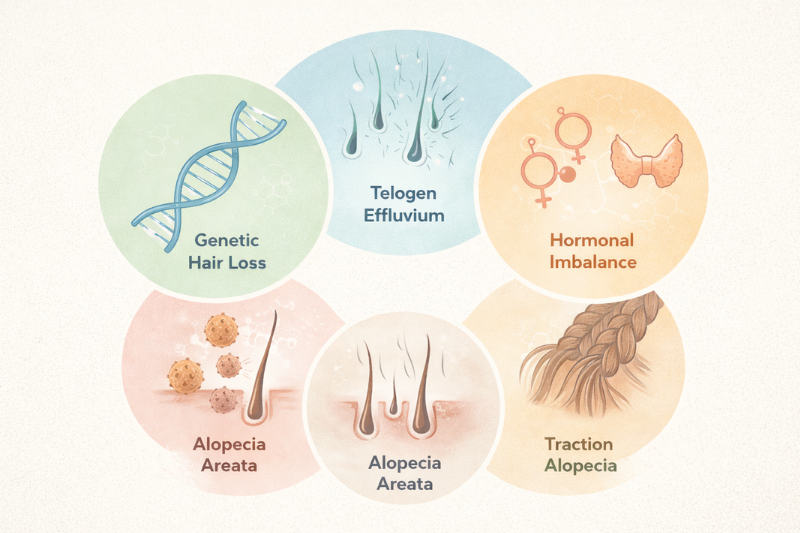
Hair loss in your 20s usually happens because the normal hair cycle is disrupted. As a result, hair follicles will become more sensitive to hormones. Sometimes, an external factor has disrupted healthy hair growth. For some people, the problem is hereditary hair loss. For others, the issue stems from stress, illness, hormonal fluctuations, poor hair care, and underlying health conditions that affect hair health and blood flow to the scalp [1].
One of the most common causes of loss in your 20s is androgenetic alopecia. This type of hair loss is genetic and usually develops over time as susceptible hair follicles shrink. In men, the typical appearance is male pattern baldness with a receding hairline or thinning at the crown. In women, female pattern hair loss or female pattern baldness appears as diffuse hair thinning, a wider part, and reduced density over the top of the scalp [2].
With that said, it’s important to remember that not all hair loss in the 20s is permanent. For instance, a condition called telogen effluvium can cause temporary hair loss due to illness, surgery, rapid weight loss, excessive stress, and stopping a hormone treatment (e.g., birth control). In telogen effluvium, more hair follicles shift into the resting phase, and shedding usually becomes obvious around three months after the trigger [3].
Hormonal changes can matter as well, especially in women. Polycystic ovary syndrome can cause scalp hair thinning due to the higher androgen levels, which may contribute to loss of hair from the head. Another hormonal issue is thyroid imbalance, which can also cause diffuse shedding and uniformly sparse hair across the scalp. It is vital to identify these causes since the treatment is all about the underlying medical issue [5] [6].
Alopecia areata is another cause of early hair loss. Unlike diffuse shedding, it tends to cause sudden patchy bald spots because the immune system attacks the hair follicles. This type of hair loss can begin in the teens, twenties, or thirties. Additionally, it commonly appears without any warning [4].
Hair care habits can also damage hair follicles. Tight hairstyles, weaves, extensions, and any style that creates constant tension can cause traction alopecia. Repeated harsh treatments and frequent heat tools can worsen hair thinning, weaken hair strands, and make healthy hair harder to maintain [1] [7].
Common causes of hair loss in your 20s
Androgenetic alopecia
Androgenetic alopecia is the most common type of hair loss in adults. It is hereditary hair loss, which means family history matters. In male pattern baldness, the early signs may be:
- Temple recession.
- Crown thinning.
- A receding hairline.
In female pattern hair loss, the signs are usually gradual thinning, reduced density, and a more visible scalp rather than complete baldness [2] [8].
Telogen effluvium
Telogen effluvium is a common cause of temporary hair loss and stress-related hair loss. People with this condition may notice hair falling in the shower, on the pillow, and when they brush their teeth. Because it affects the cycle, the shedding is generally diffuse [3].
Alopecia areata
Alopecia areata is an autoimmune condition that usually causes patchy bald spots. It does not follow the pattern of male pattern baldness or female pattern baldness. Instead, it tends to present with sudden and round areas of loss [4].
Hormone-related hair loss
Hormonal fluctuations, thyroid disorders, and polycystic ovary syndrome can all reduce hair growth and worsen thinning hair. If hair loss is accompanied by irregular periods, fatigue, acne, or weight change, it’s necessary to get evaluated by a healthcare provider [5].
Traction Alopecia
Traction alopecia occurs when hairstyles place repeated pulls on the same areas of the scalp. Over time, constant tension can damage hair follicles, worsen early hair thinning, and increase the risk of permanent hair loss if the habit continues for too long [1].
Early signs to watch for
The early signs of hair loss are not always dramatic. For example, you may first notice:
- Thinning hair around the temples.
- A wider part.
- Reduced ponytail volume.
- More hair strands on your pillow.
- A visible scalp under bright light.
Some people notice hair loss because they see more hair in the sink. Others only become aware of it when photographs show gradual thinning.
| Sign | What it may suggest |
| Receding hairline | Early male pattern baldness or androgenetic alopecia. |
| Wider part or a more visible scalp | Female pattern hair loss, female pattern baldness, and diffuse hair thinning. |
| Sudden diffuse shedding | Telogen effluvium or stress related hair loss. |
| Round and patchy bald spots | Alopecia areata. |
| Edge thinning after tight hairstyles | Traction alopecia. |
How diagnosis works
A proper diagnosis starts with pattern recognition, timing, scalp examination, and a comprehensive gathering of the patient’s medical history. The American Academy of Dermatology (AAD) notes that a dermatologist may ask the following questions:
- How long has the hair loss been present?
- How was the onset of hair loss?
- What is the family history of the patient?
- Are there any triggering diseases (e.g., vitamin deficiency, hormone imbalance, infection)?
Blood tests or a scalp biopsy may sometimes be needed [1].
Treatment options for hair loss in your 20s
Medical treatments
For androgenetic alopecia, medical treatments usually come first. According to the AAD, minoxidil can stimulate hair growth, help prevent further thinning, and support hair regrowth [1]. A 2024 clinical review also notes that first-line treatment for patterned hair loss is usually minoxidil, and oral finasteride is still an important option for male patients [8].
For women with female-pattern hair loss, minoxidil is one of the most commonly recommended treatments. If hormonal changes, polycystic ovary syndrome, or thyroid disorders are part of the picture, the treatment will revolve around those particular diseases. For alopecia areata, the treatment focuses on immunotherapy [6].
Non-surgical hair restoration
If you are not ready for surgery, non-surgical care may still help protect hair follicles and support healthy hair growth. Maxim Hair restoration clinic offers non-surgical hair restoration options, including cellular micrografting, Autologous Conditioned Plasma, topical compounds, and scalp-focused therapies that stimulate hair follicles and improve hair health.
Hair care and daily habits
Lifestyle modifications are unlikely to reverse every form of hair loss. However, these habits can still support healthy hair and stop the spread of the damage.
A balanced diet with essential nutrients and enough protein supports healthy hair growth. Lean meats, legumes, eggs, and iron-rich foods can help when poor intake contributes to shedding. It is also important to stay physically active [3] [7].
Learn more about does biotin help hair growth and when it may be beneficial for hair health.
You should also avoid tight hairstyles, reduce harsh treatments, limit heating tools, and protect the scalp from excessive sun exposure [7]. Finally, stress management is very important since it contributes to telogen effluvium [3].
When a hair transplant makes sense
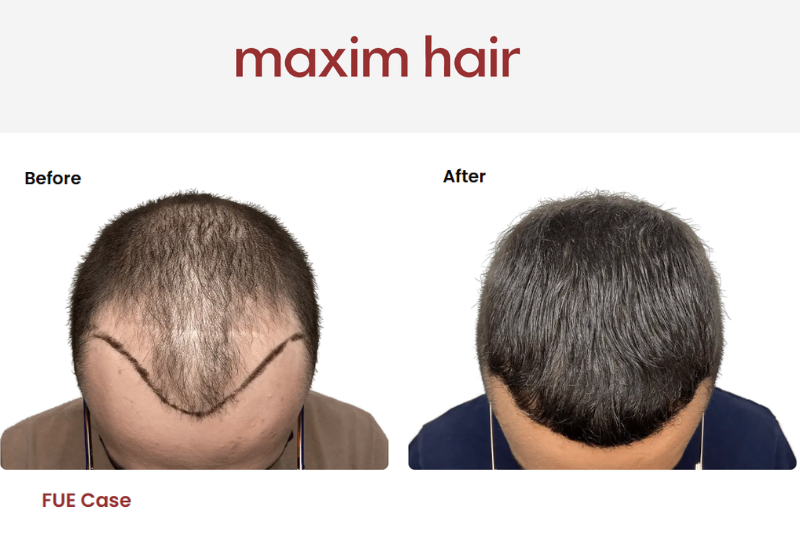
A hair transplant can be an excellent option for some patients with stable androgenetic alopecia, but it is not the right first answer for every person with loss in their 20s.
The main goal of a hair transplant is to move healthy hair follicles from a donor area to zones of permanent thinning. That means it works best when the diagnosis is clear and the pattern is stable enough for long-term planning [1] [8].
You can find a doctor to explore both surgical and non-surgical hair restoration, including FUE, FUT, female hair restoration, and regenerative options.
| Treatment | Best fit | Goal |
| Minoxidil | Early patterned hair loss in men and women. | Support hair growth and slow progression. |
| Finasteride | Male pattern baldness. | Protect susceptible hair follicles from DHT. |
| Trigger correction | Telogen effluvium. | Restore the cycle and reduce shedding. |
| Immune-directed therapy | Alopecia areata. | Dampen inflammation around hair follicles. |
| Non-surgical restoration | Early hair thinning or supportive care. | Improve hair health and support density. |
| Hair transplant | Stable hereditary hair loss. | Restore density with transplanted follicles. |
Conclusion
Hair loss in your 20s is common; however, it does not point to one single explanation. Some people have hereditary hair loss from androgenetic alopecia. Others have temporary hair loss from telogen effluvium, hormonal changes, thyroid disorders, traction alopecia, and autoimmune diseases (e.g., alopecia areata).
If you want a clearer plan for early hair loss, thinning hair, or whether a hair transplant is appropriate now or later, it is important not to waste time and explore your options before the damage spreads.
Frequently Asked Questions (FAQs)
Can you start losing hair in your 20s?
Yes. Hair loss in your 20s can happen because of androgenetic alopecia, telogen effluvium, alopecia areata, hormonal changes, some diseases, and traction from styling habits.
Is hair loss in your 20s reversible?
Temporary hair loss from telogen effluvium or thyroid disease may improve after the trigger is treated, whereas hereditary hair loss usually needs ongoing treatment to protect existing follicles.
Can women get pattern hair loss in their 20s?
Female pattern hair loss can begin earlier than many people expect, especially when family history or hormone-related factors are present.
What is the best first step if you notice thinning hair?
The best first step is a proper diagnosis. A healthcare provider or hair loss specialist can work out the type of hair loss you have and its appropriate treatment.
References
[1] American Academy of Dermatology Association. (2022, December 13). Hair loss: Diagnosis and treatment. American Academy of Dermatology Association. Link
[2] American Academy of Dermatology Association. (2022, December 13). Thinning hair and hair loss: Could it be female pattern hair loss? American Academy of Dermatology Association.Link
[3] British Association of Dermatologists. (2025). Telogen effluvium. British Association of Dermatologists.Link
[4] National Institute of Arthritis and Musculoskeletal and Skin Diseases. (2024, August 28). Alopecia areata. U.S. Department of Health and Human Services.Link
[5] British Thyroid Foundation. (2024, May 21). Hair loss and thyroid disorders. British Thyroid Foundation.Link
[6] World Health Organization. (2026, January 22). Polycystic ovary syndrome. World Health Organization.Link
[7] Mayo Clinic Staff. (2026, February 7). Hair loss: Symptoms and causes. Mayo Clinic.Link
[8] Dakkak, M. A., & Yeung, H. (2024). Hair loss: Diagnosis and treatment. American Family Physician, 110(5), 507–515.Link