Trasplantes capilares FUE en afroamericanos
en Maxim Hair Restoration
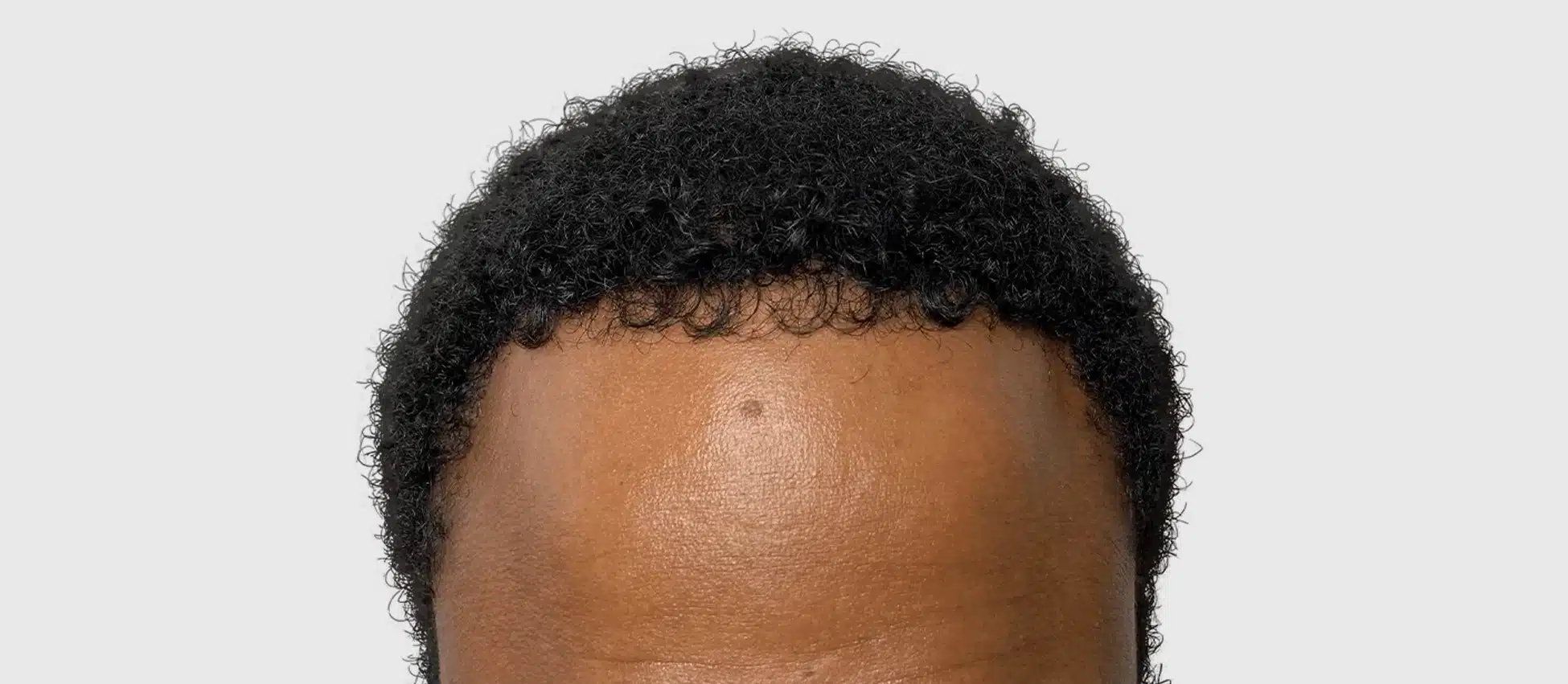
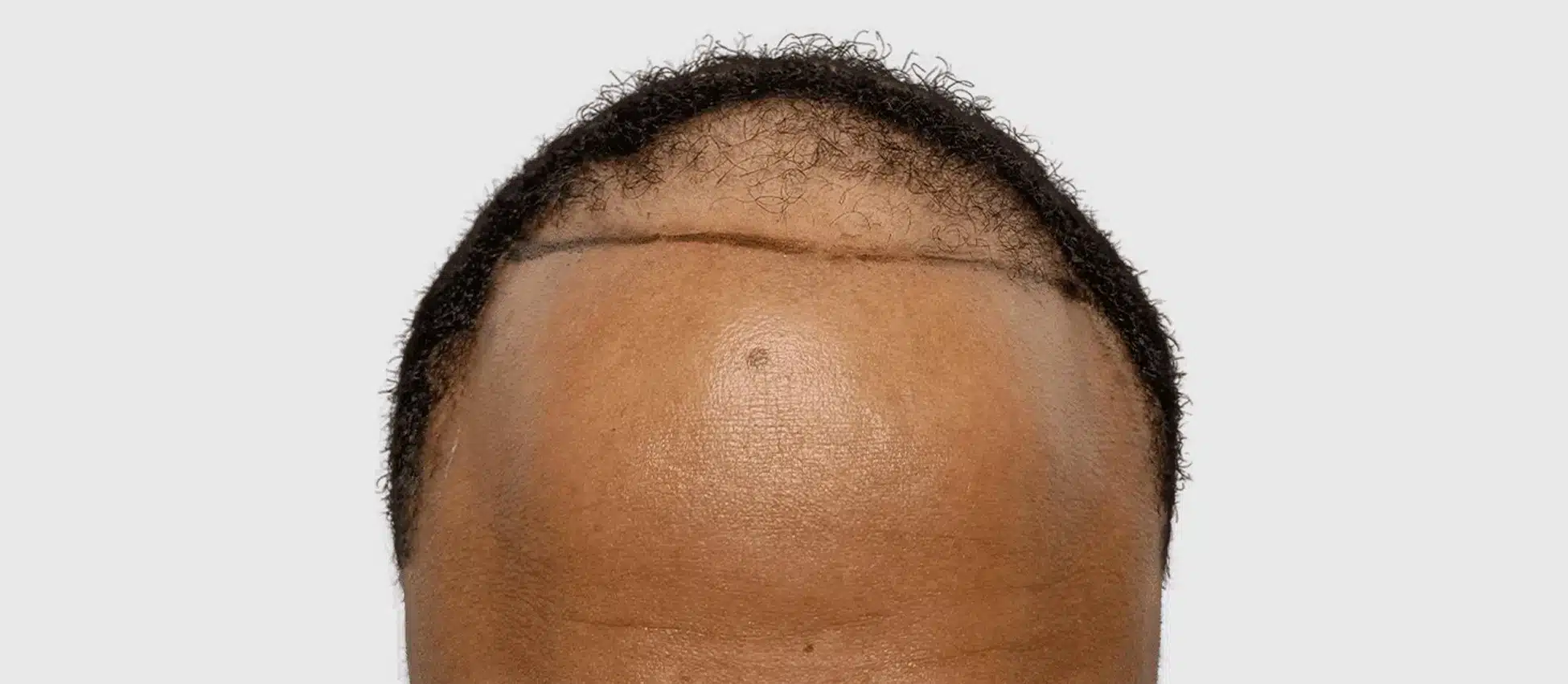
What Is a African American Fue Hair Transplants Procedure?
An African American FUE hair transplant is a follicular unit extraction that is specifically tailored to Black and textured hair. Instead of treating all hair the same, your clinician evaluates your curl pattern, density, and scalp health, then selects specialized punches and techniques that follow the natural curve of your follicles under the skin.
Leer más

Types of African American Fue Hair Transplants
Not every patient has the same hair pattern, goals, or stage of hair loss. We customize African American FUE hair transplant plans around your specific needs.
Why Choose maxim for African American Fue Hair Transplants
African American FUE is not just “regular FUE on curly hair.” It demands specific training, experience, and tools. Here is how maxim hair restoration approaches it.
Our clinicians and doctors have hands-on experience with tight curls, coils, and waves. They understand how follicles curve under the skin and how that affects every step of the procedure.
We use advanced systems like WAW and ATERA that are better suited to curved follicles and tight textures. This helps lower transection rates and protect follicular units while harvesting.
Nuestra galería
Resultados comprobados respaldados por la experiencia y la pericia


Advantages of African American Fue Hair Transplants

Specialized Hair Restoration for Curly and Coily Hair
We don’t consider curls a problem to “work around.” We plan specifically for them. Our harvesting Leer más

No Price Difference for Textured Hair
Your hair type does not trigger a higher base price. Costs are based on graft counts, case complexity, and Leer más

Curl-Aware FUE Planning
Understanding J-curl and C-curl patterns matters. With J-curls, the root curves less dramatically and is slightly Leer más

FUE vs. FUT Options for Black Clients
Traditional advice often pushed African American patients toward FUT (strip) because of curl-related FUE Leer más

Non-Surgical and Hybrid Choices
If you are not ready for surgery, or if your hair loss is early, we offer non-surgical and hybrid options as well. Leer más


African American Fue Hair Transplants Technologies

WAW FUE System for Curved Follicles
The WAW system uses a trumpet-shaped punch that better matches the natural contour of many Leer más

ATERA FUE System for Graft Protection
The ATERA system keeps grafts lubricated and hydrated from extraction to implantation. Leer más

Other FUE Platforms Adapted for Textured Hair
We may incorporate additional systems—such as Cole devices, Sapphire blades for site-making, DHI Leer más
Contáctanos
Our Specialized African American Fue Hair Transplants Doctors & Clinicians
t maxim hair restoration, African American FUE procedures are handled by doctors and clinicians who understand textured hair from both a medical and aesthetic standpoint.
They are experienced with tight curls, coils, waves, and mixed textures, and they know how follicle shape changes beneath the skin. Before planning surgery, your provider looks closely at your donor area, curl pattern, scalp condition, and hairstyle history, including relaxers, braids, twists, locs, and protective styles.
Leer más
Preparing for Your African American Fue Hair Transplants Journey
Preparation helps protect both your scalp and your style.

Consultation and Hair History
During your consultation, we talk about your hair journey—relaxers, color, heat, Leer más

Instrucciones antes del procedimiento
You receive written directions covering medications, alcohol, smoking, and certain Leer más

Hair & Skin Prep
You will be advised how short to cut your hair, if at all, prior to the procedure. In Leer más

Health Considerations
If you have a history of keloid scarring, severe scalp conditions, or other concerns, Leer más

Planning for Your Recovery Window
Although FUE is outpatient and done under local anesthesia, you should Leer más
Detalles y duración del procedimiento
Un poco de preparación ayuda mucho a garantizar el éxito

An African American FUE hair transplant generally takes longer than a comparable procedure on straight hair because each curved follicle must be followed carefully to avoid damage. Leer más

Once enough grafts are collected, tiny recipient sites are created at angles that complement your natural curl direction and future styling, and the grafts are placed individually to rebuild Leer más
Recuperación y qué esperar a continuación
Un poco de preparación ayuda mucho a garantizar el éxito

Recuperación inmediata
You may experience mild swelling, soreness, or tightness in the donor and Leer más
Early Healing and Care
You will receive written instructions on washing, moisturizing, and protecting Leer más
Fase de desprendimiento
It is normal for many transplanted hairs to shed in the weeks following surgery. Leer más
New Growth and Texture
Fresh growth typically starts around three to four months, thickening from month Leer más
Long-Term Maintenance
By 9–12 months, you can see the full impact of your African American FUE hair Leer más
Preguntas frecuentes
Información útil para guiar sus decisiones sobre la restauración capilar.

Blogs
Perspectivas, guías y novedades del mundo de la restauración capilar.
 English
  Spanish