Collagen Induction Therapy (CIT)
at maxim hair restoration
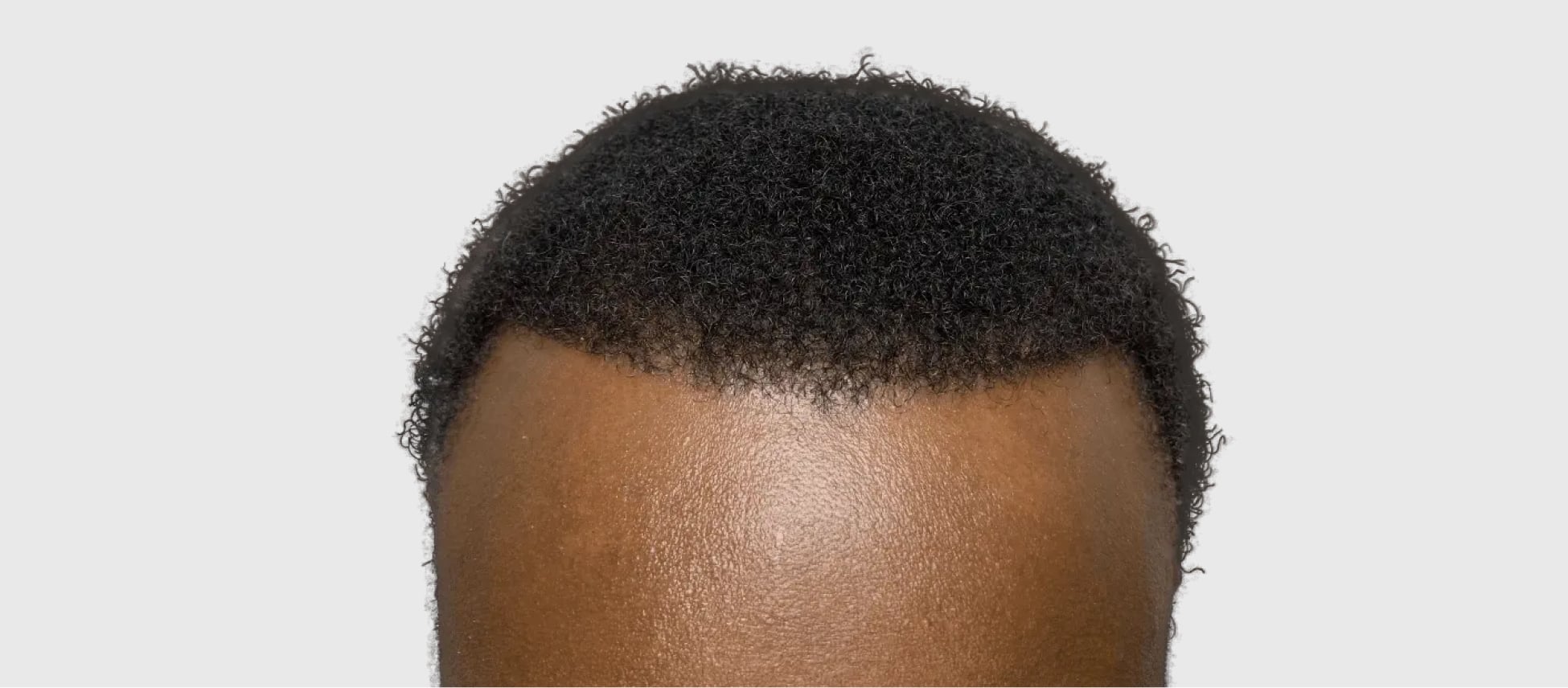
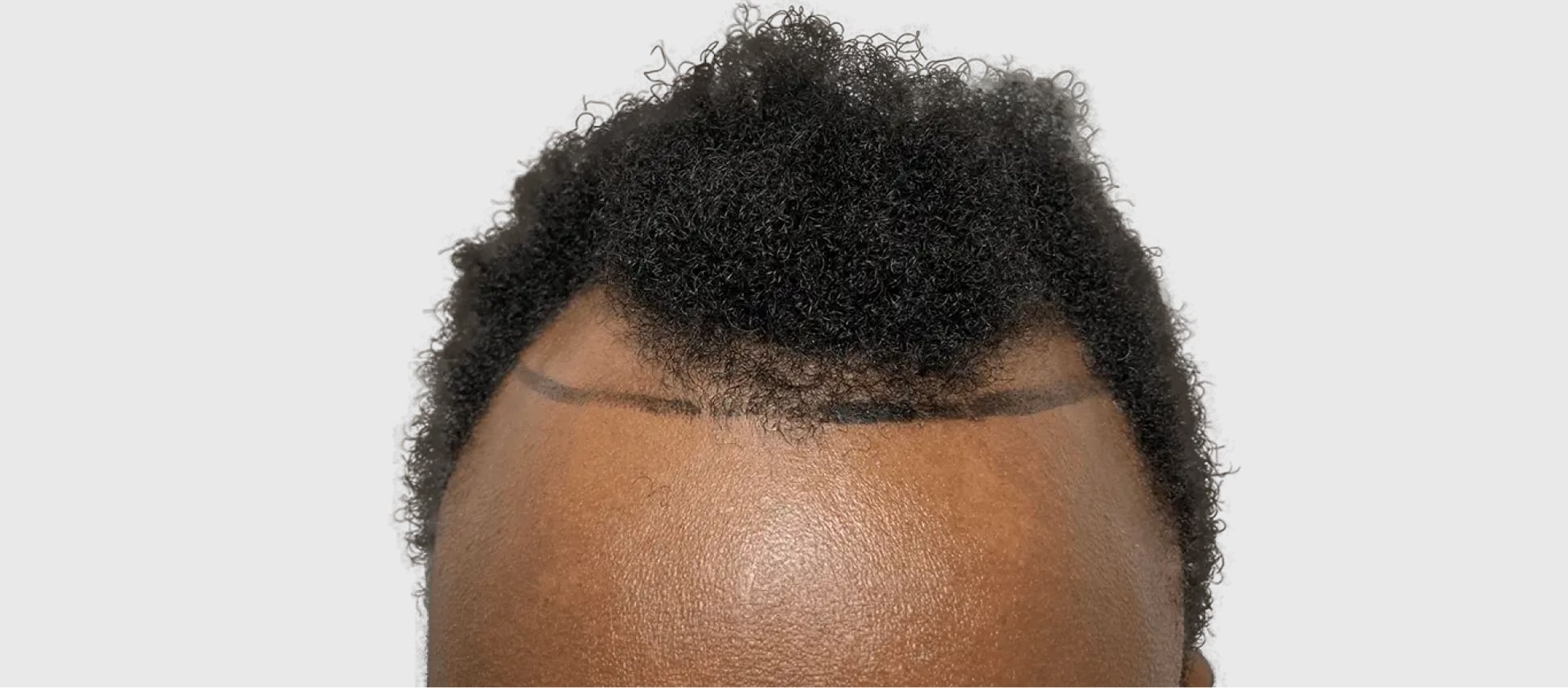
What Is Collagen Induction Therapy (CIT)?
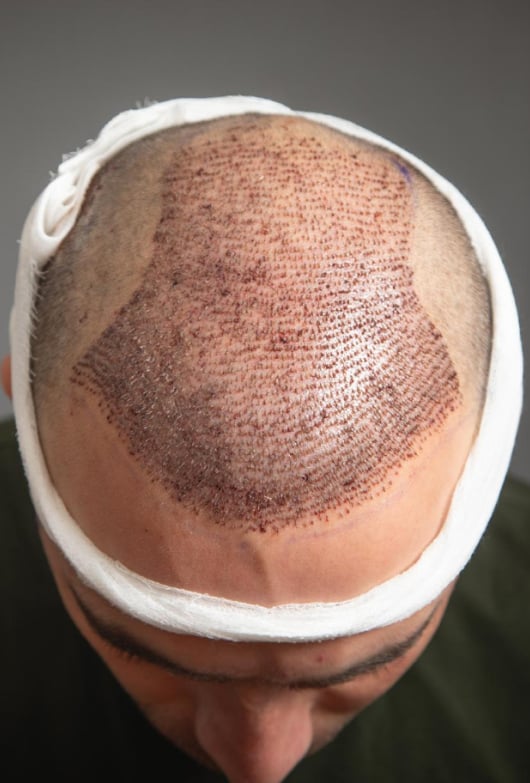
Collagen Induction Therapy (CIT) is a minimally invasive, regenerative hair restoration treatment that uses controlled microneedling to stimulate healing, increase scalp collagen, and support stronger, healthier hair growth. CIT creates thousands of micro-channels in the scalp, prompting the body to release natural growth factors, increase blood flow, and activate follicles that have become weak or dormant.
Read More
Types of Collagen Induction Therapy (CIT)
Why Choose maxim for Collagen Induction Therapy (CIT)
At maxim hair restoration, CIT is not treated as a basic cosmetic add-on—it is performed as a medical procedure overseen by clinicians and doctors who specialize exclusively in hair and scalp health.
Every CIT session is handled by clinicians trained in medical microneedling specifically for hair restoration—not general skincare providers.
Our hybrid team brings international microneedling techniques, regenerative therapy knowledge, and American medical quality standards.
Our Gallery
Proven outcomes backed by experience and expertise


Advantages of Collagen Induction Therapy (CIT)

Non-Surgical & Minimal Downtime
No incisions, no shaving, and no disruption to your daily routine.

Improves Hair Density & Strength
CIT supports thicker, fuller hair by activating scalp repair pathways.

Boosts Scalp Health
Increases collagen, improves circulation, clears minor inflammation, and enhances nutrient delivery.

Enhances Other Treatments
Works synergistically with minoxidil, ACP, Exo Therapy, SMP, and transplant procedures.

Comfortable Experience
Most clients feel mild pressure only—topical anesthesia is available.
CIT Technologies

Motorized Microneedling Systems
Medical-grade devices with electronically controlled depth for accuracy, uniformity, and safety.

14-Needle Medical Cartridges
Fine needles designed to reach the intradermal layer where follicles receive the most benefit.

Serum-Enhanced Delivery Channels
CIT naturally increases absorption, allowing specialized hair serums to penetrate and work effectively.

Depth-Specific Microneedling Patterns
Customized for crown thinning, recession zones, diffuse loss, and transplant reinforcement.
Contact us
Our Specialized CIT Doctors & Clinicians
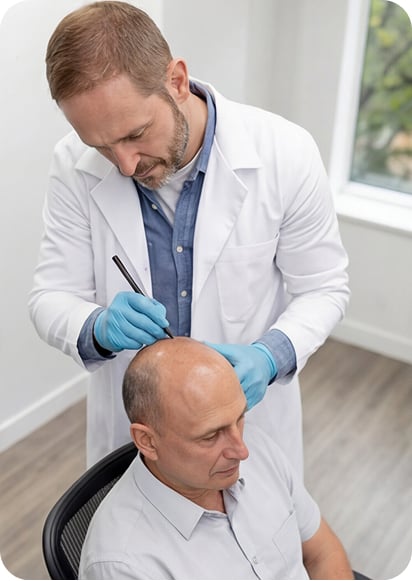
Our CIT procedures are handled by hair restoration specialists who use medical-grade microneedling specifically designed for the scalp—not cosmetic estheticians and not generic skin-care providers.
Each clinician is trained to evaluate scalp thickness, follicle health, blood flow, and sensitivity to determine the appropriate needle depth and pattern.
Read More
Preparing for Your CIT Journey
A successful crown procedure starts long before you sit in the chair. Preparation helps your scalp, donor area, and overall health support the best possible result.

Initial Consultation
Review your goals, medical history, hair loss pattern, and determine if CIT is your best approach.

Pause Certain Medications
You may be advised to stop blood thinners, vitamin E, or anti-inflammatory drugs temporarily.

Arrive with a Clean Scalp
Use shampoo only—no conditioner, gel, oils, or styling products.

Hydrate Well
Proper hydration supports better healing and overall scalp response.
Avoid Alcohol & Smoking
Helps maximize blood flow and speeds healing.
Procedure Details & Duration
A little preparation goes a long way in ensuring success

Collagen Induction Therapy is performed in a comfortable outpatient setting. A topical anesthetic is applied to reduce sensitivity. Once the scalp is numb, your clinician uses a medical microneedling pen with sterile 14-needle cartridges set to a customized depth—typically 0.25 to 2.5 mm depending on your scalp thickness and density goals.

The device moves across the scalp in a controlled pattern, creating micro-channels that trigger growth factor release and collagen production. After microneedling, a soothing balm or healing serum is applied to calm the scalp and enhance absorption.
A typical session lasts 30–60 minutes, and you can return to work the same day.
Recovery & What to Expect Next
A little preparation goes a long way in ensuring success

Immediate Redness
You may notice mild tightness, soreness, or swelling around the crown and Read More
Minimal Downtime
Most clients resume normal activity immediately, avoiding exercise for 24 hours.
Boosted Absorption
Your scalp will absorb serums and medications more effectively for 24 hours.
Early Changes
Hair may feel stronger and healthier within 4–6 weeks.
Visible Improvement
Most clients see noticeable changes in 90 days after completing a treatment series.
Maintenance
CIT can be repeated monthly or quarterly depending on your goals.
Frequently Asked Questions
Helpful information to guide your hair restoration decisions.

Blogs
Insights, guides and updates from the world of hair restoration.