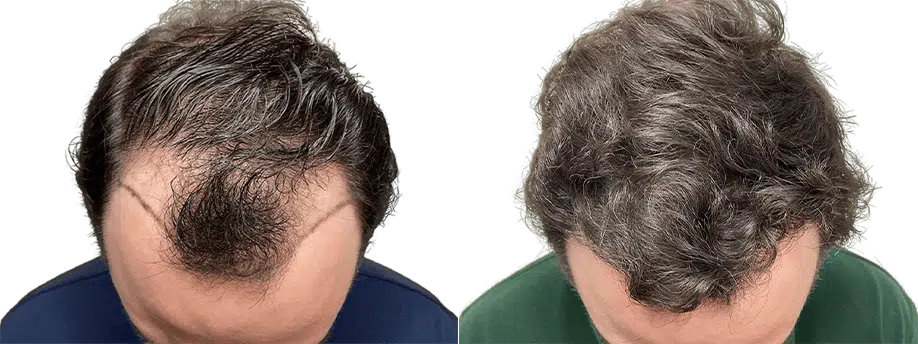
Behind the Scenes: How Maxim Builds a “Quality Moat”
If you’ve spent any time researching hair transplant clinics, you’ve probably seen three different models emerge:
1. Volume-driven, low-cost providers
2. Premium, outcome-focused practices
3. The Median – Combination of Affordability + Quality
The first competes merely on price. The second competes on doctor-name and outcomes. The third tries to achieve reasonability.
Recently, our CEO, Mac Fadra of Maxim Hair Restoration, was interviewed on TechBullion about how Southeast Asia is shifting the narrative in medical tourism, from commodity pricing to quality, driven care. That interview wasn’t about vanity metrics. It was about patient outcomes, risk profiles, and the real economics of long-term hair transplant success.
Here’s the deal: quality isn’t just a buzzword. It’s a moat.
And in a crowded, noisy industry, your quality moat determines whether a clinic survives or gets left behind.
The Commodity Trap in Hair Transplants
For years, Turkey has dominated hair transplant tourism. How? They perfected the low-price, high-volume model. But there’s a catch.
By slashing prices and reducing medical oversight, the model opened the door for under-qualified technicians, rather than certified doctors, to perform surgical procedures such as hair transplants. In the vast majority of cases, technicians and not surgeons are performing anesthesia, graft extractions, surgical recipient sites and graft placements/implantation. The result? Complications such as overharvesting, necrosis, acute infection, unnatural hairlines, and sometimes worse. Your donor area could be butchered for life and when you get older and need more hair, there’s nothing there, not to mention a whacky hair pattern on your scalp. Essentially, it’s a one-and-done approach. Furthermore, there’s little to no follow-up/post-op care.
That’s not a theory. It’s now becoming public knowledge and that’s creating a flight to quality. Patients are no longer satisfied with cheap and fast. They want safe, natural, long-lasting results.
That’s where the idea of a quality moat becomes more than semantics. It becomes a competitive advantage.

What Is a Quality Moat in Hair Restoration?
In business, a moat protects long-term advantage. In hair restoration, a quality moat protects patient outcomes, results and long-term satisfaction.
At Maxim Hair Restoration, that moat is built on a system, SOPs and structure, not a single technique. It includes physician/clinician-led care, pre-op assessments, post-op care, natural hairline design, disciplined donor area harvesting, strict clinical protocols and SOPs, and regimented aftercare both immediately following the procedure and long-term. Together, these standards and protocols create consistent, predictable results that hold up over time. In other words, quality isn’t just a claim. It’s the operating model at Maxim.
Surgeon-Led Care
A hair transplant is a minor surgical procedure, not a cosmetic service. That’s why Maxim procedures are led end-to-end by board-certified physicians, surgeons and clinicians with extensive medical aesthetics and cosmetic surgery experience. These medical professionals are directly responsible for consultations, procedure planning, pre-op care, medical history review & assessment, harvesting and graft extraction, recipient site creation, intraoperative care, and both short-term and long-term post-op care and follow-up. This reduces medical risk, enhances patient management, improves graft survival, and delivers predictable outcomes.
Long-Term Planning
Hair loss is progressive. Planning for today without considering the next 10 to 15 years or more is how unnatural results happen. The doctors & clinicians at Maxim take a future-first approach, designing age-appropriate natural hairlines, accounting for genetic hair loss patterns, and preserving donor hair for potential future procedures. The goal is results that still look natural years down the line, not just immediately after surgery.
Natural Hairline Design
Natural results come from respecting anatomy, not following templates. Maxim combines artistic judgment with clinical precision to design hairlines that suit facial structure, age, ethnicity, and natural growth patterns. The result is hair that looks authentic in real life, not just in photos. One of the downsides of the low-cost mills is that they produce a one-size- fits-all straight hairline for all clients which looks unnatural and doll-like.
Strategic Donor Management
Donor hair is a limited resource. Once it’s gone, it’s gone.
The doctors & clinicians use cutting-edge donor harvesting and extraction techniques such as Sapphire FUE and the WAW FUE system to protect donor integrity, minimise visible thinning or scarring, and preserve options for the future. This ensures long-term flexibility and superior outcomes.
Clinical Sterility and Technique
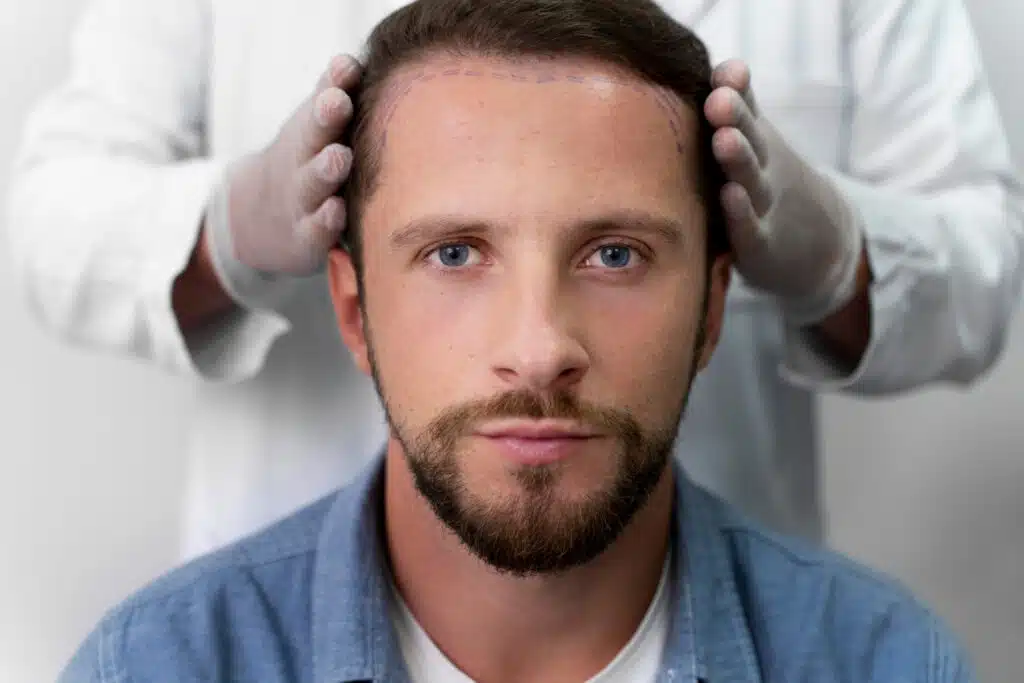
Hair transplantation demands medical-grade standards. Strict sterile protocols, controlled surgical environments, and certified clinical teams reduce complications and improve graft survival. At Maxim Hair Restoration, clinical discipline is foundational, not optional. Aside from all of this, Maxim provides clear post-operative guidance, scheduled follow-ups, and ongoing patient support throughout the growth cycle. This improves healing, manages expectations, and increases long-term satisfaction.
How Systems and Technology Support Quality
In his recent interview, Maxim Hair Restoration’s CEO, Mac Fadra, highlighted a key reality for healthcare providers: competing globally requires stronger systems and protocols, not just lower prices.
At Maxim Hair Restoration, technology plays a clear role. It doesn’t replace expertise. It supports it.
Specifically, technology is used to:
- Improve clinical precision
- Standardise quality checkpoints
- Provide efficacious long-term care.
This includes digital case planning, outcome tracking, patient engagement tools, and long-term satisfaction analytics. The goal is simple: make quality consistent and measurable.
Unlike commoditised clinics that use technology and A.I. as a marketing gimmick, Maxim uses it as a quality multiplier.
At Maxim Hair Restoration, we are piloting the use of A.I.-based diagnostic tools to analyze hair loss patterns, assesses donor area capability, compute existing hair density, plan a zone-centric hair transplant procedure which determines how many grafts can be implanted in which zones and essentially develop a road map for success.
Patients are more informed than ever.
In his recent interview, Maxim Hair Restoration’s CEO, Mac Fadra, highlighted a key reality for Southeast Asian healthcare providers: competing globally requires stronger systems, not just lower prices.
At Maxim, technology plays a clear role. It doesn’t replace expertise. It supports it.
Low prices may drive short-term enquiries, but long-term success is driven by outcomes. Quality results lead to:
- Referrals
- Reviews
- Repeat patients
- Brand credibility
As Mac Fadra explained, the high-volume, low-cost model is under pressure because risk is now visible. Patients are no longer guessing. They are choosing based on safety, predictability, follow-up, long-term care, and trust.
Clinics that compete on price struggle to build reputation because they do not have enough margin to offer pre and post-op care that is essential. They also don’t have the budget to afford a physician or clinician to manage the patient during the procedure which, in turn, leads to higher medical risk for the patient. Clinics that deliver repeatable quality build brands that last.
That’s the advantage of a moat.
The Maxim Difference
If you’re choosing a hair restoration provider, the question is simple:
Are they selling a procedure? Or delivering a predictable outcome?
Maxim Hair Restoration focuses on the latter. Because as Mr. Fadra highlighted in his interview, the reel advantage isn’t being cheaper, it’s being better and more comprehensive while providing total hair care, not just a one-and-done hair restoration procedure.