at Maxim Hair Restoration
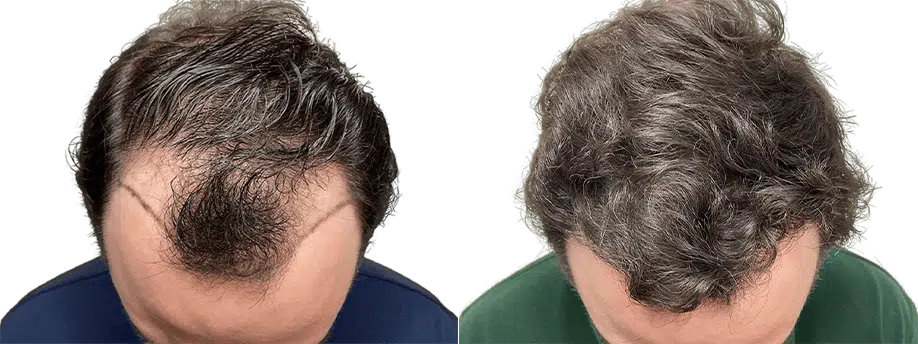
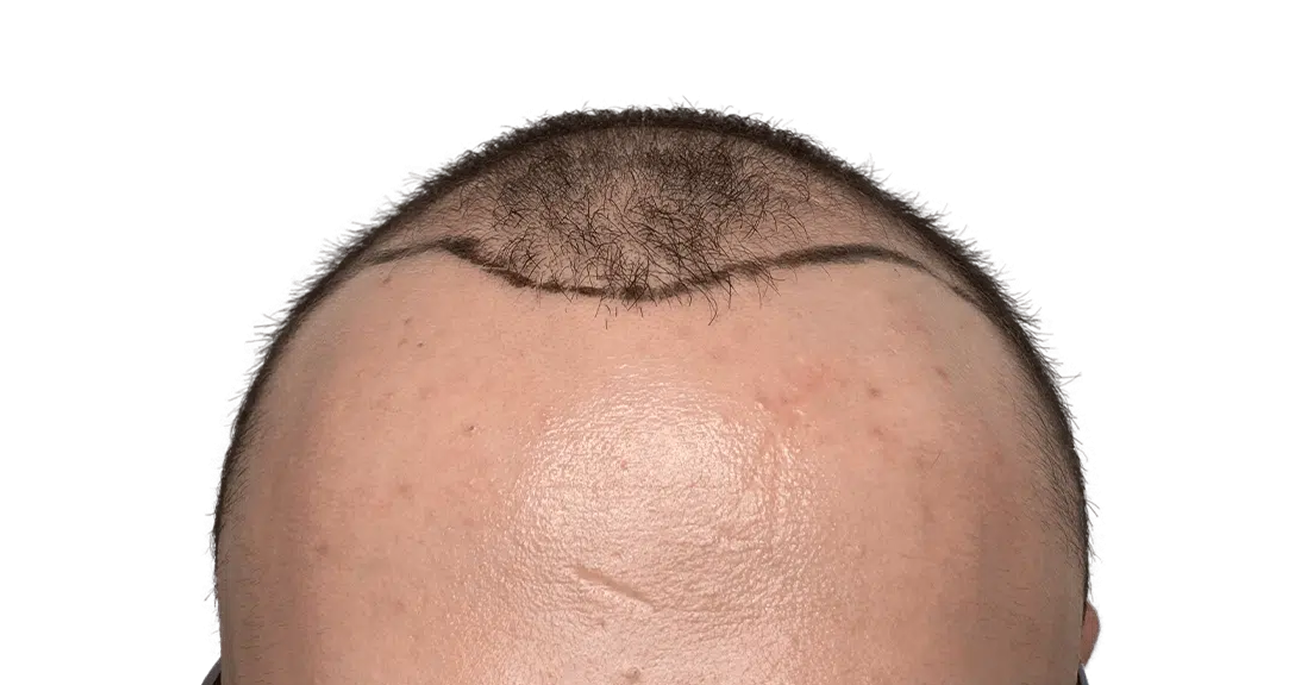
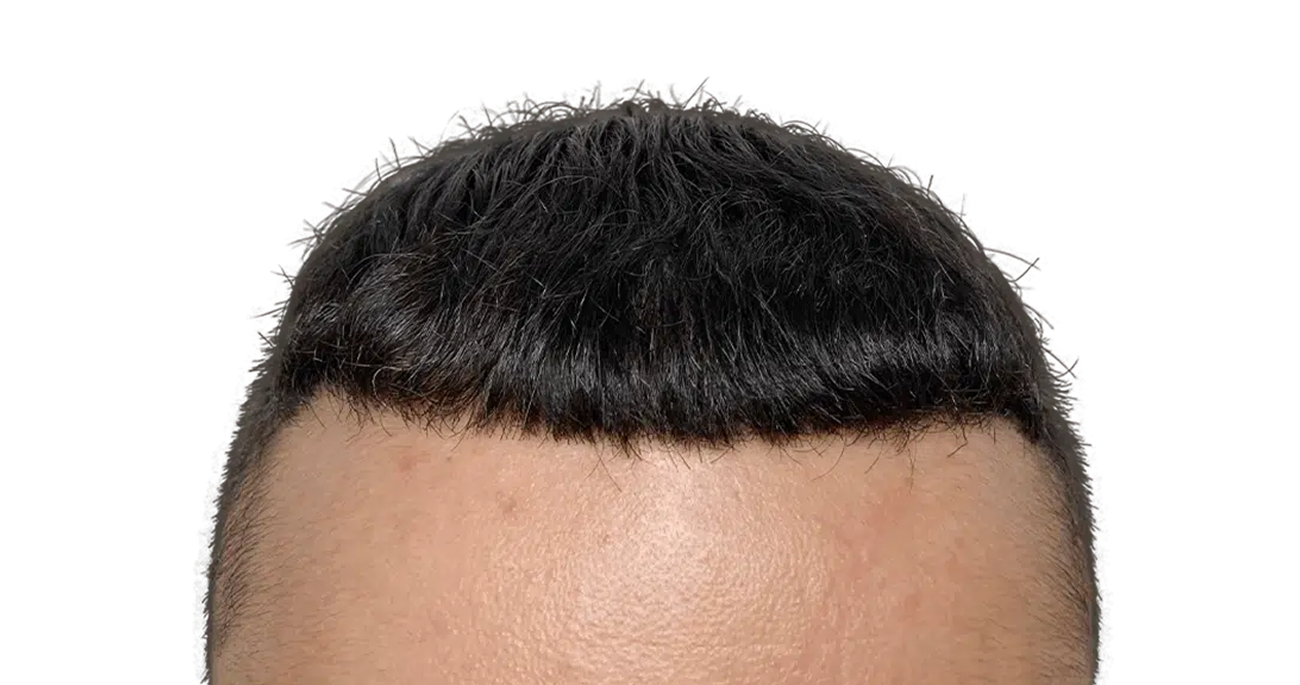
A crown hair transplant is a specialized hair restoration procedure focused on the back of the scalp—the circular “whorl” area that often thins first in male pattern baldness and can also affect some women. Because the crown has a spiral growth pattern and reflects light more easily when density is low, it requires a different strategy than restoring a frontal hairline.
Read More
Every crown is different. Some clients have a small “bald spot” in the vertex, others have diffuse thinning that spreads from the crown forward. At maxim hair restoration, we tailor the method to your pattern, donor quality, and lifestyle using a range of advanced transplant approaches:
Crown restoration is one of the most technically demanding areas in hair transplant surgery. At maxim hair restoration, our teams have specific experience with the vertex and whorl region, which allows us to design crown procedures that look natural from every angle.
Crown cases at maxim are planned and overseen by physicians who work exclusively in hair restoration. Many bring international experience and advanced training in complex vertex work, so your procedure benefits from both American medical standards and global best practices.
For crown work, the angle of each incision matters. Sapphire blades and micro punches allow us to control direction, depth, and spacing with high precision, which is key to recreating the spiral pattern and maximizing the visual impact of every graft.
Proven outcomes backed by experience and expertise
Many people first notice thinning in photos or mirrors taken from behind. Focusing on the crown can Read More
Increased density in the crown makes short haircuts, fades, and up-dos far more forgiving. Many clients find Read More
Transplanted follicles taken from the permanent donor zone are usually resistant to the hormones that Read More
When done properly, a crown transplant restores the natural swirl and flow of your hair instead of a Read More
Crown hair transplantation can be paired with non-surgical treatments such as ACP, medications, or Read More
In crown surgery we create tiny, angled recipient sites that follow the spiral of your natural whorl. Read More
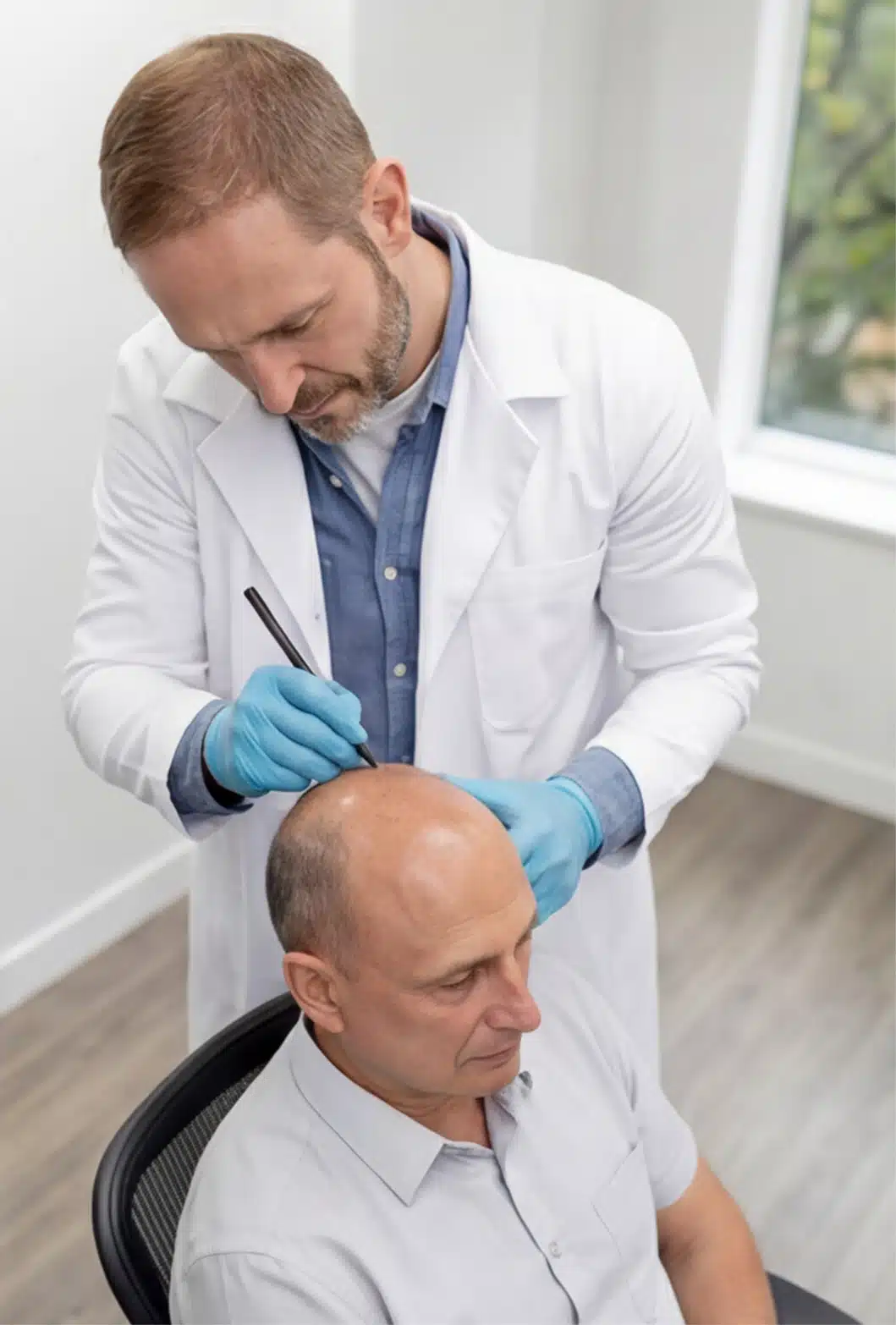
We use detailed photos and digital mapping to study the size of your crown, density around it, and Read More
Crown procedures can involve a large number of grafts placed in a tight area. We store harvested Read More
Our teams blend manual extraction and implantation methods with advanced devices. Read More
Our specialized crown hair transplant doctors and clinicians focus on one of the most technically demanding areas of hair restoration: the vertex and whorl.
At maxim hair restoration, your crown case is planned and overseen by experienced physicians who work exclusively in hair loss and transplantation, not general cosmetic procedures.
They carefully study your hair pattern, donor density, and long-term hair loss risk to design a crown strategy that looks natural today and continues to age well over time. Each doctor works closely with a trained clinical team that prepares and places grafts under magnification, paying attention to the angle, direction, and density of every follicle so your new crown blends seamlessly with your existing hair. From your first consultation through your final follow-up, you are guided by a team that understands crown-specific challenges and is committed to restoring coverage, confidence, and a natural-looking swirl at the back of your head.
A successful crown procedure starts long before you sit in the chair. Preparation helps your scalp, donor area, and overall health support the best possible result.
We begin by reviewing your medical history, medications, and family hair loss Read More
You may be asked to pause certain blood thinners or supplements, avoid alcohol Read More
Depending on the technique, we may recommend trimming or shaving part of Read More
Most crown procedures are done in a single day. Arrange transportation if recommended and try to keep the next few days light in terms of work and social obligations. Many clients return to office work quickly but appreciate having a quiet first day or two at home.
A little preparation goes a long way in ensuring success
On the day of your crown hair transplant, you will review the plan with your doctor, have pre-procedure photos taken, and sign any remaining consents. The process then follows several stages:
Read More
Depending on the number of grafts and techniques used, a crown procedure typically lasts anywhere from 4 to 8 hours. You will be able to relax, listen to music, watch a show, or nap throughout most of the day. After a brief review of after-care instructions, you will go home the same day.
A little preparation goes a long way in ensuring success
You may notice mild tightness, soreness, or swelling around the crown and Read More
The scabs typically fall off within 7–10 days. Some transplanted hairs will shed, Read More
Early new growth begins as fine hairs that gradually thicken. At this Read More
The crown fills in more visibly, and styling becomes easier. This is often the Read More
Final results are generally seen by 12 months, with some continued refinement Read More
Crown transplants are safe when performed by experienced professionals, but like any medical procedure, there are potential pitfalls—especially in the vertex area. Understanding these helps set realistic expectations and highlights why physician-led care matters.
Placing too many grafts too tightly in the crown can compromise blood flow and increase the risk of poor growth. At maxim, we balance density with vascular safety, often staging treatment in larger crowns rather than forcing all grafts into one very tight zone.
We measure donor density, map the extraction pattern, and plan graft counts responsibly to protect long-term donor health.
If only the bald spot is filled and surrounding thinning regions are ignored, you may later develop a “halo” or island of hair. We design crown plans with future loss in mind and may suggest non-surgical support or staged transplants to keep your result looking natural long term.
We measure donor density, map the extraction pattern, and plan graft counts responsibly to protect long-term donor health.
Misaligned angles in the crown can create a “spoked wheel” or flat pattern that does not blend with existing hair. Our doctors carefully reconstruct your swirl based on pre-procedure photos, remaining hairs, and your age-appropriate pattern.
We measure donor density, map the extraction pattern, and plan graft counts responsibly to protect long-term donor health.
Poor graft handling, dehydration, or inconsistent placement depth can reduce survival rates. We protect follicles with chilled preservation and gentle handling and standardize our implantation techniques to support even growth.
We measure donor density, map the extraction pattern, and plan graft counts responsibly to protect long-term donor health.
Overharvesting from a small donor pool can leave the back and sides of the head looking sparse. Before your procedure we measure donor density and set graft limits, especially in clients who may need future work elsewhere.
We measure donor density, map the extraction pattern, and plan graft counts responsibly to protect long-term donor health.
While some redness is normal, prolonged irritation can indicate sensitivity, inflammation, or overly aggressive technique. If this occurs, we adjust care, recommend specific products, and, when needed, modify future treatment plans to protect your scalp.
We measure donor density, map the extraction pattern, and plan graft counts responsibly to protect long-term donor health.
Helpful information to guide your hair restoration decisions.