Which Vitamin Deficiency Causes Hair Loss?
Beautiful, luscious hair is often associated with vitality and confidence. However, hair loss is a common concern that affects many people of all ages, genders, and backgrounds. While several factors can contribute to hair loss, one often overlooked aspect is the role of vitamin and mineral deficiencies in maintaining healthy hair.
Key Takeaway
- A balanced diet and medical advice help prevent and treat deficiency-related hair loss.
- Vitamin deficiencies (especially D and B vitamins) can cause hair thinning and shedding.
Table of contents
- Key Takeaway
- The Basics of Healthy Hair Growth
- The Role of Vitamins in Hair Health
- Vitamin Deficiency and Hair Loss
- Tips for Preventing Hair Loss Due to Vitamin Deficiency
- Seeking Professional Guidance
- The Importance of Adequate Nutrition
- Lifestyle Factors and Hair Health
- Balanced Use of Vitamins
- Patience and Realistic Expectations
- Embracing Change and Self-Care
- Stay Informed and Evolve
- Conclusion
The Basics of Healthy Hair Growth
Before diving into the impact of vitamin deficiency on hair loss, let’s briefly discuss how healthy hair grows. Hair growth occurs in cycles, including the anagen (growth) phase, catagen (transition) phase, and telogen (resting) phase, with a normal amount of hair shedding during the rest phase. Each hair follicle operates independently, going through this hair growth cycle at different times. For optimal hair health, various factors, including genetics, diet, and overall health, play essential roles.
The Role of Vitamins in Hair Health

Vitamins are essential micronutrients that support various bodily functions, including hair growth and maintenance. They aid in the formation of collagen, a protein crucial for healthy hair structure, as well as in the protection of hair follicles from damage caused by free radicals. Several vitamins have gained prominence due to their influence on hair health, and deficiency in these vitamins can contribute to hair loss.
Vitamin Deficiency and Hair Loss
Let’s delve into some of the key vitamin and mineral deficiencies and their impact on hair loss:
Vitamin D Deficiency
Often referred to as the “sunshine vitamin,” vitamin D plays a significant role in the hair growth cycle and maintaining healthy hair density. Research has indicated that individuals with low levels of vitamin D may experience hair thinning and increased hair shedding.[1] Vitamin D receptors are present in hair follicles, and deficiency can disrupt the hair growth cycle causing non-cyclical hair shedding.
Vitamin B Deficiency
The B-vitamin complex includes a range of vitamins such as Biotin (B7), Niacin (B3), and Cobalamin (B12), which are known to promote healthy hair growth and prevent hair loss. Biotin, in particular, is often recommended for strengthening hair and improving its texture.
Vitamin A Deficiency
Vitamin A is essential for the production of sebum, an oily substance that moisturizes the scalp and prevents hair from becoming dry and brittle. A deficiency in vitamin A can lead to a dry scalp, which might contribute to hair loss.
Vitamin E Deficiency
Vitamin E is known for its antioxidant properties, which help protect hair follicles from oxidative stress[4]. It improves blood circulation in the scalp, promoting the delivery of essential nutrients to hair follicles.
Iron Deficiency
Iron deficiency anemia affects red blood cell formation and can cause hair loss by disrupting the body’s ability to deliver oxygen and nutrients to hair follicles. Prolonged iron deficiency can often cause hair loss and slow hair regrowth. Thankfully, iron deficiency related hair loss is often reversible with proper nutrition or iron supplements.
Vitamin C Deficiency
Vitamin C helps with iron absorption and immune system support, it also acts as an antioxidant to prevent oxidative stress on your hair follicles to prevent hair loss. A deficiency can lead to dry and brittle hair, as well as increased excessive hair shedding.
Tips for Preventing Hair Loss Due to Vitamin Deficiency
Maintaining a balanced diet rich in essential vitamins and minerals is crucial for healthy hair growth. Here are some dietary and lifestyle tips to help prevent hair loss due to vitamin and mineral deficiencies:
- Consume a variety of nutrient-dense foods, including fruits, vegetables, lean proteins, whole grains, and healthy fats.
- Consider incorporating foods rich in biotin, like eggs, nuts, and seeds.
- Spend some time outdoors to naturally increase your vitamin D levels.
- Consult a healthcare professional before starting any vitamin supplements.
Seeking Professional Guidance

If you’re experiencing significant hair loss or suspect vitamin deficiency as the cause, it’s essential to consult a healthcare provider or a dermatologist. They can assess your condition, recommend appropriate tests, and provide personalized guidance to address your specific needs.
A healthcare professional will conduct a thorough evaluation of your medical history, perform relevant blood tests, and potentially recommend a scalp examination to determine the underlying cause of your hair loss. Keep in mind that while low vitamin levels might lead to hair loss and slower hair growth, it’s not the only factor. Other factors like hormonal imbalances, autoimmune diseases (such as lupus or alopecia areata), genetics, stress, and underlying medical conditions could also play a role.
The Importance of Adequate Nutrition
While we’ve explored the impact of specific vitamin deficiencies on hair health, it’s important to emphasize the role of overall nutrition in maintaining luscious locks. Dietary supplements can be useful, but they shouldn’t replace a balanced diet. A well-balanced diet that includes a variety of vitamins, minerals, proteins, and healthy fats is crucial for vibrant hair.[3].
- Omega-3 Fatty Acids: These essential fatty acids contribute to scalp health by reducing inflammation and promoting blood circulation. Including sources like fatty fish, flaxseeds, and walnuts in your diet can aid in maintaining a healthy scalp environment.
- Protein: Hair is primarily composed of a protein called keratin and L-lysine and L-methionine are two essential amino acids for hair that can be found in meat. A diet rich in protein from sources like lean meats, poultry, beans, and lentils provides the building blocks necessary for hair growth and repair.
- Zinc: This mineral supports the hair growth and repair cycle. Zinc deficiency can lead to hair thinning and slow growth. Incorporate zinc-rich foods like nuts, seeds, whole grains, and dairy products into your diet.
Lifestyle Factors and Hair Health
Vitamin deficiency isn’t the sole factor influencing hair health. Lifestyle choices also play a significant role. Excessive stress, lack of sleep, and exposure to pollutants can contribute to hair loss. Practicing stress-reduction techniques, ensuring adequate sleep, and protecting your hair from environmental damage are all essential.
Balanced Use of Vitamins
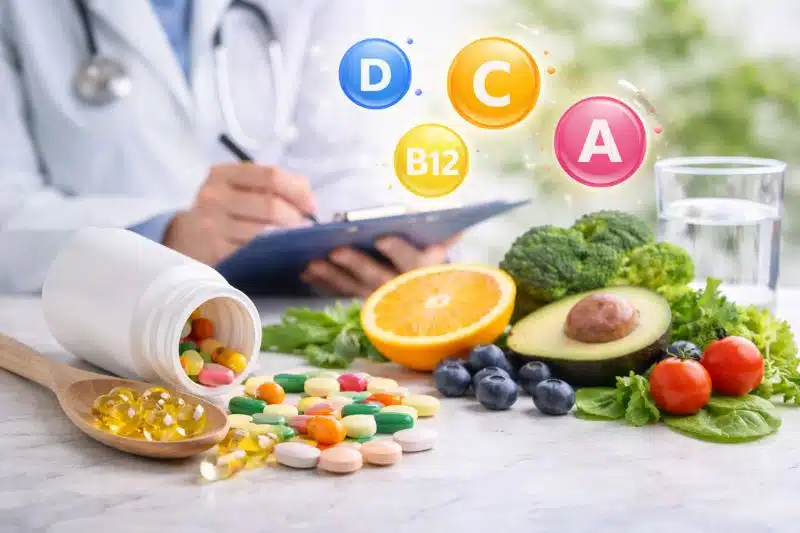
While it’s important to address vitamin deficiencies, it’s equally crucial not to overdo it with supplements. Excess vitamin consumption can lead to adverse effects and even potential toxicity poisoning. Always consult a healthcare professional before starting any new supplements to ensure you’re taking the right doses.
Patience and Realistic Expectations
Addressing hair loss due to vitamin deficiency or other causes requires patience. Hair growth is a slow process, and results may not be immediate. It’s essential to maintain realistic expectations and continue a healthy routine consistently.
Embracing Change and Self-Care
Hair loss, regardless of the cause, can be emotionally challenging. It’s important to remember that thinning hair does not define your worth. Embrace your natural beauty, and focus on self-care and confidence-building activities that make you feel good from within.
Stay Informed and Evolve
Scientific research is ongoing, and our understanding of hair health continues to evolve. Stay updated on the latest findings and recommendations to support hair growth. Regular visits to healthcare professionals, including dermatologists, can keep you informed about the best practices for maintaining healthy hair.
Conclusion
In conclusion, the health of your hair is influenced by a variety of factors, including genetics, lifestyle, and diet. While vitamin deficiency isn’t the sole cause of hair loss, it can certainly contribute to the problem. By ensuring you consume a well-balanced diet rich in essential vitamins and minerals, you can promote healthy hair growth and prevent excessive hair loss. Remember, maintaining overall health is the key to maintaining your crowning glory.
Remember, the information provided in this blog is for informational purposes only. It’s crucial to consult a medical professional for accurate diagnosis.
If your hair loss is causing you distress, or if you are worried about how long treatments will take, why not book a free consultation with Maxim Hair for options on how to treat hair loss, as well as potential temporary and permanent cosmetic fixes to restore your everyday confidence.
FAQ
What are the Big 3 for Thinning Hair?
The “Big 3” hair treatments for treating both male pattern baldness and female pattern hair loss, are Minoxidil, Finasteride, and often Ketoconazole. The combination may block DHT, stimulate hair follicles, and improve scalp health.
What to Eat to Stop Hair Fall?
A diet rich in protein, iron, zinc, omega-3 fatty acids, and vitamin A, vitamin C, vitamin D, and E. Important vitamin-rich foods include eggs, leafy greens (spinach), fatty fish (salmon), nuts, seeds, citrus fruits, sweet potatoes, and avocados.
Is Biotin or B12 Better For Treating Hair Loss?
Vitamin B12 is good for your overall health and can play a role, but Biotin is more important for hair loss. A severe biotin deficiency can result in dry skin, thinning hair, and brittle nails. Biotin-rich foods include organ meats, egg yolks, salmon, nuts, seeds, and more.
When should I see a doctor about hair loss?
You should see a doctor if you believe your hair loss is excessive, if it is accompanied by other concerning symptoms, or if it is causing you a lot of distress. You may get referred to a hair loss specialist.
References:
- aini K, Mysore V. Role of vitamin D in hair loss: A short review. J Cosmet Dermatol. 2021 Nov;20(11):3407-3414. doi: 10.1111/jocd.14421. Epub 2021 Sep 22. PMID: 34553483.
- Yelich A, Jenkins H, Holt S, Miller R. Biotin for Hair Loss: Teasing Out the Evidence. J Clin Aesthet Dermatol. 2024 Aug;17(8):56-61. PMID: 39148962; PMCID: PMC11324195.
- Rushton DH. Nutritional factors and hair loss. Clin Exp Dermatol. 2002 Jul;27(5):396-404. doi: 10.1046/j.1365-2230.2002.01076.x. PMID: 12190640.
- Trüeb RM. Oxidative stress in ageing of hair. Int J Trichology. 2009 Jan;1(1):6-14. doi: 10.4103/0974-7753.51923. PMID: 20805969; PMCID: PMC2929555.