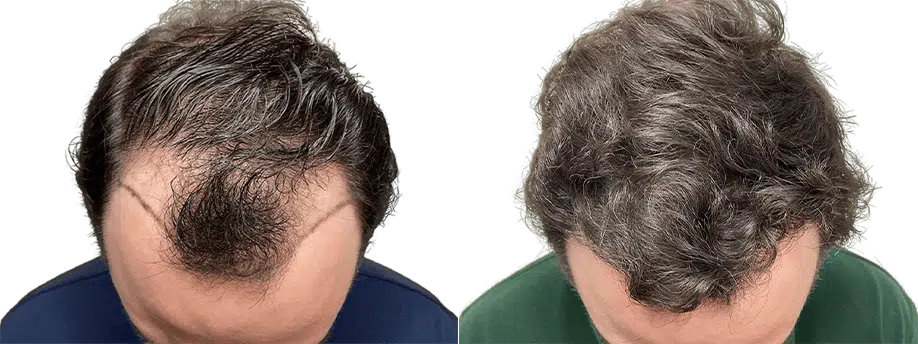
What is a normal amount of hair to lose per day?
Have you ever looked down at your brush, shower drain, or pillow and wondered, “Is this normal?” You’re not alone. Noticing hair shed throughout the day can be unsettling, and it’s one of the most common reasons people start worrying about hair loss.
The good news is that some daily hair shedding is completely normal, and in most cases, it’s simply part of your hair’s natural growth cycle. Understanding what’s considered a normal amount of hair to lose per day can help you separate everyday shedding from signs of a potential problem.
In this guide, we’ll break down how the hair growth cycle works, how much hair loss is normal, what factors can influence shedding, and when hair loss may be worth a closer look. You’ll also find practical tips for supporting healthy hair and reducing excessive shedding.
Key Takeaway
Most people normally lose 50–100 hairs per day. This level of shedding is part of the natural hair growth cycle and is not a sign of balding unless you notice sudden increases, visible thinning, or patchy loss.
Understanding the Hair Growth Cycle
The human scalp houses an estimated 100,000 to 150,000 hair follicles, each with its own life cycle. Hair growth follows a cyclical pattern consisting of three primary phases: anagen, catagen, and telogen.
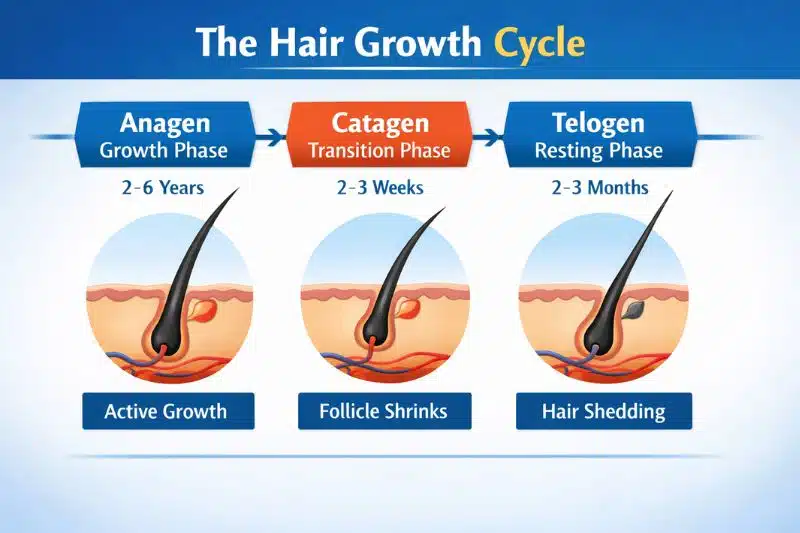
- Anagen Phase: This is the active growth phase that lasts for several years, during which new hair grows from hair follicle produces new hair. Your hair will spend most of its time in this growing phase, but some factors can interrupt the natural cycle and cause it to enter the next stage prematurely.
- Catagen Phase: This is the transition phase of the hair cycle that lasts for a couple of weeks. The hair follicle detaches from the blood supply, and hair growth stops.
- Telogen Phase: This is the resting phase that lasts for around three months. During this phase, the hair follicle is dormant, and the old strands of hair eventually fall out. The dormant follicles will continue to rest until the next anagen phase.
It’s essential to recognize that hair shedding is a natural part of the hair growth cycle, and some amount of hair loss is entirely normal.
How Much Hair Loss is Normal?
The amount of hair loss considered normal can vary from person to person, but during routine hair shedding, individuals typically shed between 50 to 100 hairs per day. Factors such as age, sex, genetics, and overall health play a role in determining the amount of hair loss experienced.
- Age: As we age, the hair growth cycle can slow down, and hair follicles may produce thinner and more fragile hair. This can result in increased hair shedding, but it’s typically not a cause for concern unless it becomes excessive.
- Sex: Men and women may experience different patterns of hair loss due to hormonal differences. For instance, men often experience male pattern baldness, which is a hereditary condition that results in a receding hairline and thinning crown. Women may experience diffuse hair loss throughout the scalp, often associated with hormonal fluctuations like postpartum or menopause.
- Genetics: Family history can significantly impact your likelihood of experiencing hair loss. If permanent hair loss runs in your family, you may be more prone to similar issues.
- Overall Health: Underlying health conditions, nutritional deficiencies, and certain medications can also contribute to hair loss. Examples include thyroid conditions, severe cases of iron deficiency, or some birth control pills. Managing these health issues can help reduce excessive hair shedding.
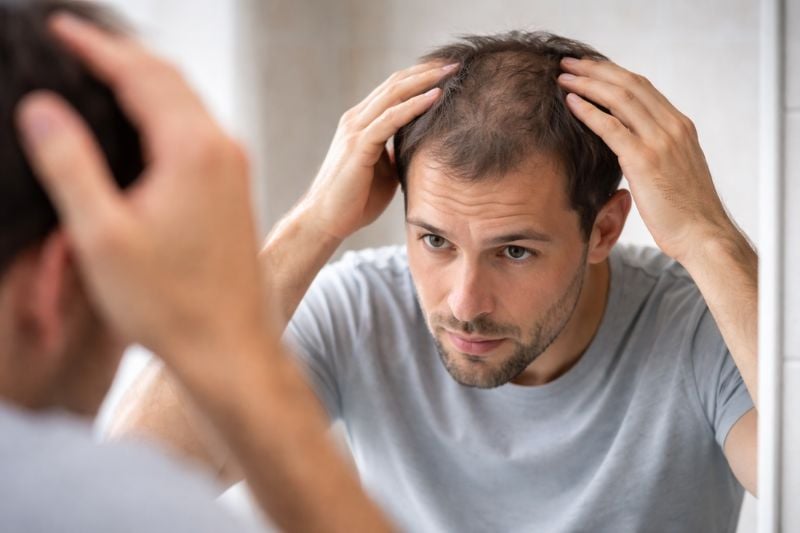
When to Be Concerned?
While losing some hair daily is normal, certain signs may indicate excessive hair loss, requiring further investigation. These signs include:
- Sudden Increase in Hair Loss: If you notice a sudden and substantial increase in hair shedding, it’s crucial to consult professional help, such as a dermatologist or health practitioner, to determine the underlying cause.
- Visible Bald Patches: If you observe bald patches or significant hair thinning in specific areas of your scalp, it could be a sign of alopecia areata, a condition where the immune system attacks hair follicles on the head or body, or other hair loss conditions that warrant attention.
- Hair Loss Accompanied by Itching or Pain: If your noticeable hair loss is accompanied by itching, pain, or redness of the scalp, these could be red flags that there is an underlying scalp condition that needs evaluation. Common scalp health issues include eczema and ringworm.
- Hair Loss Following a Trigger Event: Significant hair loss after a traumatic event, major surgery, or a major life change may indicate telogen effluvium, a condition in which a large number of hair follicles enter the telogen (resting) phase prematurely.
Tips for Maintaining Healthy Hair
While some hair loss is inevitable, you can take steps to promote healthy hair growth and minimize excessive shedding. Here are some practical tips to consider:
- Follow a Balanced Diet: Ensure your diet includes essential nutrients such as vitamins A, C, D, E, biotin, iron, zinc, and protein, as these play a vital role in maintaining healthy hair.
- Be Gentle with Your Hair: Avoid everyday habits that can cause damage, such as excessive brushing, harsh hairstyling, and tight hairstyles (e.g., tight ponytails) that may put stress on your hair and scalp.
- Protect Your Hair from Heat and Chemicals: Limit the use of high-heat styling tools and harsh chemicals, as they can damage the hair shaft and lead to breakage.
- Manage Stress: Chronic stress can contribute to hair loss. Engage in stress-reducing treatments such as meditation, yoga, or regular exercise to promote overall well-being.
- Avoid Smoking and Excessive Alcohol Consumption: Smoking and excessive alcohol intake can negatively impact hair health, so try to reduce or eliminate these habits.
- Regular Scalp Massages: Massaging your scalp regularly can stimulate blood flow to the hair follicles and promote hair regrowth.
- Use Mild Hair Care Products: Choose gentle and sulfate-free hair care products to prevent stripping the natural oils from your scalp and hair. See a doctor for a treatment plan if you suffer from scalp ringworm or eczema, as they may prescribe hair-safe topical solutions or shampoos to reduce itching and scratching.
- Get Adequate Sleep: Aim for 7-9 hours of quality sleep each night to support overall health, including hair health.

Conclusion
In conclusion, experiencing some hair loss on a daily basis is entirely normal, with most individuals shedding between 50 to 100 hairs per day. The hair growth cycle, genetics, age, sex, lifestyle factors, and overall health can all influence the amount of hair loss experienced by an individual.
While it’s natural to be concerned about hair loss, especially if you notice a sudden increase in shedding or bald spots, or other symptoms, it’s essential to remember that not all hair loss indicates a severe problem or permanent damage. However, if you have concerns about your hair loss, it’s advisable to consult a board-certified dermatologist or healthcare professional for a proper evaluation, diagnosis and professional treatment options.
By following the tips provided, you can support healthy hair growth and minimize excessive shedding, promoting the overall health and vitality of your hair.
Frequently Asked Questions
How do you tell if you are losing too much hair?
You may be losing too much hair if you notice:
- Sudden or rapid increases in daily shedding
- Thinning ponytail or widening part
- More scalp visibility
- Hair falling out in clumps
- Receding hairline or bald patches
A simple test: if you consistently shed well over 100–150 hairs per day or see progressive thinning over several weeks, it may indicate an underlying issue such as telogen effluvium, androgenetic alopecia, or a medical condition. A professional hair or scalp evaluation can determine the cause.
Is it normal to lose hair when running fingers through it?
Yes. It is normal to lose a few strands when running your fingers through your hair, especially if you have not washed or brushed it recently. These hairs are typically in the telogen (resting) phase and are ready to shed.
If dozens of hairs come out every time you touch your hair, or shedding is increasing noticeably, this may indicate excessive shedding.
How much hair loss is normal in the shower?
Losing 30–70 hairs in the shower is considered normal for most people. Washing loosens hairs that were already in the shedding phase, making hair loss appear more dramatic.
You may notice more shedding on days when you shampoo less frequently. Consistently seeing large clumps of hair or sudden increases in shower shedding may warrant professional evaluation.
Does hair shedding change with the seasons?
Yes. Many people experience increased hair shedding in late summer and early fall due to natural shifts in the hair growth cycle. This seasonal shedding is temporary and typically resolves within a few months.
Is it normal to lose more hair as you age?
Yes. Hair growth slows with age, and follicles may produce thinner hairs. Mild increases in shedding or reduced density are common over time.
Can stress really cause hair loss?
Yes. Physical or emotional stress can trigger telogen effluvium, a condition that pushes more hairs into the resting phase, leading to increased shedding several months later.
Does diet affect how much hair you lose?
Yes. Inadequate protein intake and deficiencies in iron, vitamin D, zinc, and other nutrients can contribute to increased hair shedding and weakened hair growth.
References:
- Sinclair R. D. (2015). Chronic telogen effluvium: a study of 5 patients over 7 years. Journal of the American Academy of Dermatology, 73(3), 393–397.
- Trueb, R. M. (2009). Oxidative stress in ageing of hair. International Journal of Trichology, 1(1), 6–14.
- Ramos, P. M. (2017). Evaluation of efficacy and safety of a water-soluble nutritional supplement in women with hair loss. Journal of Cosmetic Dermatology, 16(1), 91–98.
- Mayo Clinic. (2021). Hair Loss. Mayo Clinic.