at Maxim Hair Restoration
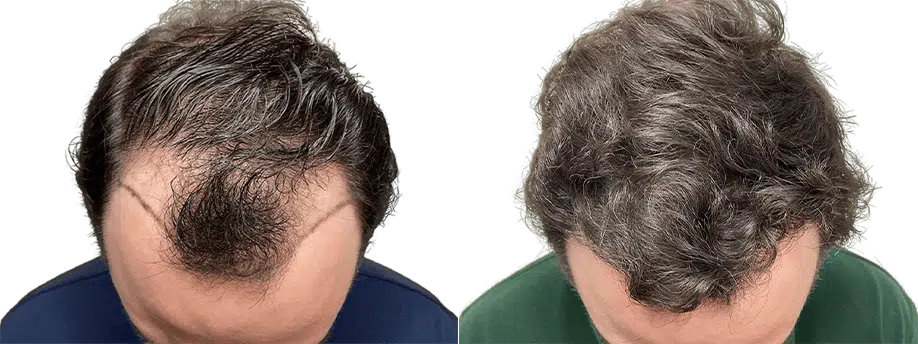
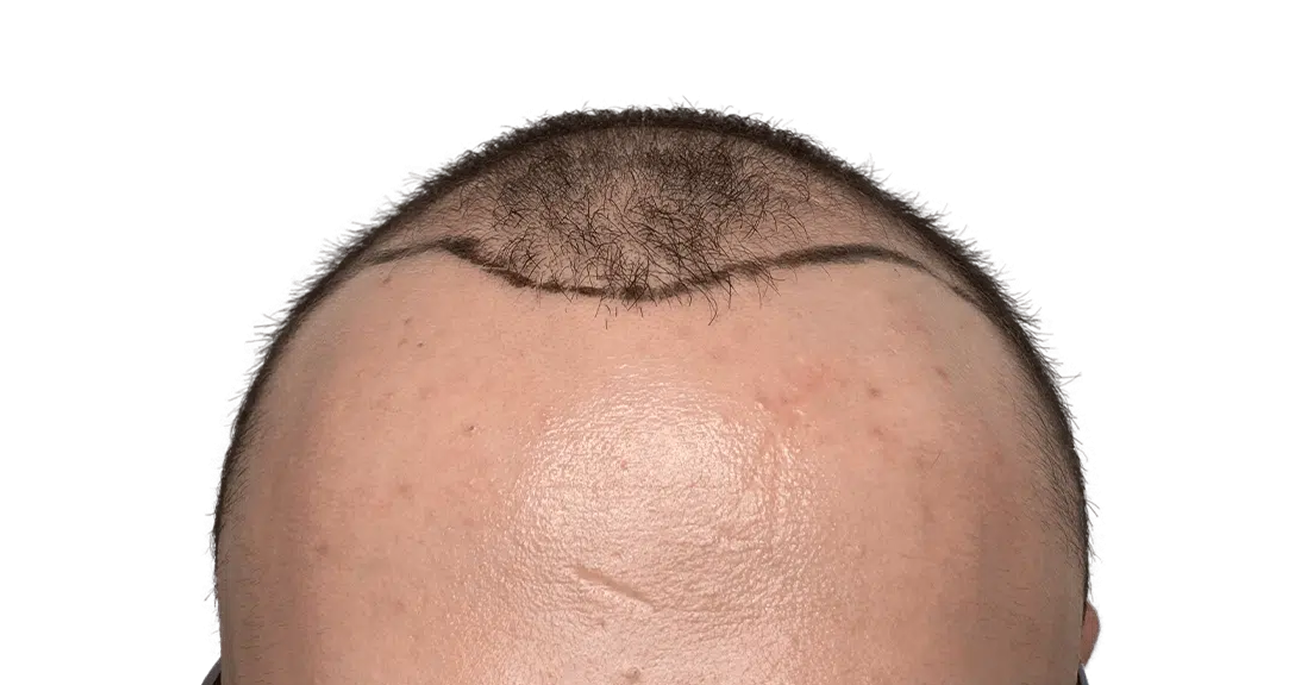
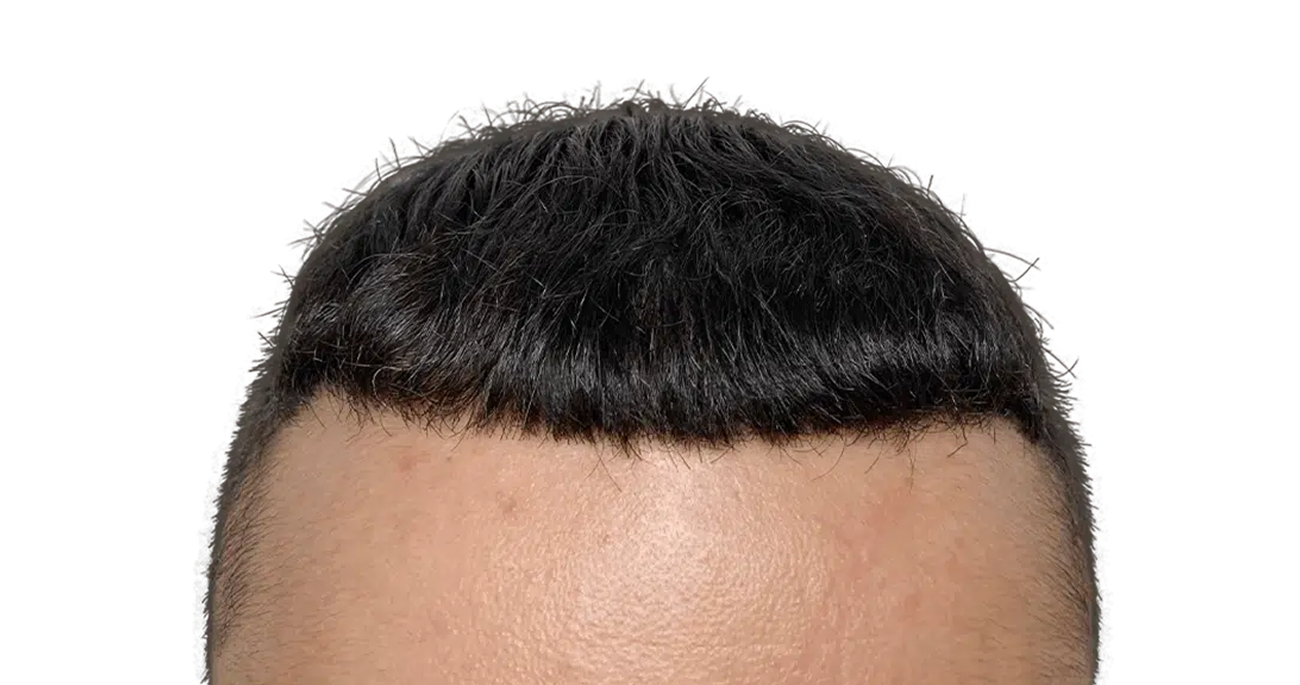
Follicular Unit Extraction or Excision (FUE) is an advanced, minimally invasive hair restoration technique that restores hair without stitches or a long linear scar. Individual hair follicles are gently harvested from the donor area—typically the back or sides of the scalp—and carefully placed into thinning or balding areas to create a fuller, natural hairline.
At Maxim Hair, every patient receives a customized treatment plan designed around their goals, hair type, and lifestyle. Our full suite of advanced FUE techniques ensures natural, long-lasting results:
At Maxim Hair, we combine medical precision with aesthetic artistry to create lasting, natural transformations. Here’s what makes us stand apart:
Physician-led teams perform and oversee every procedure, blending American medical standards with advanced international techniques.
We use precision sapphire blades, micro tools, and chilled preservation to ensure optimal graft survival and minimal trauma.
Proven outcomes backed by experience and expertise
Unlike strip surgery, FUE leaves only tiny dot scars that are virtually undetectable, even with short hairstyles.
Most patients are back to work or social life in just a few days.
Every graft is placed at the correct angle and depth for seamless, authentic growth.
FUE isn’t limited to the scalp; it’s great for beards, mustaches, and eyebrows too.
Transplanted hairs are resistant to the hormones that cause balding and continue to grow naturally for life.
Create finer incisions that heal faster and allow for denser graft placement.
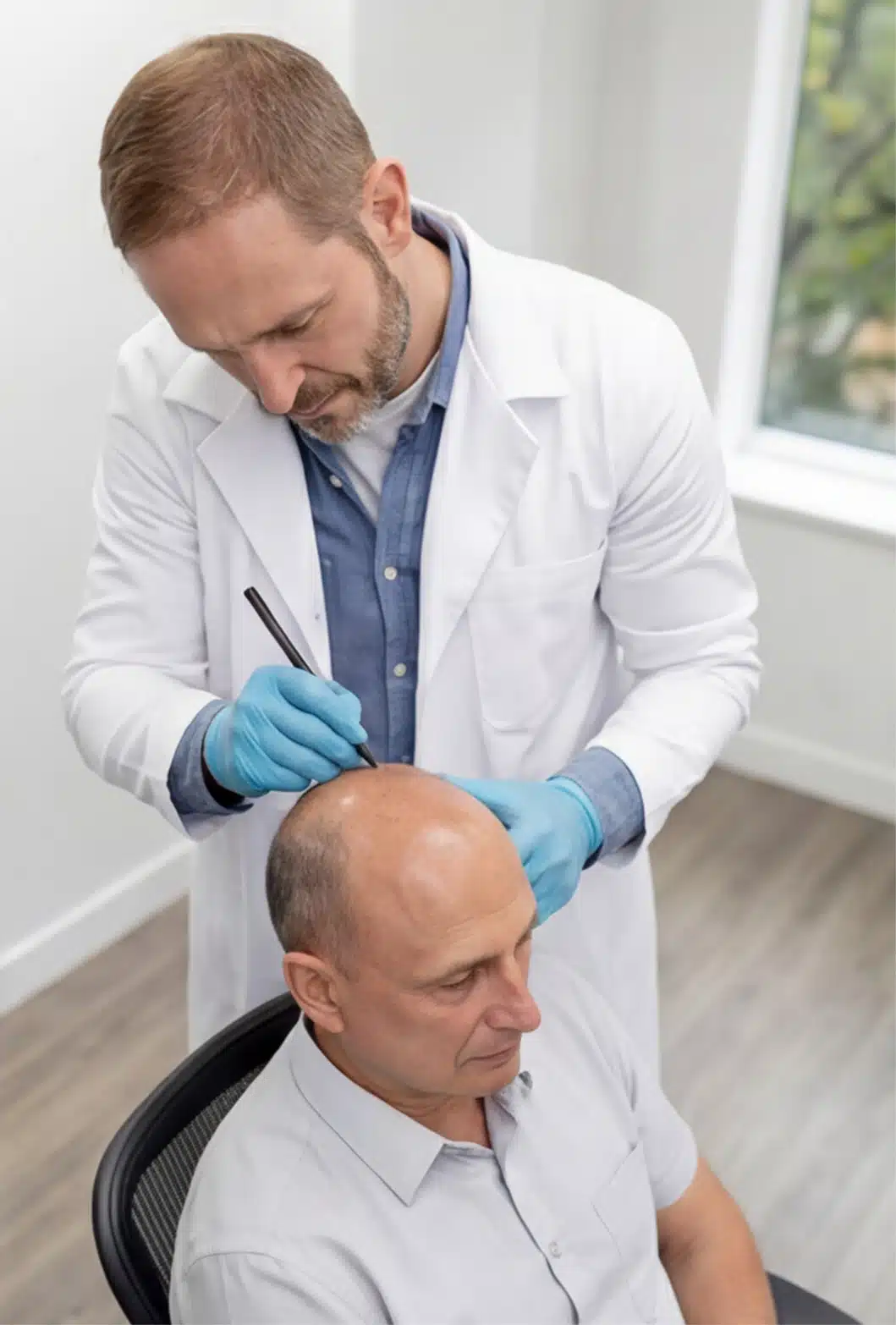
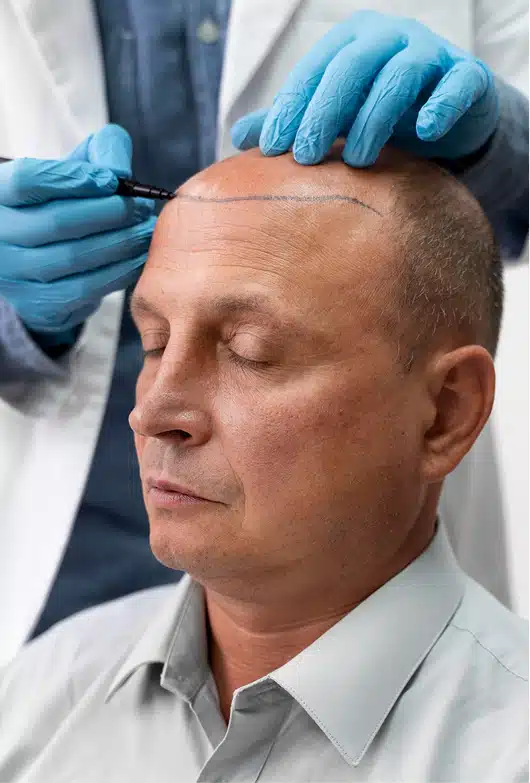
Our surgeons can digitally map and preview your new hairline before surgery, ensuring your results are age-appropriate and natural.
Follicles are stored in a chilled solution until implantation, keeping them healthy and increasing survival rates.
We combine the artistry of manual extraction with advanced tools for precision and high graft yield.
FUE requires surgical skill, anatomical knowledge, and detailed graft handling. At maxim hair restoration, your procedure is performed by physicians who specialize in strip harvesting and donor management.
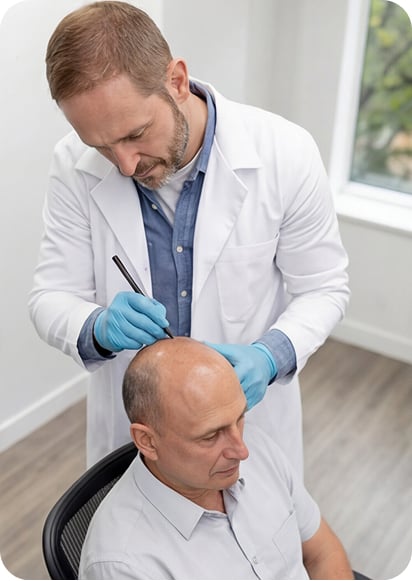
At Maxim Hair Restoration, your FUE procedure is performed by experienced physicians and clinicians who specialize exclusively in hair restoration. Every case is personally overseen by a doctor—not a technician—ensuring medical precision, artistic design, and consistent results. Our doctors handle the anesthesia, extractions, and hairline design, while skilled clinicians assist with graft preparation and placement under close supervision. This teamwork ensures that each follicle is handled with care and every graft is positioned for natural growth. With thousands of successful procedures completed, the Maxim team brings a blend of surgical expertise and artistic vision to every patient—restoring both hair and confidence.
Proper preparation helps ensure smooth healing and optimal growth. Before your procedure, we recommend the following:
Meet one-on-one with our team to review your goals and build a tailored plan.
Avoid alcohol, smoking, and certain medications to promote faster healing.
A clean, healthy scalp sets the stage for the best results. Trimming may be recommended for visibility.
Based on your history, we may recommend simple labs to ensure you’re ready for surgery.
Arrange a ride home and a couple of days to rest. Most patients bounce back quickly.
A little preparation goes a long way in ensuring success
On the day of your procedure, our team guides you through each step. Local anesthesia keeps you comfortable, and follicles are carefully extracted one by one with precision tools that minimize trauma.
Each graft is examined under a microscope before implantation. Our clinician then creates tiny incisions at the perfect angle and depth to mimic natural growth patterns. This artistry is what makes FUE results look seamless and undetectable.
Depending on the size of the case, the procedure lasts 6 to 8 hours. Many patients watch Netflix, listen to music, or even nap while we work. You’ll return home the same day with clear aftercare instructions and only minimal downtime.
A little preparation goes a long way in ensuring success
Mild redness and tiny scabs usually clear up within a week.
Temporary shedding occurs in the first few weeks and is completely normal.
Starts around months 3–4, gradually thickening over time.
Noticeable density by months 6–9.
Full natural results around 12 months, with permanent growth.
It is important to attend your follow-up visits in order to gauge your progress by our doctors/clinicians. Likewise, it is highly recommended to use topical and oral supplements to preserve existing and transplanted hair.
Although FUT is a safe and well-established procedure, it must be performed carefully to avoid preventable issues. Here are common concerns and how we address them:
A closure that is too tight may widen the incision during healing, so surgeons use layered suturing to reduce tension and improve scar quality.
We measure donor density, map the extraction pattern, and plan graft counts responsibly to protect long-term donor health.
Removing too many grafts can thin the donor zone.
Mild irritation may appear as new hairs begin to grow, but this typically resolves with proper aftercare and routine follow-up.
Removing too many grafts can thin the donor zone.
Incorrect planning can create an artificial or uneven appearance, which is why every hairline is customized to match your age, facial structure, and natural growth pattern.
Removing too many grafts can thin the donor zone.
Surrounding hair may temporarily shed after surgery, though gentle techniques and medical therapy help stabilize the area during recovery.
Removing too many grafts can thin the donor zone.
Improper handling can reduce graft survival, making it essential to keep follicles hydrated, chilled, and prepared under high magnification.
Removing too many grafts can thin the donor zone.
Some patients experience reduced sensation around the donor site, which usually fades naturally as the nerves heal.
Rare reactions can occur during anesthesia administration, so the anesthetic plan is tailored to your medical history and monitored closely.
Improper handling can reduce graft survival, making it essential to keep follicles hydrated, chilled, and prepared under high magnification.
Helpful information to guide your hair restoration decisions.