at Maxim Hair Restoration
A sapphire FUE hair transplant is a minimally invasive procedure where individual follicular units are harvested from the donor area and transplanted into areas of thinning or balding. What makes it “sapphire” is not the way the grafts are removed, but the type of blade used to create the recipient sites. Instead of traditional steel blades, sapphire blades—made from medical-grade synthetic sapphire—are used to make the tiny openings where the follicles are placed.
Read More
Every scalp and hair pattern is different. At maxim hair restoration, we adapt sapphire FUE to suit your goals, hair characteristics, and long-term plan.
Sapphire FUE is only as good as the team using it. At maxim hair restoration, our focus is always on safe, natural, and durable hair transplant results.
Our physicians and clinicians are trained in modern FUE and sapphire techniques across multiple regions and hair types. They understand when sapphire FUE is beneficial and when traditional tools may be just as effective.
Sapphire blades can help create uniform incisions, but graft handling, hydration, and placement technique matter just as much. Our team follows strict protocols to protect every follicle from harvest to implantation.
Proven outcomes backed by experience and expertise
The sharp edges of sapphire blades can create very clean, narrow incisions. This may help achieve a more polished, Read More
Because sapphire blades can be manufactured in very fine sizes, they may allow sites to be placed closer Read More
Sapphire blades tend to produce uniform cuts. Consistent depth and shape can be helpful in managing how Read More
Sapphire FUE retains all the standard benefits of FUE: no long linear scar, tiny dot scars in the donor area, and the Read More
When combined with proper FUE harvesting systems, sapphire blades can be used for a variety of hair Read More
We use high-grade synthetic sapphire blades, not natural gemstones. This ensures consistent hardness Read More
Sapphire tools can create narrow “micro-channels” that are matched to the size of your grafts. Read More
Sapphire blades are used alongside advanced FUE harvesting systems. While the sapphire blade Read More
Even sapphire blades dull with repeated use. Our teams rotate blades frequently during surgery to maintain Read More
Sapphire FUE requires the same level of precision and judgment as any advanced hair transplant method. At maxim hair restoration, your procedure is performed by doctors and clinicians experienced in FUE, FUT, and sapphire site creation. They understand that the blade material is one part of a much larger picture.
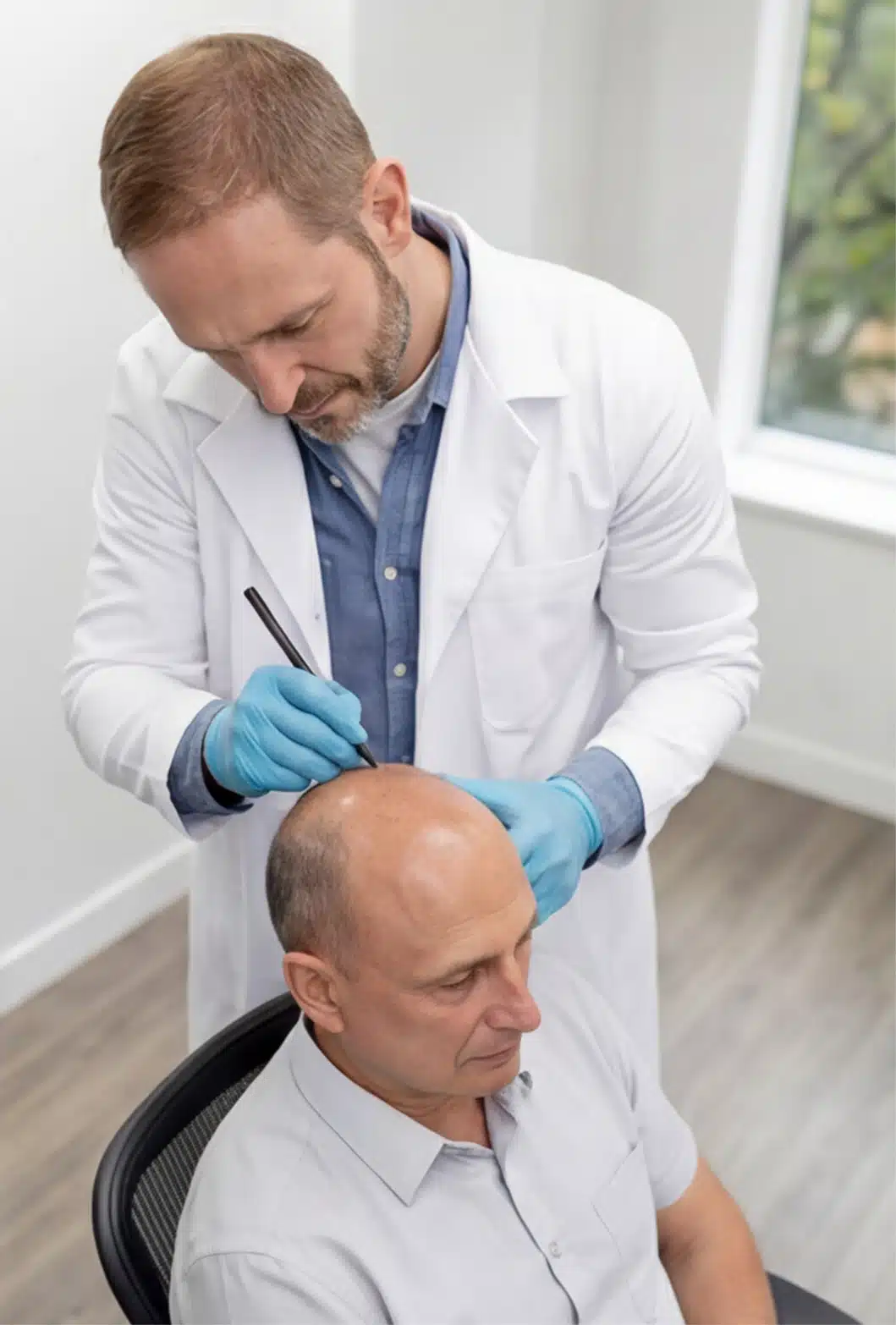
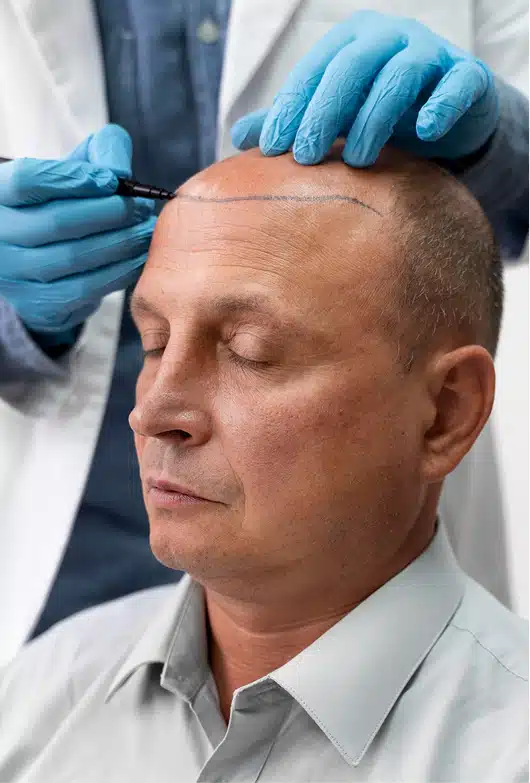
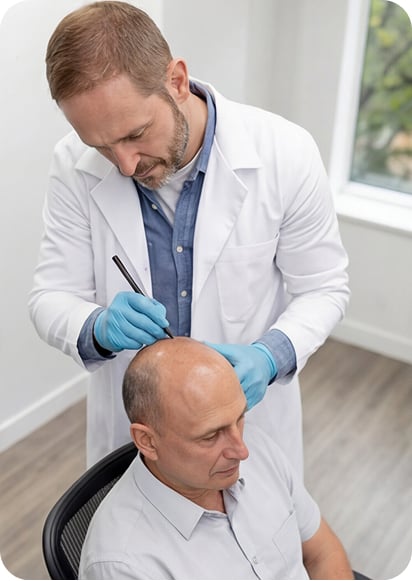
Your physician designs the hairline, plans donor usage, selects the appropriate tools, and manages anesthesia and depth control.
Skilled clinicians assist with graft extraction, preparation, and placement while working under direct medical supervision. This team-based, physician-led model keeps quality and safety at the center of every case.
Good preparation leads to smoother procedures and stronger outcomes. We walk you through each step before your sapphire FUE hair transplant.
We review your goals, assess your donor supply, analyze your hair loss pattern, Read More
You may be asked to avoid certain medications, supplements, alcohol, and Read More
In many cases, we recommend trimming the donor area and sometimes the Read More
Depending on age, medical conditions, or medications, you may need basic Read More
Arrange for transport home on the day of surgery and block out a few days of Read More
A little preparation goes a long way in ensuring success
On the day of your sapphire FUE procedure, you are greeted by the team and your plan is reviewed one more time. Local anesthesia is administered to numb both the donor and recipient areas. Once you are comfortable, follicles are harvested using FUE tools that remove individual follicular units from the donor region.
Meanwhile, or after harvesting, the surgeon uses sapphire blades to create micro-channels in the recipient area based on the hairline and density plan. These incisions are made at specific angles, depths, and directions so that when grafts are placed, the hair grows in a natural pattern.
The grafts are then carefully inserted into these sapphire-created sites. Depending on the size of the session and the number of grafts, the entire process may take 6 to 8 hours or more. You can usually watch movies, listen to music, or rest during the procedure. Short breaks are provided as needed.
A little preparation goes a long way in ensuring success
You may experience mild soreness, tightness, or redness in both donor and Read More
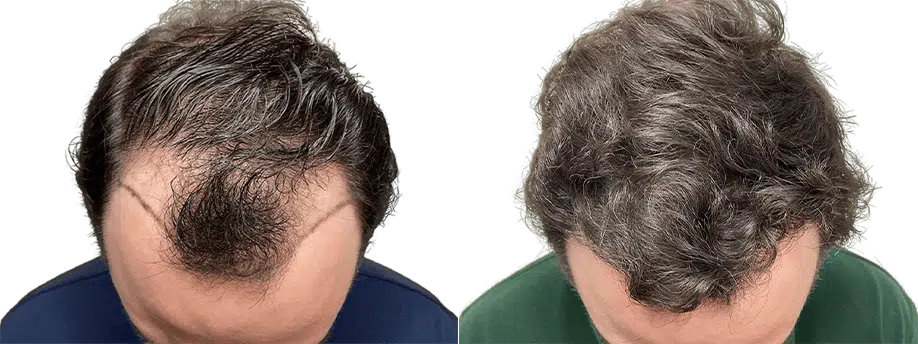
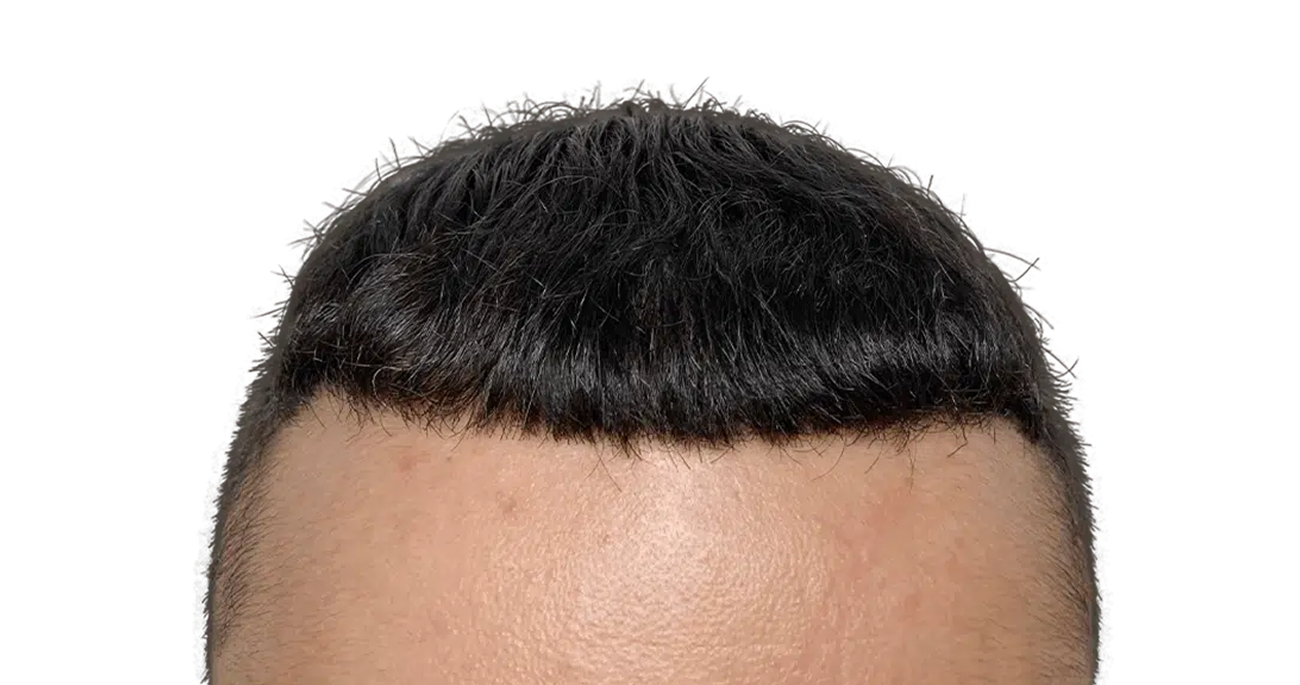
Full results of a sapphire FUE transplant are usually visible around 12 months, with Read More
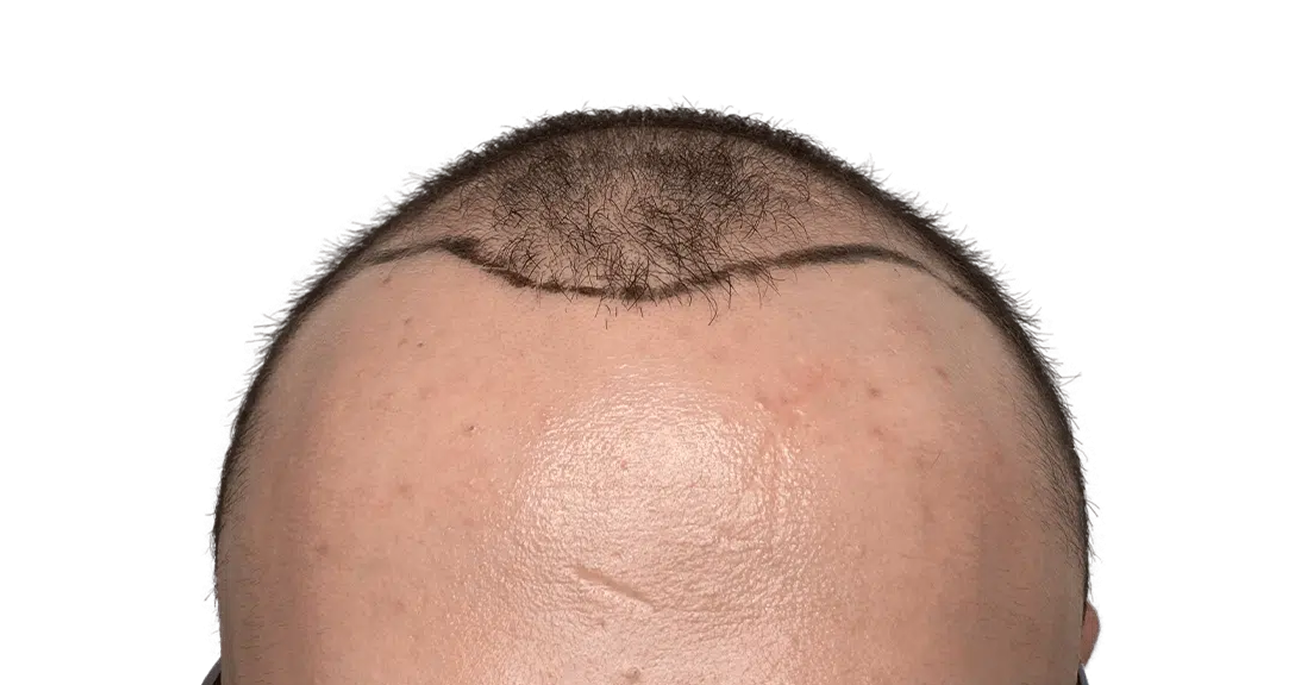
The transplanted hairs typically shed within the first few weeks. This is a normal Read More
Fresh hair usually begins to appear around months three to four. The new Read More
Between six and nine months, most patients see clear improvements in density, Read More
Any hair transplant, including sapphire FUE, carries certain risks if not done correctly. Understanding these issues helps set realistic expectations.
Some clinics oversell sapphire blades as a miracle solution. The reality is that design, donor management, and technique matter far more. Misplaced trust in marketing rather than skill can lead to disappointment.
We measure donor density, map the extraction pattern, and plan graft counts responsibly to protect long-term donor health.
If hairlines are drawn too low or grafts are packed without a natural pattern, results can look artificial. Even with sapphire blades, poor planning leads to poor aesthetics.
We measure donor density, map the extraction pattern, and plan graft counts responsibly to protect long-term donor health.
Depth control and direction still depend on the surgeon’s hand. If grafts are placed too deep, too shallow, or at the wrong angle, they may fail to grow naturally or may look misaligned.
We measure donor density, map the extraction pattern, and plan graft counts responsibly to protect long-term donor health.
Taking too many follicles from the donor zone can cause visible thinning. This risk exists in any FUE procedure, sapphire or not, and must be managed with careful planning.
We measure donor density, map the extraction pattern, and plan graft counts responsibly to protect long-term donor health.
While FUE avoids a long linear scar, poor technique can still leave visible dots or uneven density. Careful tool selection and harvest patterns reduce this risk.
We measure donor density, map the extraction pattern, and plan graft counts responsibly to protect long-term donor health.
If aftercare is ignored or sterility protocols are not followed, infection or ongoing inflammation can occur. Reputable clinics minimize this risk with strict standards and clear instructions.
We measure donor density, map the extraction pattern, and plan graft counts responsibly to protect long-term donor health.
If patients are led to believe that “sapphire” alone guarantees superior results, they may be disappointed even when the outcome is good. Honest consultation helps align expectations with what the procedure can realistically deliver.
We measure donor density, map the extraction pattern, and plan graft counts responsibly to protect long-term donor health.
Helpful information to guide your hair restoration decisions.