Follicular Unit Transplantation (FUT)
at maxim hair restoration
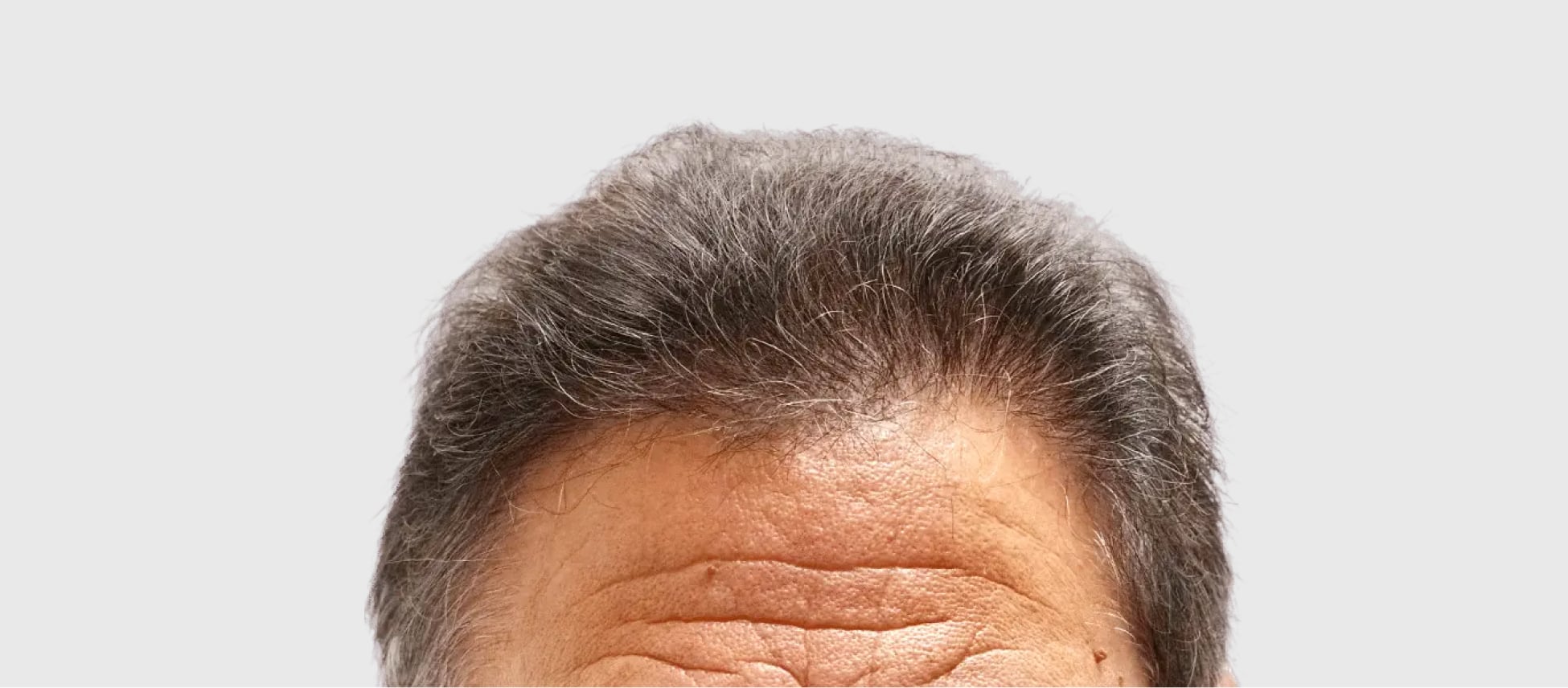
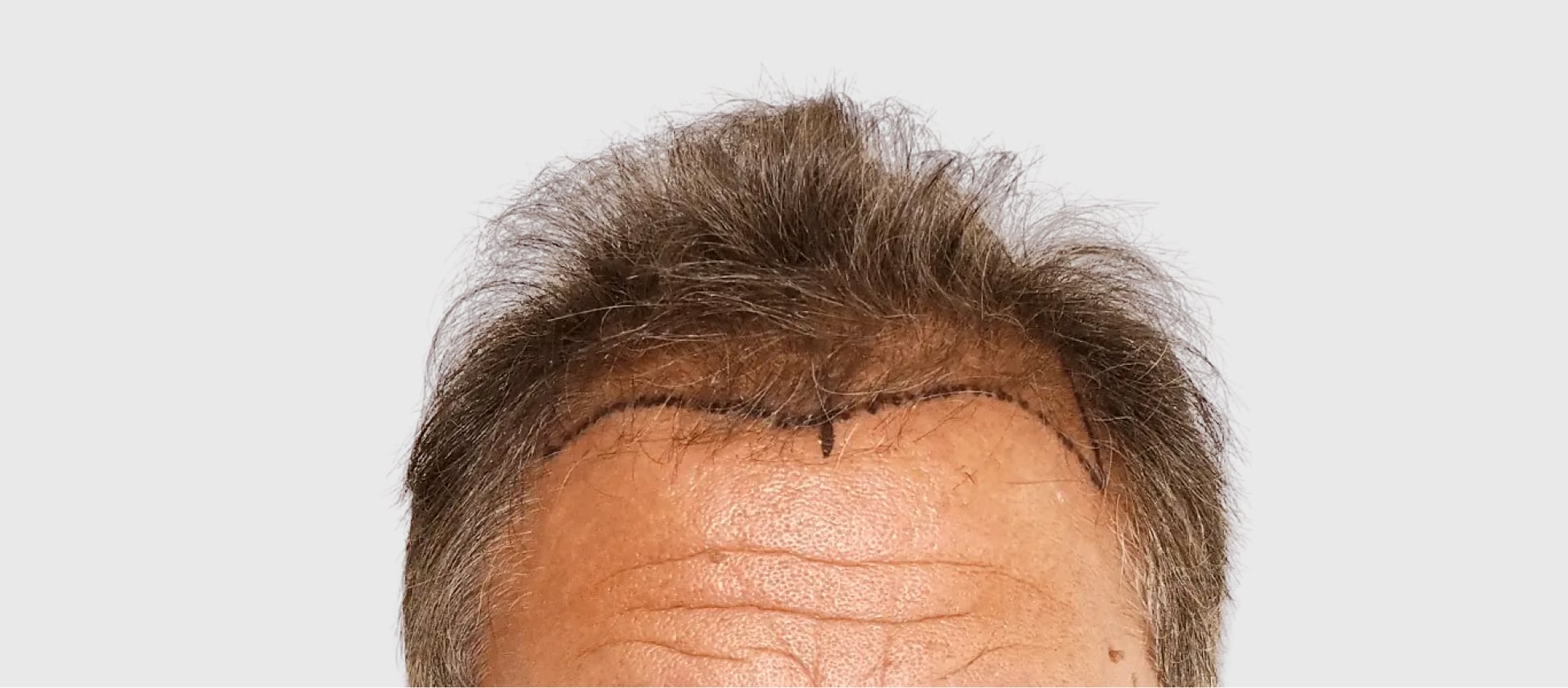
What Is a FUT Hair Transplant?
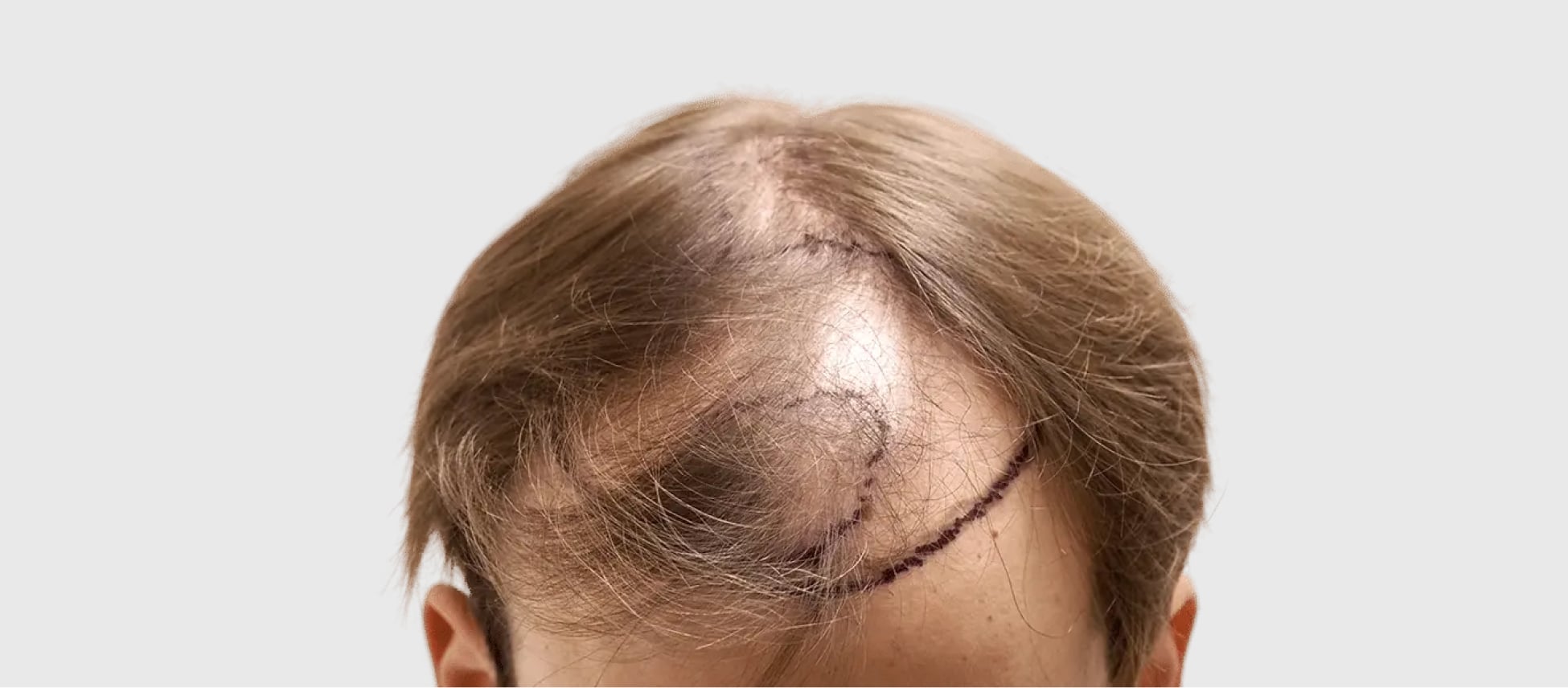
FUT is a surgical hair restoration technique in which a small strip of tissue is carefully removed from the permanent zone—typically the back of the scalp where hair follicles are genetically resistant to thinning. The tissue is then dissected into individual follicular units, each containing one to four hairs. These grafts are refined, sorted, and implanted into areas experiencing thinning or visible balding.
Read More
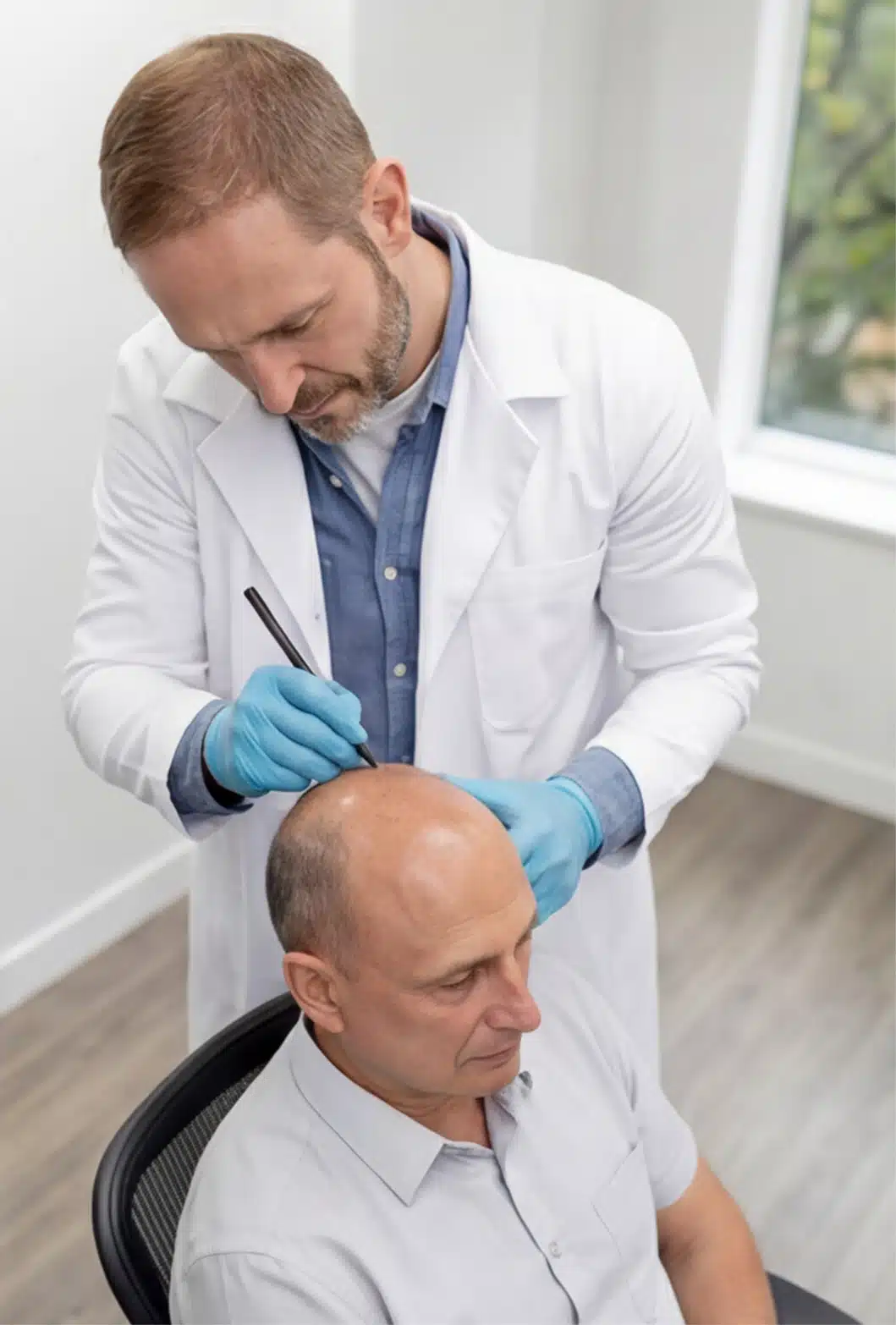
Types of FUT We Offer
Every patient’s hair characteristics and long-term goals are different. At maxim hair restoration, we provide several customized FUT-based approaches so your treatment plan reflects the coverage, density, and refinement you want to achieve.
Why Choose Maxim for FUT Hair Transplant
At Maxim Hair Restoration, FUT is performed by physicians who understand the importance of both surgical accuracy and aesthetic craftsmanship. Patients choose our clinics for several reasons:
Your procedure is led by experienced doctors who specialize in FUT. Our teams draw from American medical standards while blending refined global transplantation techniques that elevate precision and consistency.
Our surgeons use fine, layered closure techniques to limit tension and improve healing. Surrounding hair typically conceals the incision even in the early weeks.
Our Gallery
Proven outcomes backed by experience and expertise
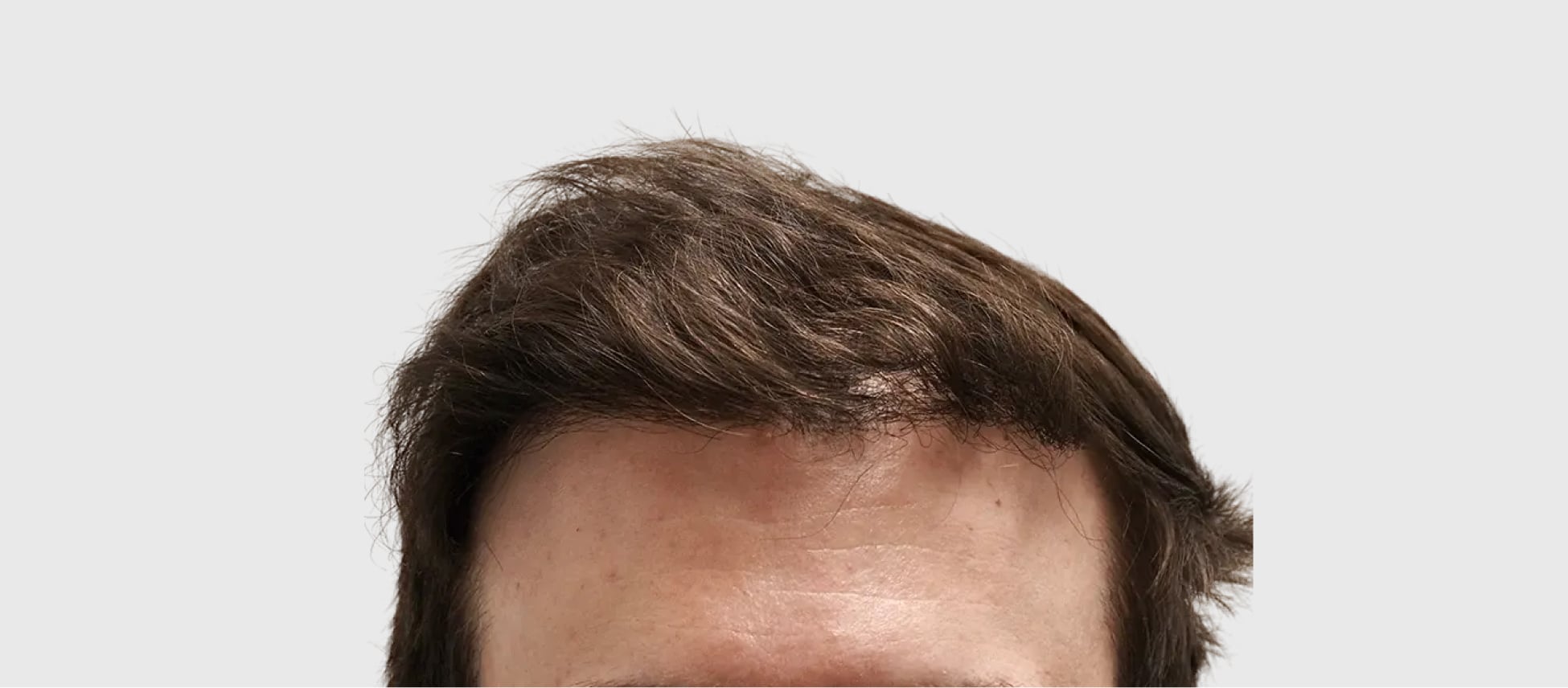
Advantages of FUT

Ideal for Large Graft Sessions
FUT allows surgeons to obtain a large number of grafts without over-extracting the donor area. This makes it well-suited Read More

Strong Graft Integrity
Because follicles remain protected in the harvested tissue before dissection, FUT grafts often have excellent Read More

No Required Shaving of the Donor Area
Most patients appreciate that FUT does not require shaving the entire donor zone. The surrounding hair conceals Read More

Versatility
FUE isn’t limited to the scalp; it’s great for beards, mustaches, and eyebrows too.

Permanent Solution
Transplanted hairs are resistant to the hormones that cause balding and continue to grow naturally for life.
FUT Technologies

Microscopic Graft Dissection
Follicles are refined using high-magnification microscopes. This ensures every graft Read More

Fine-Line Closure Techniques
Surgeons use layered suturing to reduce tension and encourage smooth, minimal scarring that Read More

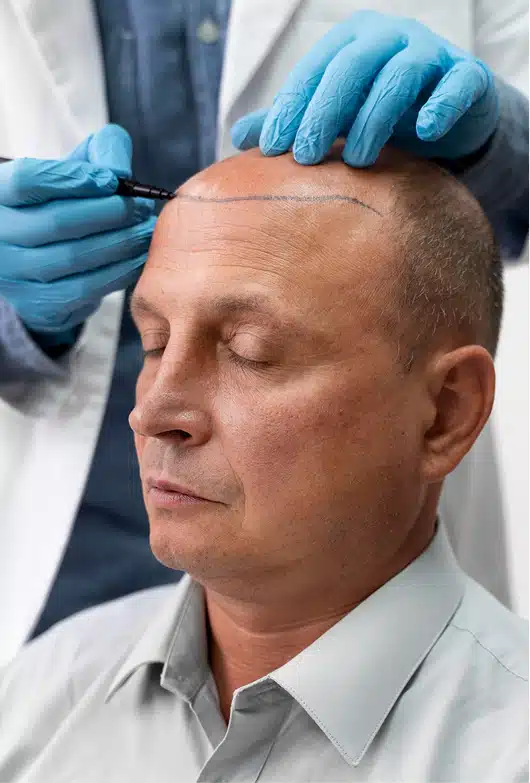
Digital Hairline Mapping
We use digital tools to preview and design an age-appropriate hairline that aligns Read More

Temperature-Controlled Graft Preservation
Harvested follicles are stored in chilled, nutrient-supportive solutions while awaiting Read More
Contact us
Our Specialized FUT Doctors & Clinicians
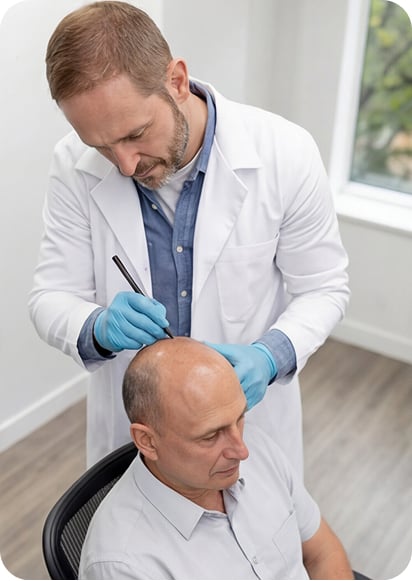
FUT requires surgical skill, anatomical knowledge, and detailed graft handling. At Maxim Hair Restoration, your procedure is performed by physicians who specialize in strip harvesting and donor management.
Each case is overseen directly by a doctor who handles anesthesia, strip removal, suturing, and overall planning. Our trained clinicians participate in graft preparation and implantation under the surgeon’s supervision to maintain consistency and safety.
Read More
Preparing for Your FUT Journey
Proper preparation helps ensure smooth healing and optimal growth. Before your procedure, we recommend the following:

Consultation First
Meet with your physician to review your goals and evaluate your Read More

Pre-Procedure Instructions
Avoid alcohol, smoking, and supplements that may affect bleeding. Read More

Hair & Scalp Prep
Arrive with a clean scalp free of styling products. Your surgeon Read More

Health & Lab
Based on your history, we may recommend simple labs to ensure you’re ready for surgery

Plan for Recovery
Arrange a ride home and a couple of days to rest. Most patients bounce back quickly.
Procedure Details & Duration
A little preparation goes a long way in ensuring success

On the day of your FUT procedure, our team walks you through each step. Local anesthesia is administered to keep you relaxed and comfortable. Once numb, a thin strip of tissue is carefully removed from the donor zone. The incision is closed using refined suturing techniques designed to minimize visibility.

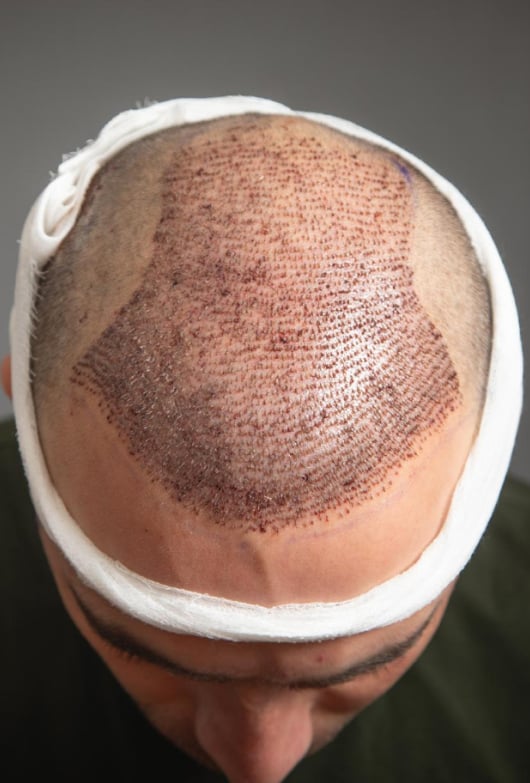
The harvested strip is then passed to our graft dissection team, who prepare each follicular unit under magnification. Simultaneously, the surgeon creates fine incisions in the recipient area to match your natural angle, density goals, and hair flow. Grafts are placed strategically to create soft, natural, and dense results.
Most FUT procedures take 6 to 8 hours depending on graft count, hair texture, and case complexity. Patients often watch movies, listen to music, or take short breaks throughout the day.
Recovery & What to Expect Next
A little preparation goes a long way in ensuring success

Immediate Recovery
Mild tightness and redness around the donor area are normal. Tiny Read More
Shedding Phase
Newly implanted follicles may shed within the first few weeks. This is Read More
New Growth
Fresh hair typically begins emerging around months 3 to 4 and thickens steadily.
Visible Results
By months 6 to 9, patients see meaningful density and shape.
Final Outcome
Full maturation occurs around 12 months, although some patients continue Read More
Your doctor will recommend follow-up visits to monitor progress, adjust treatments, and support long-term hair health.
Frequently Asked Questions
Helpful information to guide your hair restoration decisions.

Blogs
Insights, guides and updates from the world of hair restoration.